
Samsung and SK hynix Memory Inventories Reportedly Fall Below 10 Days as AI Demand Tightens Supply

Samsung Electronics and SK hynix are reportedly carrying less than 10 days of memory inventory as artificial intelligence infrastructure demand continues absorbing global DRAM and NAND supply, raising concerns that 2027 could develop into one of the tightest memory markets the industry has experienced.
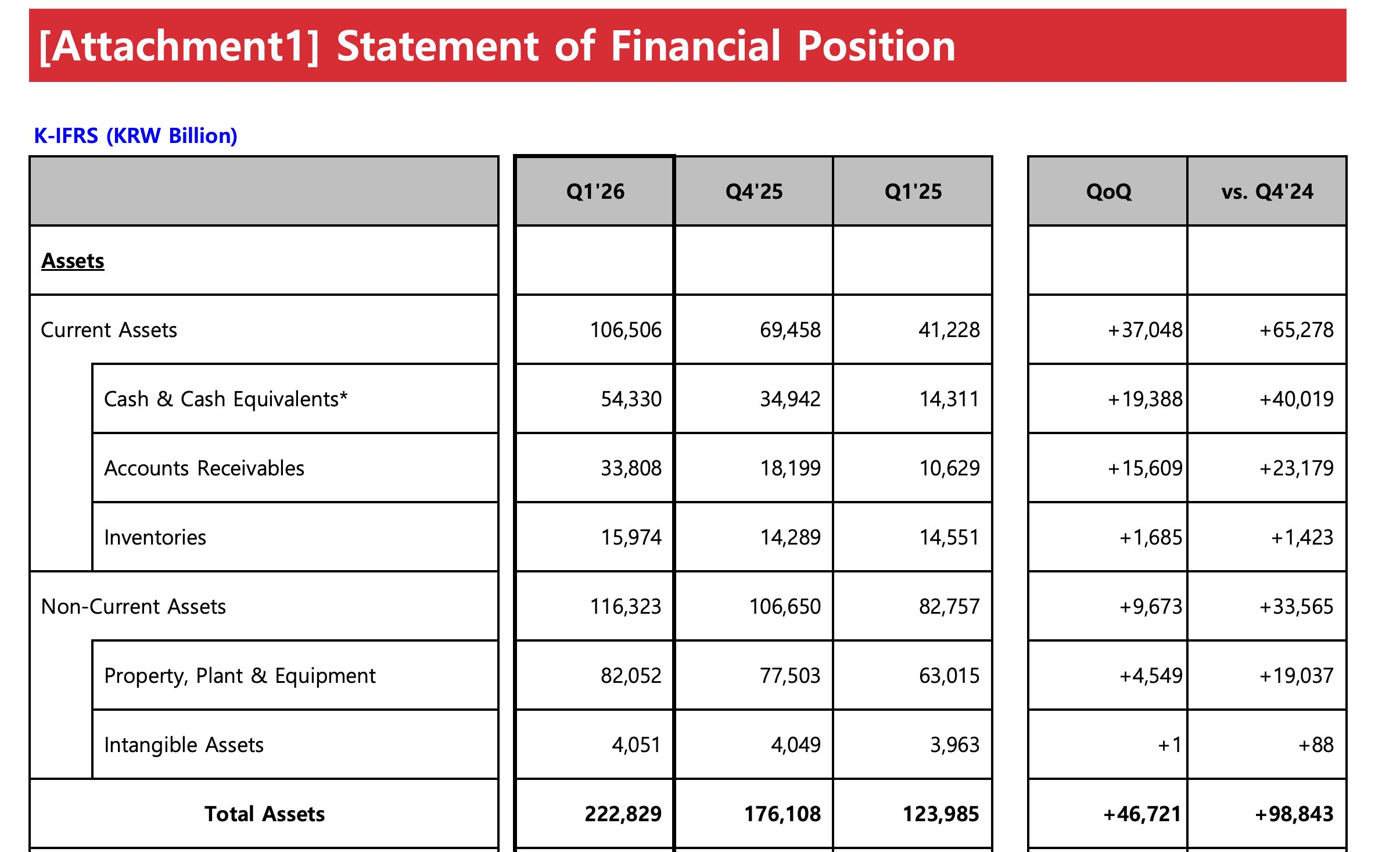
According to analysis from KB Securities reported by Seoul Economic Daily, memory inventories at Samsung and SK hynix had fallen below 10 days of supply during Q3 2026. The figure should be treated as an analyst estimate rather than an official inventory disclosure from either manufacturer. DigiTimes similarly notes that Samsung and SK hynix do not publicly disclose inventory at this level.
KB Securities believes the problem is moving beyond a conventional recovery in memory demand toward a situation where available supply could become insufficient. Global hyperscalers are expected to increase AI infrastructure investment to approximately $1.3 trillion during 2027, representing growth of around 60% compared with 2026. Memory is projected to account for 57% of that spending, up from 40% in 2026 and 14% in 2025. TrendForce reportedly places the potential 2027 share even higher at 68%.
This pressure extends far beyond HBM. AI servers require increasingly large amounts of DDR5 server memory and enterprise SSD storage alongside accelerator memory, placing simultaneous pressure on DRAM and NAND production. KB Securities expects bit demand growth for both DRAM and NAND during 2027 to exceed supply growth by more than 10 percentage points.
HBM4 could make the imbalance even more difficult. High bandwidth memory stacks multiple DRAM dies vertically, requiring considerably more manufacturing resources than conventional DRAM. KB Securities estimates that HBM4 can consume approximately 3 times the wafer capacity required for conventional DRAM. As Samsung and SK hynix increase HBM4 output for AI accelerators, less capacity can remain available for mainstream DDR5 and other traditional memory products.
Samsung is already pushing HBM4 production aggressively, with its 4 nm production lines reportedly reaching full utilization as HBM4 base dies consume between 50% and 60% of available capacity. At the same time, Samsung HBM4 manufacturing yields have reportedly approached 80%, allowing the company to extract more usable HBM4 products from its existing manufacturing resources.
SK hynix has also warned that the problem could become more severe. Chief Executive Kwak Noh jung previously said 2027 could become the memory industry's worst year from a supply perspective, with customer demand potentially remaining above the company's production capacity beyond 2030.
The shortage is already spreading through the wider hardware market. Korean DRAM export values have risen sharply, while independent memory manufacturers are warning that securing allocation could become a larger problem than simply paying higher prices. Apacer has warned that DRAM allocations to module manufacturers could fall substantially during 2027 as server and AI customers consume a growing share of available production.
Less than 10 days of estimated inventory does not mean Samsung or SK hynix are about to completely run out of memory. It does, however, indicate how little buffer may remain between production and customer demand.
The bigger concern is structural. HBM4, server DDR5 and enterprise SSD demand are all growing at the same time, while semiconductor capacity cannot expand at the speed hyperscalers can approve new AI infrastructure spending. If KB Securities is correct, 2027 may shift the memory industry's biggest problem from pricing to physical availability.
For PC builders and gamers, that means DDR5, graphics cards, laptops, handheld systems and SSDs could continue facing elevated component costs even while manufacturers generate record memory revenue.
Could 2027 become the worst memory shortage yet, or will new production capacity and Chinese DRAM expansion arrive quickly enough to ease the pressure?
