
Samsung HBM4 Yield Reportedly Reaches 80% as AI Memory Production Accelerates
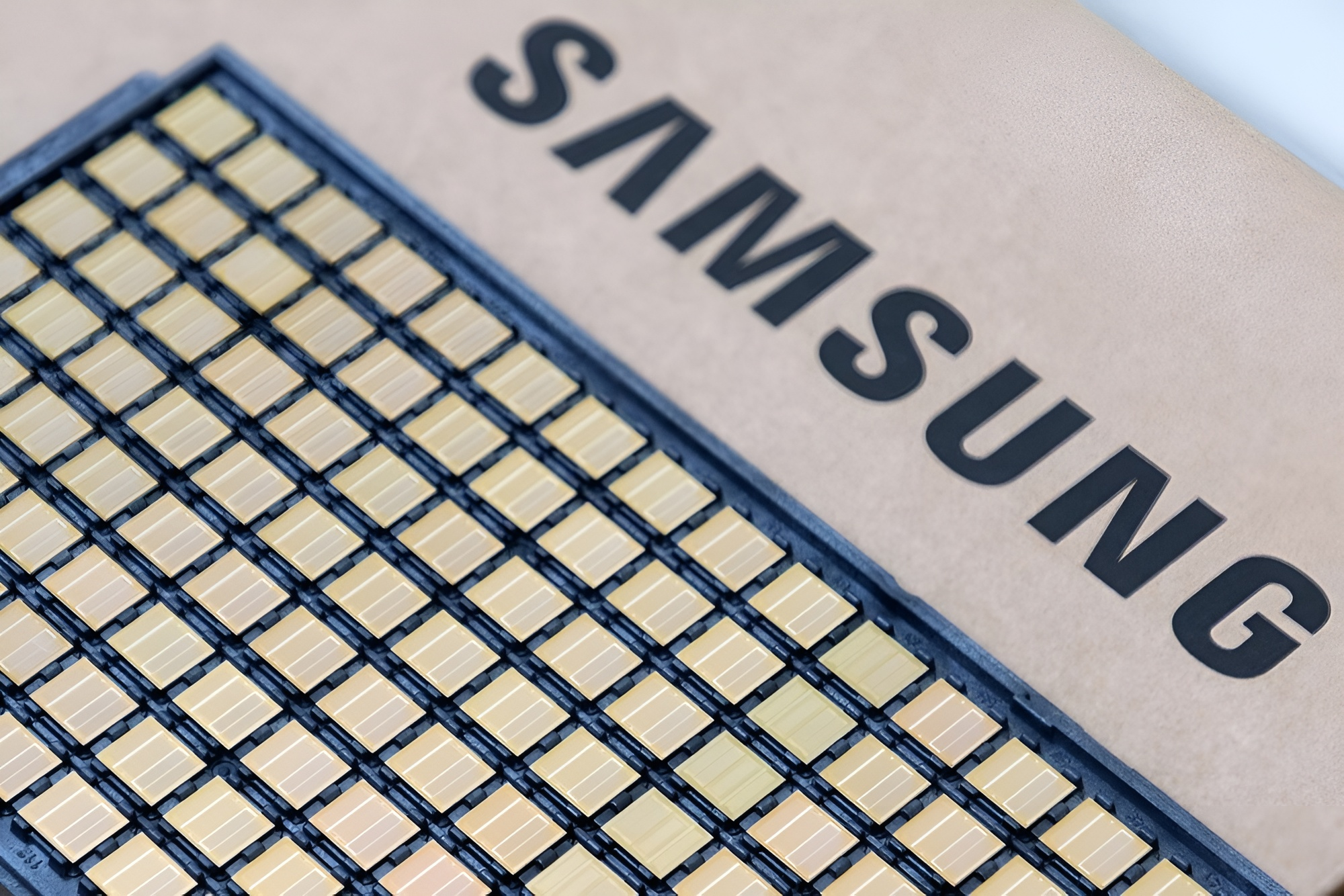
Samsung Electronics has reportedly pushed the production yield of its HBM4 memory close to 80%, marking a major improvement only around 6 months after entering mass production. According to Seoul Economic Daily, Samsung's HBM4 yield was below 60% when production began in February 2026 but has now approached the 80% level considered an important manufacturing milestone for large scale semiconductor production. The improvement gives Samsung significantly more usable HBM4 output from its existing production capacity and strengthens its ability to respond to rapidly expanding demand from artificial intelligence accelerators and hyperscale data centers.
Samsung officially began commercial production and shipment of HBM4 in February 2026. Its current design combines sixth generation 10 nm class 1c DRAM with a 4 nm logic base die and 12 layer stacking, offering capacities between 24 GB and 36 GB. The memory operates at a consistent 11.7 Gbps per pin and can scale to 13 Gbps, providing up to 3.3 TB/s of bandwidth from a single stack. Samsung says the architecture also improves power efficiency by 40%, thermal resistance by 10%, and heat dissipation by 30% compared with HBM3E.
The rapid yield improvement is particularly important because HBM manufacturing is considerably more complex than conventional DRAM production. Multiple memory dies must be manufactured, tested, thinned, stacked, interconnected, and packaged together with a logic base die, meaning defects at several stages can reduce the number of final products suitable for customers. Moving from below 60% toward approximately 80% therefore allows Samsung to extract substantially more commercial HBM4 output from the same manufacturing infrastructure while reducing the effective cost associated with unsuccessful stacks. Samsung has previously highlighted the integration of its Memory, Foundry, and advanced packaging operations as an advantage for optimizing quality, production cycles, and manufacturing yield.
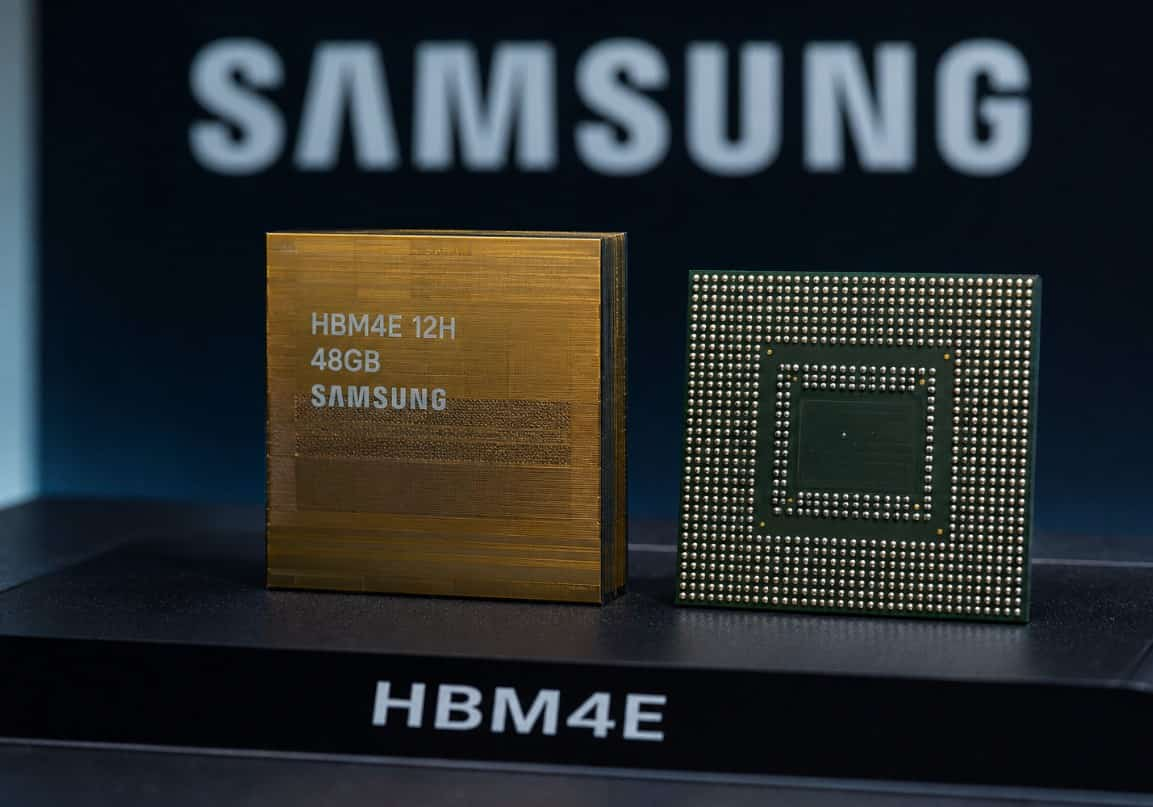
The company is already preparing the next stage. Reports indicate that HBM4E reliability testing yield has exceeded 70%, potentially allowing Samsung to accelerate its production schedule. Samsung began shipping HBM4E samples to major customers in May. The 12 layer HBM4E design provides 48 GB per stack with a stable operating speed of 14 Gbps and scalability to 16 Gbps, while delivering as much as 3.6 TB/s of bandwidth. Samsung also plans 32 GB 8 layer and 64 GB 16 layer configurations according to customer requirements.
Samsung is also preparing to dramatically increase the commercial importance of HBM4 during the second half of 2026. The company has indicated that third quarter HBM4 revenue is expected to increase more than 3 times compared with the second quarter, while HBM4 is expected to represent more than 60% of Samsung's total HBM revenue during the second half of the year. Improved yields will be critical for delivering that increase without requiring equivalent growth in wafer starts and packaging capacity.
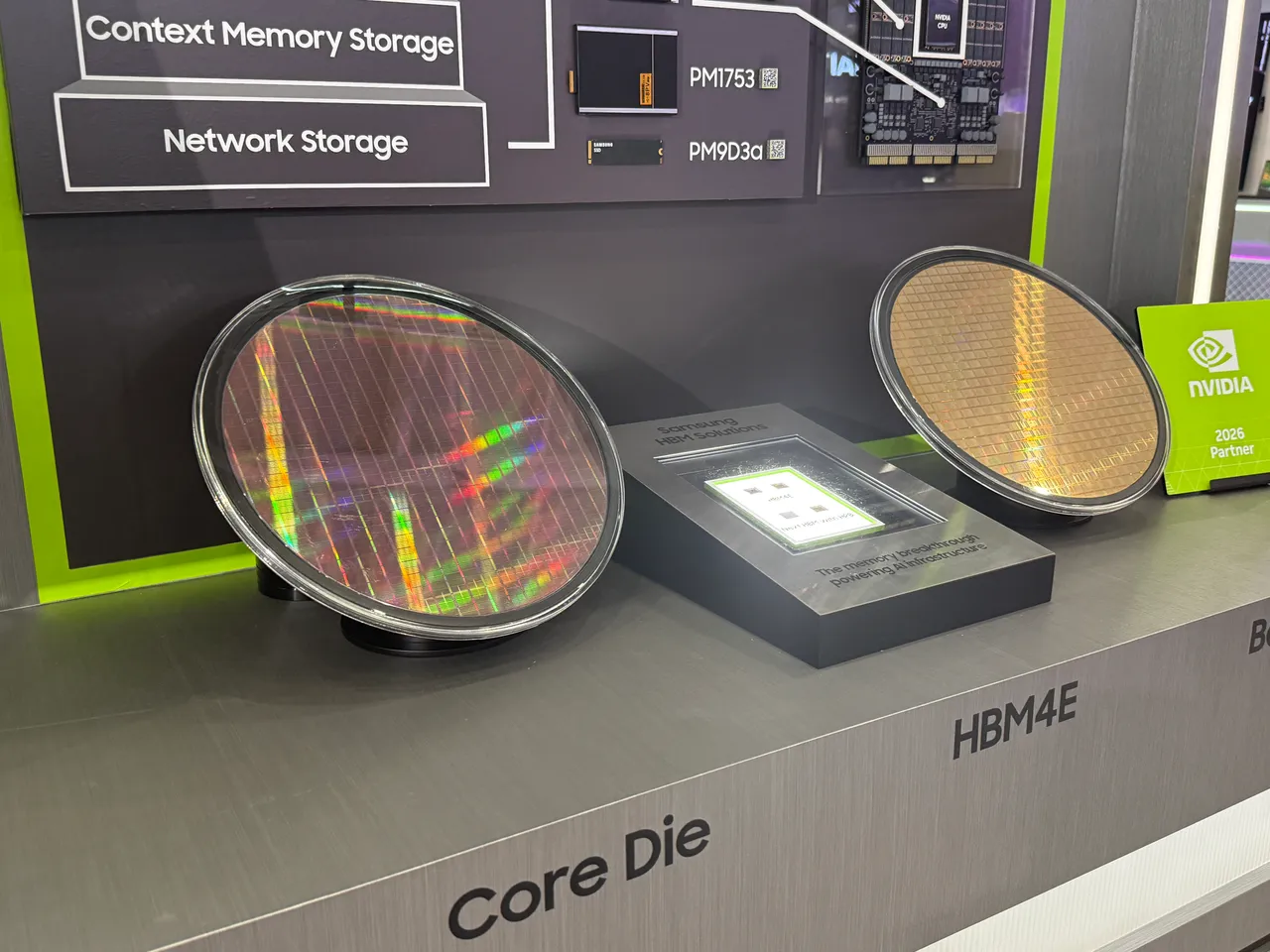
Longer term, packaging will become another major part of the competition. Samsung is already developing hybrid bonding technology for future HBM generations, particularly as memory stacks move toward 16 layers and custom HBM becomes more tightly integrated with future AI accelerators. However, conventional production methods remain highly competitive for HBM4 and HBM4E, making improvements in current manufacturing yield extremely valuable before the industry transitions toward more complex bonding technologies.
Reaching approximately 80% yield matters because HBM leadership is increasingly becoming a manufacturing competition rather than simply a specification contest. Samsung already has HBM4 capable of 13 Gbps and 3.3 TB/s per stack, but producing that memory consistently and economically at massive scale is what determines how much business the company can realistically capture.
The improvement from below 60% to around 80% in roughly 6 months suggests Samsung has stabilized HBM4 manufacturing much faster than its earlier HBM generations. With HBM4E already reportedly above 70% during reliability testing, Samsung now has an opportunity to carry those manufacturing improvements directly into the next generation while AI infrastructure continues consuming unprecedented quantities of advanced memory.
Could Samsung's rapidly improving HBM4 yields change the balance of the AI memory market, or will production capacity remain the bigger constraint?
