
Apacer Warns DRAM Allocations to Module Makers Could Collapse 70% in 2027
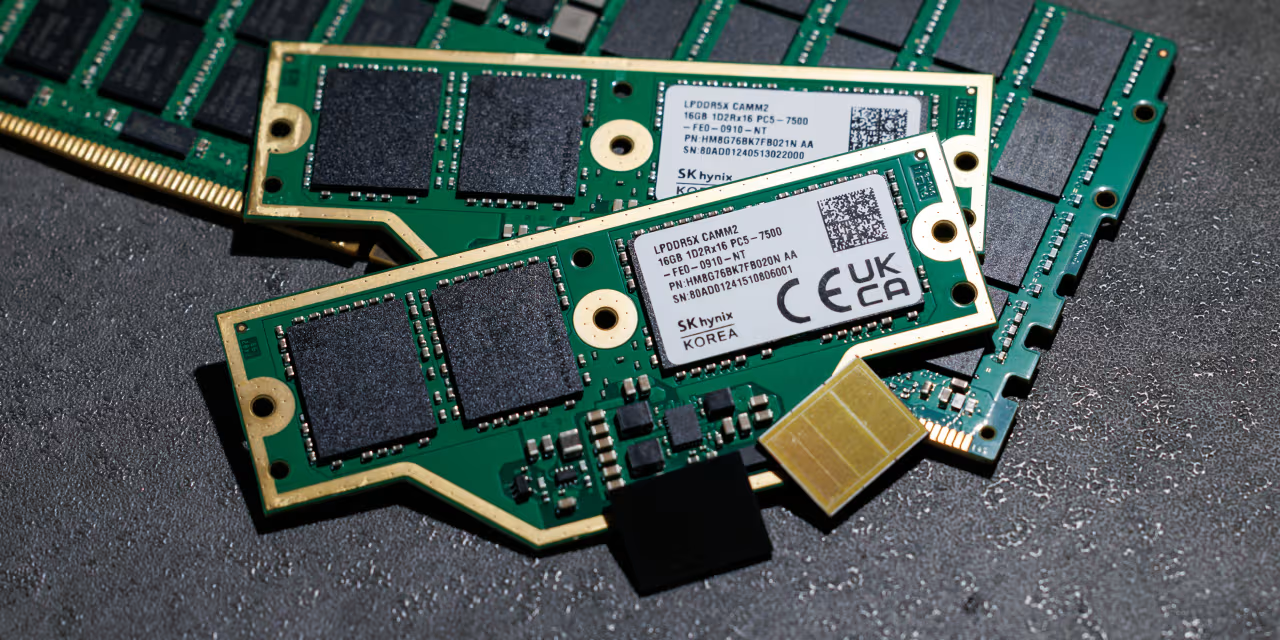
Apacer Chief Executive C.K. Chang has warned that major DRAM manufacturers could allocate independent memory module companies only around 30% of the volume supplied during 2026 when contracts move into 2027. The projection would represent a decline of more than 70% for downstream companies such as Apacer, although it does not mean worldwide DRAM production will fall by the same amount. Chang discussed the outlook during the company’s July 24 earnings conference.
The distinction is important because Apacer purchases DRAM components from major manufacturers and converts them into completed memory products for industrial systems, computers, embedded platforms, and consumer devices. Samsung, SK hynix, and Micron are increasingly directing production toward High Bandwidth Memory, server DRAM, and products reserved through large contracts with artificial intelligence and cloud infrastructure customers. Chang estimates that approximately 60% of current DRAM capacity is now serving server related applications, leaving independent module manufacturers competing for a significantly smaller allocation.
Demand for DDR5 RDIMM has become particularly aggressive as hyperscalers, artificial intelligence developers, and enterprise customers deploy servers with increasingly larger memory capacities. HBM also consumes more wafer and packaging resources than conventional DRAM, meaning rising HBM production can restrict the supply available for desktop DDR5, notebook memory, smartphones, gaming hardware, and industrial systems even when overall wafer output increases.
Apacer believes the primary operational risk has shifted from paying excessive prices to failing to obtain enough components to maintain production. The company increased its memory inventory from NT$8.38 billion to NT$12.4 billion by the end of June, representing growth of approximately 48%. Apacer is also arranging a syndicated loan of up to NT$4 billion to support additional component purchases and other corporate requirements.
Chang expects DRAM contract prices to rise by approximately 30% during Q3 2026, while NAND Flash could increase by more than 20%. The rate of price growth may slow during Q4 as consumer demand weakens under higher retail costs, but lower demand does not necessarily resolve the supply imbalance when manufacturers continue prioritizing artificial intelligence and enterprise customers.
The warning closely follows comments from SK hynix Chief Executive Kwak Noh Jung, who expects 2027 to become the most difficult supply year in the memory industry’s history. Kwak also believes customer demand could remain above SK hynix production capacity beyond 2030 despite continued investment in new factories and equipment.
"We forecast that next year will be the worst year in the industry’s history from the supply perspective."
— Quote by: Kwak Noh Jung
The broader supply outlook was previously examined through SK hynix’s warning about the 2027 memory shortage. Additional wafer capacity is expected to enter production, but a substantial portion could immediately be consumed by HBM and server products instead of increasing the availability of conventional DRAM for gaming PCs, notebooks, consoles, and other consumer electronics.
Chinese suppliers such as CXMT could eventually provide additional DDR5 capacity, but Apacer does not expect an immediate solution. Production volume, manufacturing yield, platform validation, international availability, and strong domestic Chinese demand could limit how much supply reaches global module manufacturers during 2027.
The 70% figure should not be interpreted as a prediction that global DRAM output will collapse. It is an allocation warning showing how little supply independent module companies may receive after manufacturers satisfy HBM, server, hyperscale, and direct contract customers.
That scenario could create a divided memory market. Large technology companies with multiyear agreements would receive priority, while smaller module brands, system integrators, industrial customers, and PC manufacturers compete for the remaining components at significantly higher prices.
For gamers and PC builders, the result could include more expensive DDR5 kits, reduced default memory capacities, fewer affordable high performance modules, and higher prices across graphics cards, consoles, notebooks, and handheld systems. The biggest risk in 2027 may no longer be finding memory at a reasonable price, but finding qualified components in sufficient volume.
Could the memory shortage force PC and gaming hardware manufacturers to reduce system specifications during 2027?
