
CXMT LPDDR6 Reaches 12.8 Gbps as Mass Production Moves Closer
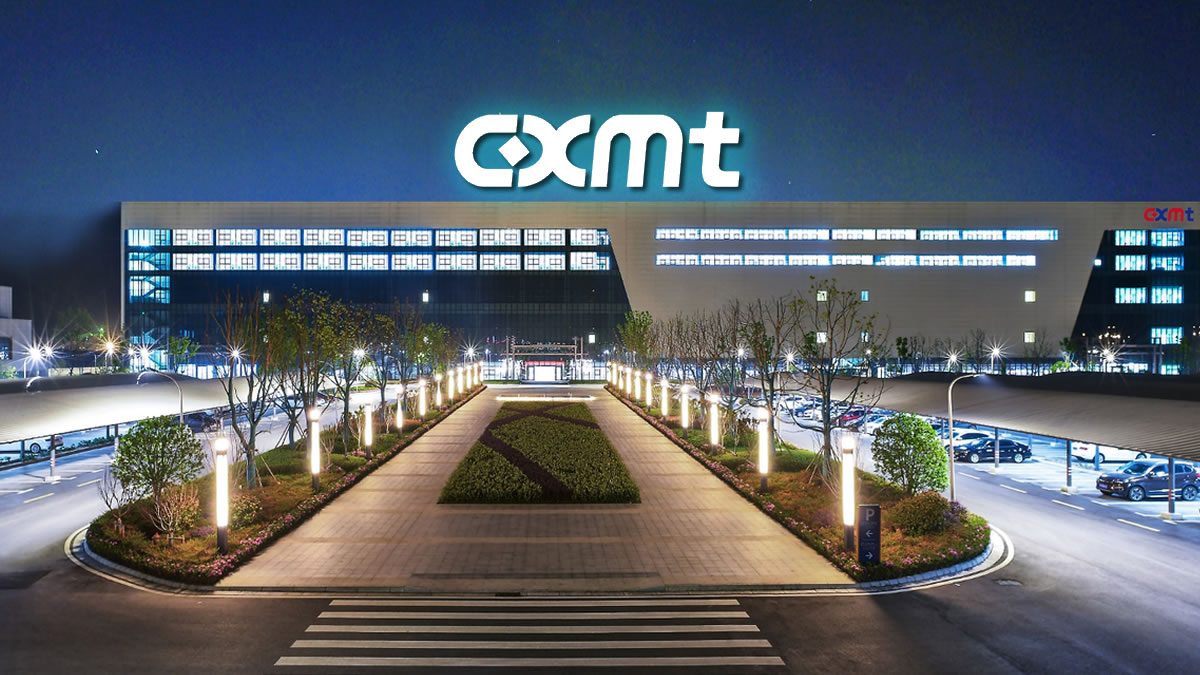
ChangXin Memory Technologies has reportedly reached an important development milestone with its first LPDDR6 memory, bringing China’s largest domestic DRAM manufacturer closer to mass production of next generation low power memory. The reported chips are designed to reach 12.8 Gbps, placing CXMT above the introductory operating speed of the first LPDDR6 products announced by several established memory manufacturers.
According to information published by Chinese technology outlet Pandaily, CXMT is nearing completion of the research and development verification stage for its LPDDR6 design. This follows initial single chip verification and represents the second major step in a reported 4 stage process leading toward commercial production.
The next stage would involve small batch import verification, during which CXMT would test limited production runs, refine manufacturing equipment, evaluate yields, and prepare the process for larger commercial volumes. Although previous reports have suggested that CXMT wants to begin LPDDR6 mass production during the second half of 2026, neither the production schedule nor the latest verification milestone has been officially confirmed by the company.
| CXMT LPDDR6 Detail | Reported Specification |
|---|---|
| Design Transfer Speed | 12.8 Gbps |
| Base Operating Speed | 10.667 Gbps |
| DRAM Density | 16 Gb |
| Package | 1295 ball POP |
| Current Development Stage | Research and development verification nearing completion |
| Next Development Stage | Small batch import verification |
| Reported Production Target | Second half of 2026 |
| Official CXMT Confirmation | Not currently available |
The reported 12.8 Gbps design speed places CXMT within the upper portion of the first LPDDR6 generation, although it remains below the maximum 14.4 Gbps speed supported by the JEDEC JESD209 6 standard. JEDEC published the initial LPDDR6 specification in July 2025 with introductory transfer rates beginning at approximately 10.667 Gbps and an eventual standard ceiling of 14.4 Gbps.
| Manufacturer or Standard | LPDDR6 Status | Reported Speed | Density |
|---|---|---|---|
| CXMT | Research verification reportedly nearing completion | 12.8 Gbps design speed | 16 Gb |
| SK hynix | Development validation completed, with production planned for the second half of 2026 | More than 10.7 Gbps | 16 Gb |
| Micron | Samples supplied to major customers and ecosystem partners | Not publicly specified | 16 Gb |
| JEDEC LPDDR6 Standard | Published as JESD209-6 | Up to 14.4 Gbps | Depends on manufacturer implementation |
SK hynix officially announced its first 16 Gb LPDDR6 chip in March 2026. The product uses the company’s sixth generation 10 nanometer class process and operates at more than 10.7 Gbps, delivering a claimed 33% performance improvement and more than 20% greater power efficiency compared with its previous LPDDR5X generation. SK hynix plans to begin supplying the product during the second half of 2026.
Micron began sampling its own 16 Gb LPDDR6 product to major device manufacturers and ecosystem partners during fiscal Q1 2026. The company expects LPDDR6 to provide more than 50% additional performance compared with earlier low power memory while supporting artificial intelligence smartphones, premium notebooks, edge computing systems, and other power sensitive platforms.
CXMT has already demonstrated LPDDR5X products reaching 10.667 Gbps in 12 Gb and 16 Gb densities, alongside DDR5 chips operating at up to 8000 MT/s. Moving from these products into LPDDR6 at 12.8 Gbps would represent a significant technical progression, particularly as the company continues operating under restrictions affecting access to advanced semiconductor manufacturing equipment.
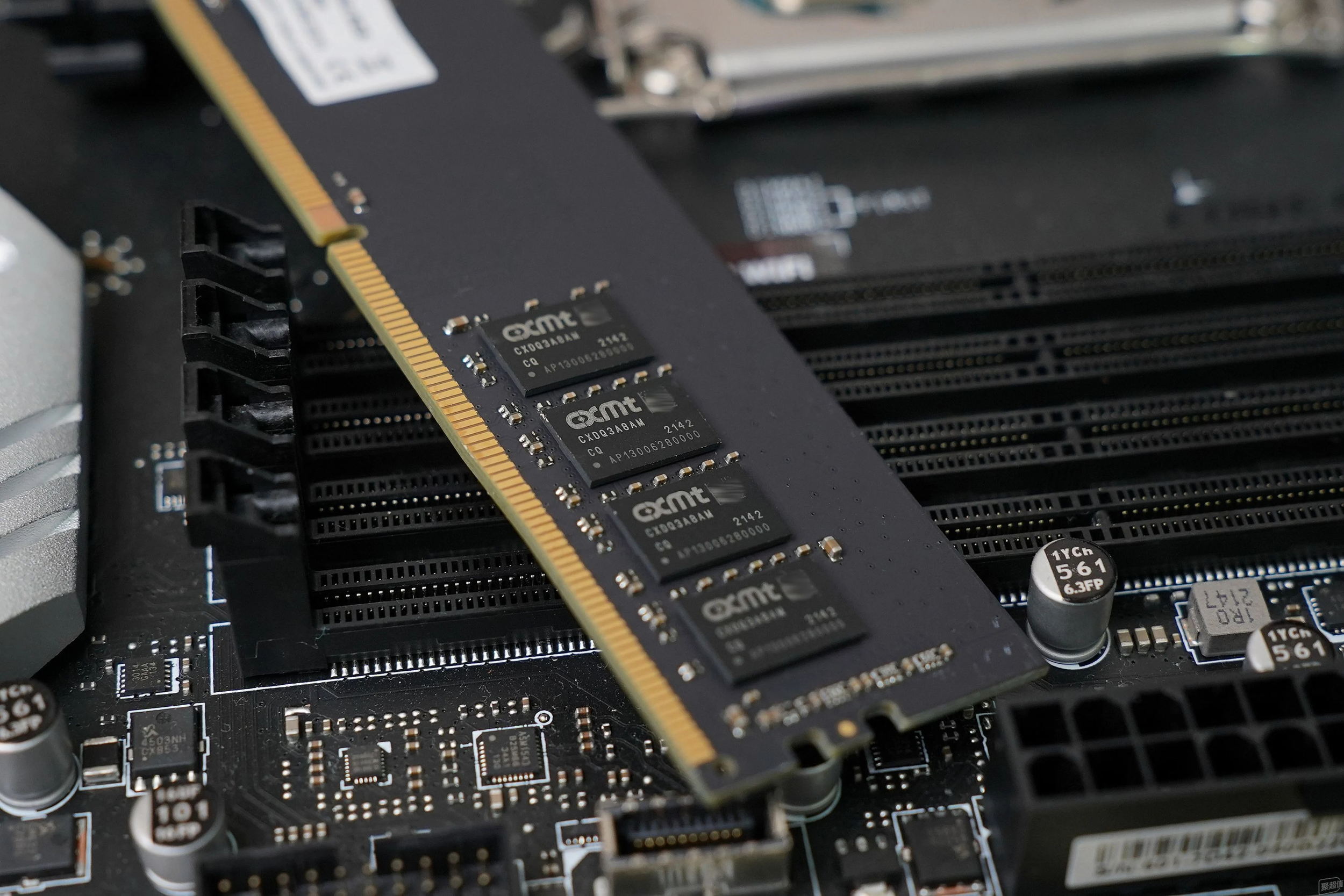
The development follows CXMT’s 8.6 billion$ public offering, which provides additional funding for DRAM capacity, advanced process development, LPDDR products, DDR5 expansion, and future High Bandwidth Memory programs. CXMT has also started appearing more visibly in international consumer hardware, including a Corsair DDR5 module reportedly using CXMT DRAM.
LPDDR6 is also expanding beyond smartphones and thin notebooks. The technology is being developed for artificial intelligence servers, automotive systems, high performance edge devices, and future modular memory formats. JEDEC is already extending the standard toward higher capacity SOCAMM2 modules, Processing in Memory capabilities, and data center configurations that could eventually reach 512 GB per module. LPDDR6 SOCAMM2 development could make low power DRAM increasingly important alongside DDR5 RDIMM, MRDIMM, and HBM.
CXMT reaching research verification with a reported 12.8 Gbps LPDDR6 design would be an important milestone, but development validation is not equivalent to competitive mass production. The company must still demonstrate stable yields, consistent quality, customer qualification, manufacturing scale, and reliable delivery before it can challenge Samsung, SK hynix, or Micron in premium mobile devices.
The reported speed is still notable. CXMT would not merely be introducing an entry level LPDDR6 product at 10.667 Gbps. A 12.8 Gbps design would place it closer to the upper limit of the current JEDEC standard and could make the company a serious option for Chinese smartphone, notebook, automotive, and artificial intelligence hardware manufacturers.
The greatest uncertainty is timing. Reaching small batch verification and then stable mass production within the second half of 2026 would require an aggressive manufacturing transition. Until CXMT publishes official specifications or customers confirm product qualification, the production schedule should remain treated as a target rather than a completed commitment.
Could CXMT become a genuine fourth competitor in advanced mobile memory, or will manufacturing scale and yield continue protecting Samsung, SK hynix, and Micron?
