
Chinese DRAM Enters Global Memory Modules As Corsair DDR5 Kit Is Spotted With CXMT Chips
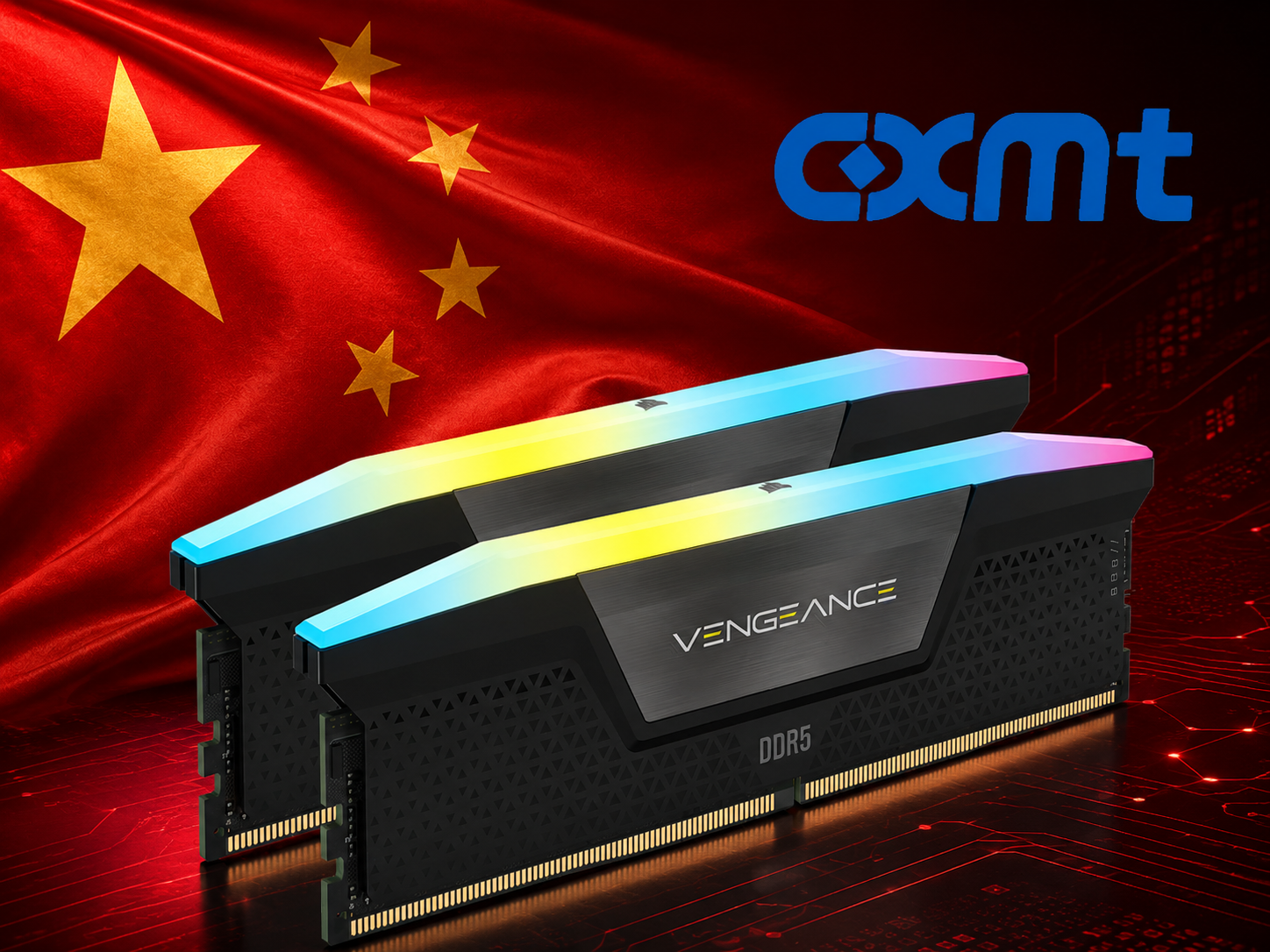
Chinese memory appears to be entering the global PC component supply chain in a more visible way, as a Corsair DDR5 memory module has reportedly been spotted using DRAM from ChangXin Memory Technologies, better known as CXMT. The finding, shared through a post by wxnod on X, suggests that major memory brands may already be turning to Chinese DRAM suppliers as the global memory market tightens under pressure from AI infrastructure demand.
CXMT DDR5 DRAM Die Appears in Corsair Memory pic.twitter.com/GRLeAUHtEN
— Алексей (@wxnod) May 22, 2026
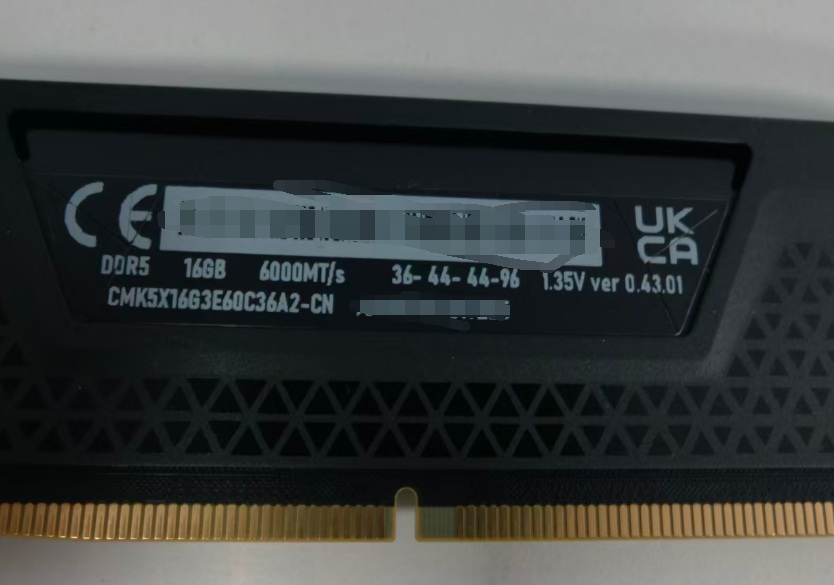
The reported Corsair module is part of the company’s Vengeance Gaming DDR5 lineup, a mainstream enthusiast series widely used by gamers, PC builders, and performance focused desktop users. According to the shared images, the module features 16 GB capacity, 6000 MT/s speed, CL36 timings, support for both AMD EXPO and Intel XMP, and a voltage range of 1.1 V to 1.35 V. The listed module ID is CMK5X16G3E60C36A2-CN, while the DRAM manufacturer is identified as ChangXin Technologies, indicating CXMT memory chips.
This is notable because Corsair has traditionally relied on leading DRAM suppliers such as Samsung, SK hynix, and Micron across many of its consumer memory products. The appearance of CXMT DRAM in a Corsair DDR5 module shows how the current memory supply environment may be shifting, especially as major DRAM makers prioritize higher margin AI related products such as HBM and LPDDR5X.
The AI supercycle has created a major supply imbalance across the memory industry. Data centers, accelerator vendors, and cloud infrastructure companies are consuming more advanced memory than ever, pushing suppliers to allocate capacity toward AI focused products. As a result, commodity DRAM and PC memory availability have become tighter, with system makers, module vendors, and OEMs facing higher costs and fewer sourcing options.
This is where Chinese memory suppliers such as CXMT and YMTC are starting to gain more attention. With Samsung, SK hynix, and Micron under pressure from AI demand, Chinese suppliers are moving into the gaps with DDR5 DRAM and NAND products that could support both domestic demand and global component makers looking for alternative supply.
CXMT has been accelerating DDR5 production and reportedly offering DDR5 solutions reaching up to 8000 MT/s, with DRAM dies available in 16 Gb and 24 Gb capacities. At the same time, other Chinese memory firms are also working to expand into workstation and data center memory segments, including DDR5 RDIMM production for server and professional workloads.
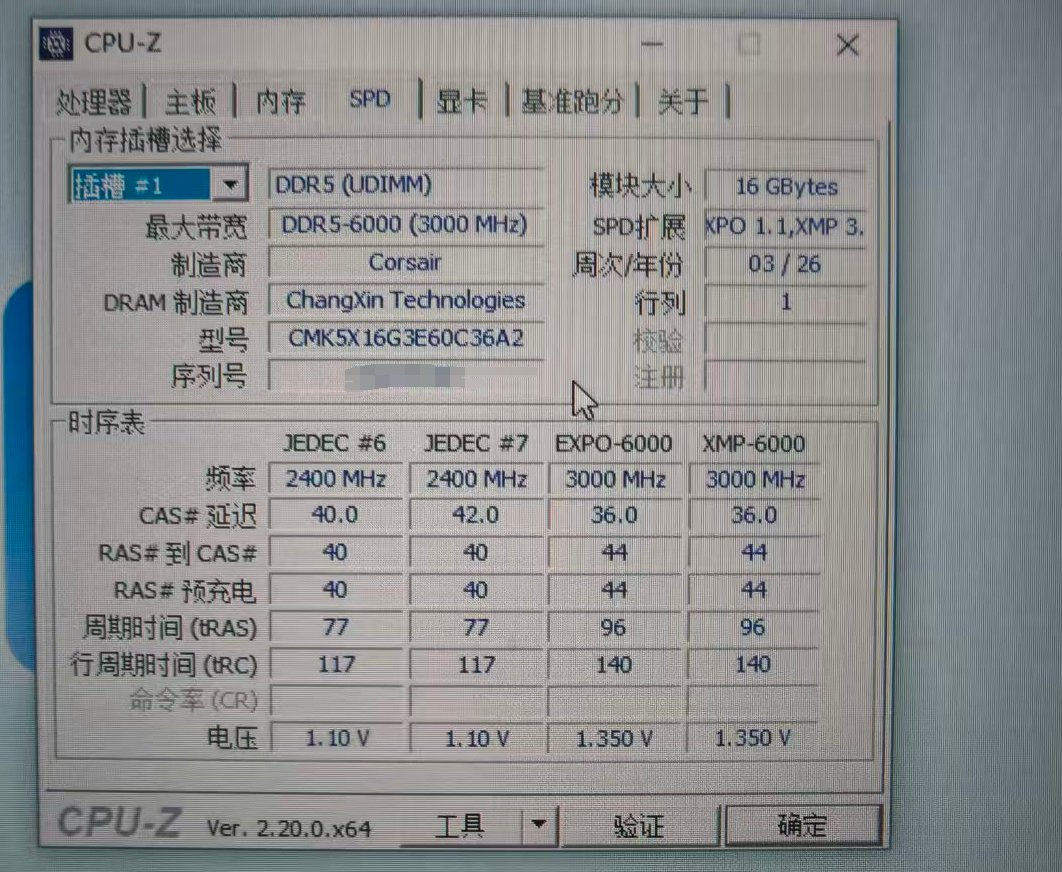
From a performance standpoint, the reported Corsair DDR5 module appears to sit in a familiar specification class. A 16 GB, 6000 MT/s, CL36 DDR5 kit with EXPO and XMP support is comparable to many mainstream DDR5 gaming kits based on Samsung or SK hynix DRAM. That does not automatically mean the module will behave identically in overclocking, voltage scaling, or motherboard compatibility, but it does show that CXMT DDR5 is now reaching performance levels suitable for branded consumer memory products.
For PC builders, the immediate question will be reliability, compatibility, and real world tuning behavior. DDR5 modules are more than just DRAM chips. PCB design, PMIC behavior, SPD programming, thermal design, BIOS support, and vendor validation all matter. If major brands like Corsair are comfortable placing CXMT DRAM into retail products, it suggests that the chips have reached a level where they can pass internal qualification for certain product tiers.
Cost is likely another major factor. As memory prices rise due to AI driven supply pressure, vendors need ways to protect margins and keep consumer products available at competitive prices. Chinese DRAM may offer a lower cost or more available alternative at a time when traditional supply channels are under pressure.
The broader business implication is significant. If CXMT can provide stable DDR5 supply at competitive specifications, more global brands may begin using Chinese DRAM in mainstream memory modules. That would mark a meaningful step for China’s semiconductor ambitions, especially in a market historically dominated by Samsung, SK hynix, and Micron.
However, this shift also introduces new questions. Buyers may want clearer transparency on which DRAM chips are used inside retail kits, especially for users who care about overclocking headroom, platform compatibility, or memory tuning. Enthusiasts often track whether a kit uses Samsung, SK hynix, Micron, or other ICs because DRAM type can affect performance behavior beyond the official specification sheet.
CXMT DDR5 DRAM 6000 C36-40-40-96 V1.35 pic.twitter.com/rk22qsWYkJ
— Алексей (@wxnod) May 22, 2026
The timing is also important with Computex approaching. With memory pricing under pressure and AI systems absorbing more high end DRAM production, Chinese DRAM could become more visible across consumer products, system integrator builds, and potentially new memory module announcements. If Corsair is already using CXMT DDR5 in certain modules, other brands may follow as the industry looks for more supply flexibility.
For now, the reported Corsair module does not mean Chinese DRAM has taken over the global memory market. It does, however, indicate that CXMT is no longer limited to domestic or low visibility deployments. Its DDR5 products are now appearing in modules from a globally recognized PC hardware brand, and that alone is a major signal for the memory industry.
As AI continues reshaping DRAM allocation, the PC memory market may become more diversified. Samsung, SK hynix, and Micron remain the dominant global players, but CXMT’s growing presence could give module makers another supply path at a time when every gigabyte matters.
Would you buy a Corsair DDR5 kit using CXMT DRAM if the specifications, warranty, and price were competitive with Samsung or SK hynix based memory?
