
Microsoft Plans to Make Windows 11 Faster on PCs With 8 GB RAM
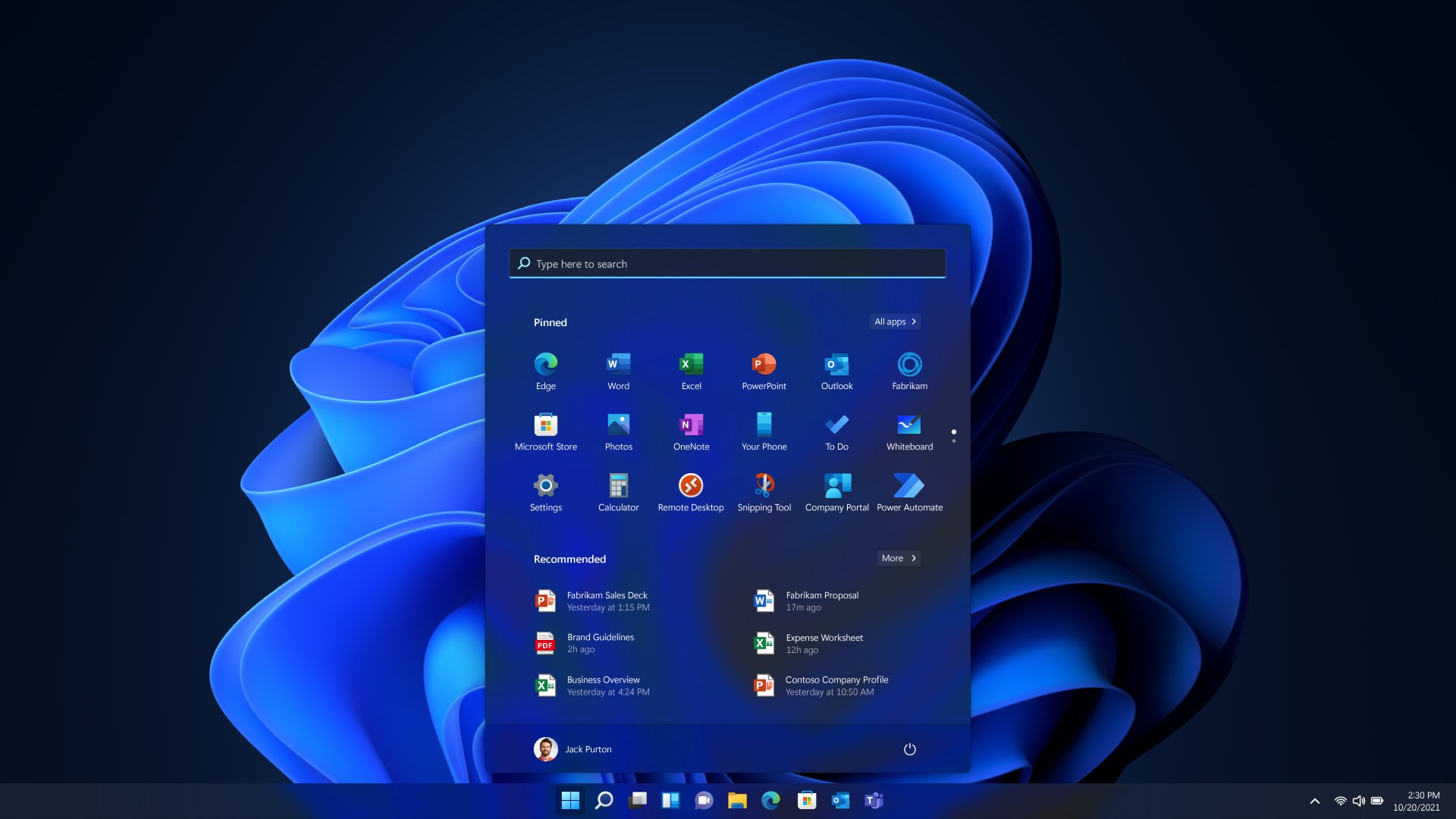
Microsoft has confirmed that reducing the Windows 11 memory footprint on systems with 8GB of RAM or more will become a major development priority through the end of 2026. The initiative is intended to deliver a faster and more responsive experience across mainstream computers as rising memory prices encourage manufacturers to return to lower capacity configurations.
President of Windows and Devices Pavan Davuluri outlined the strategy in an official Windows quality update, where Microsoft identified memory optimization as 1 of 4 new focus areas. The company is also working on faster initial setup, improved parental controls, and more natural voice interaction across Windows applications.
"Memory optimization for 8GB and above. Reducing Windows memory footprint to deliver a fast and responsive Windows experience across the PCs customers use every day."
— Quote by: Pavan Davuluri.
| Windows 11 Priority | Microsoft’s Objective |
|---|---|
| Memory Optimization | Reduce the operating system memory footprint on PCs with 8 GB of RAM or more |
| Onboarding and Setup | Deliver a faster and more efficient initial configuration experience |
| Family Features | Simplify parental control setup and access |
| Voice Interaction | Make voice input more natural across applications |
Microsoft has not announced a specific memory reduction target, public Windows build, or exact release date for the completed optimization work. The improvements are expected to arrive gradually through Windows Insider testing and future Windows 11 updates rather than through a single major patch. This means users should not expect every 8 GB system to receive an immediate performance transformation.
The company says it has already started improving memory efficiency through a more efficient memory allocator that reduces overhead across applications and operating system components. Microsoft is also continuing to optimize WinUI 3 so applications using its modern interface framework consume less memory by design. Additional work is targeting Chromium and WebView2 components used throughout Windows, including applications and interface elements that display web based content.
These changes form part of a wider effort to improve Windows 11 responsiveness, stability, and interface consistency. Microsoft has already introduced architecture improvements for File Explorer, faster application launches, shorter boot and login times, and smoother performance across Start, Search, and Snipping Tool. The company has also expanded WinUI 3 into additional sections of the Windows shell while attempting to reduce latency and memory consumption.
The memory initiative complements the Windows 11 Low Latency Profile, which uses brief increases in processor activity to improve responsiveness when opening Start, Search, Action Center, and other core interface elements. Together, the projects suggest Microsoft is focusing less on headline features and more on reducing the everyday delays and resource overhead that make lower specification computers feel slow.
Windows 11 officially requires only 4GB of RAM, although that configuration provides limited capacity for modern browsers, communication software, security services, gaming clients, and background applications. Copilot Plus PCs occupy the opposite end of the platform, requiring at least 16 GB of memory alongside a compatible neural processor and 256GB of storage. The new optimization target is therefore focused on the large category of affordable computers positioned between the minimum Windows requirement and premium artificial intelligence systems.
The timing is important because artificial intelligence infrastructure demand is placing intense pressure on the global memory market. DRAM manufacturers are directing more production resources toward High Bandwidth Memory and profitable server products, increasing costs for laptops, gaming computers, and other consumer devices. AMD has already warned that higher memory costs could weaken PC and gaming demand, while ADATA believes the memory shortage could continue for many years.
Reducing the Windows 11 memory footprint could help manufacturers preserve affordable laptop pricing without making 16 GB mandatory across every product tier. However, software optimization cannot completely replace physical memory. An 8 GB computer may become more responsive during basic productivity, browsing, streaming, and education workloads, but demanding games, content creation applications, local artificial intelligence tools, and heavy multitasking will continue benefiting substantially from 16GB or more.
Microsoft’s renewed attention to 8 GB systems is necessary because Windows cannot depend on hardware manufacturers continually adding more memory to compensate for operating system expansion. As DRAM prices rise, affordable computers are increasingly likely to return to 8 GB configurations, making software efficiency a commercial requirement rather than a technical luxury.
Optimizing the memory allocator, WinUI 3, Chromium, and WebView2 is a stronger approach than simply disabling visible features. These components operate across a large portion of the Windows experience, meaning even modest reductions could leave more memory available for browsers, games, productivity software, and background applications.
The final results will require independent testing. Microsoft has not provided a target for idle memory consumption or shown comparative benchmarks on identical 8 GB hardware. Until those measurements arrive, the announcement should be treated as a promising commitment rather than proof that 8 GB has become an ideal long term configuration.
Could better Windows 11 optimization make 8 GB computers acceptable again, or should 16 GB remain the minimum for every new PC?
