
AMD Warns Higher Memory Costs Will Pressure PC and Gaming Demand in the Second Half of 2026
AMD says the consumer side of the market is heading into a tougher second half of 2026, with rising memory and component costs expected to weigh on both PC shipments and gaming demand. The warning came as part of the company’s Q1 2026 earnings results, where AMD still posted strong overall performance, but made it clear that the inflationary pressure building across memory and other components is starting to create real risk for mainstream consumer demand.
There is an important correction to the segment figures first. AMD’s Client and Gaming segment revenue for Q1 2026 was 3.6 billion dollars, not 3.94 billion dollars. Within that, Client revenue was 2.9 billion dollars, up 26% year over year, while Gaming revenue was 720 million dollars, up 11% year over year. The 3.94 billion dollar figure reflects the prior quarter, not the current one. AMD’s official filing shows the quarter over quarter comparison clearly, with total Client and Gaming revenue falling from 3.94 billion dollars in Q4 2025 to 3.605 billion dollars in Q1 2026.
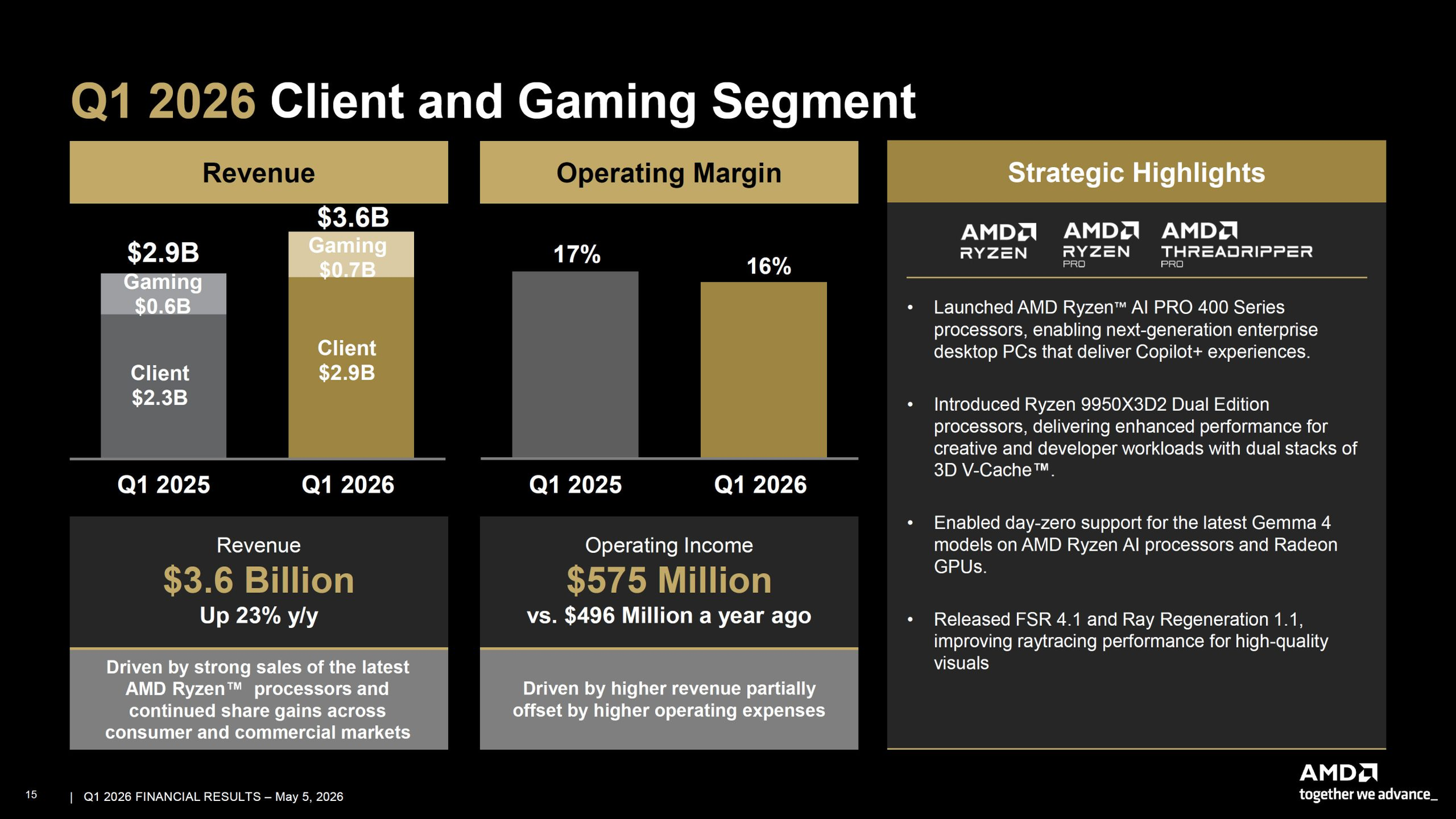
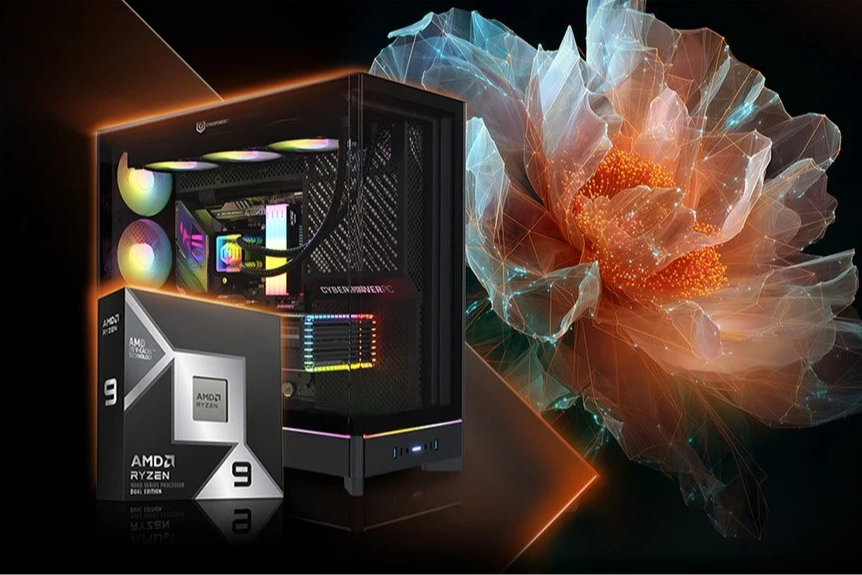
Even so, AMD’s consumer business did not enter the year weak. The company said desktop demand benefited from its Ryzen lineup, including its latest X3D processors, while mobile growth was helped by a richer mix of Ryzen notebook products. Commercial momentum also remained strong, with Ryzen Pro PC sell through rising more than 50% year over year as Dell, HP, and Lenovo expanded their AMD systems.
The problem is what comes next. On the earnings call, Lisa Su said AMD expects Ryzen CPU demand to remain solid in Q2, but the company is planning for lower second half PC shipments because of higher memory and component costs. Reuters separately reported that AMD executives said the same cost pressure is expected to hit gaming as well, with second half gaming revenue projected to decline more than 20% compared with the first half.
That makes memory pricing the central issue here, not a collapse in product competitiveness. AMD is not warning that consumers no longer want Ryzen systems or gaming hardware. It is warning that the cost of building and buying those systems is rising enough to damage demand. Reuters reported that the wider semiconductor industry is dealing with a global shortage of memory chips, driven in large part by the rush to secure high bandwidth memory and other advanced memory supply for AI infrastructure. As a result, consumer facing PCs and gaming devices are increasingly exposed to higher bills of materials and weaker affordability.
Lisa Su also made clear that AMD itself is managing through a tight supply environment rather than facing a direct supply breakdown. She said memory remains tight for everyone, but AMD has secured enough supply with its memory partners to meet and exceed its own targets. The larger concern, in her words, is the downstream effect on consumer markets, particularly PCs and gaming, where higher memory prices can directly curb purchasing demand.
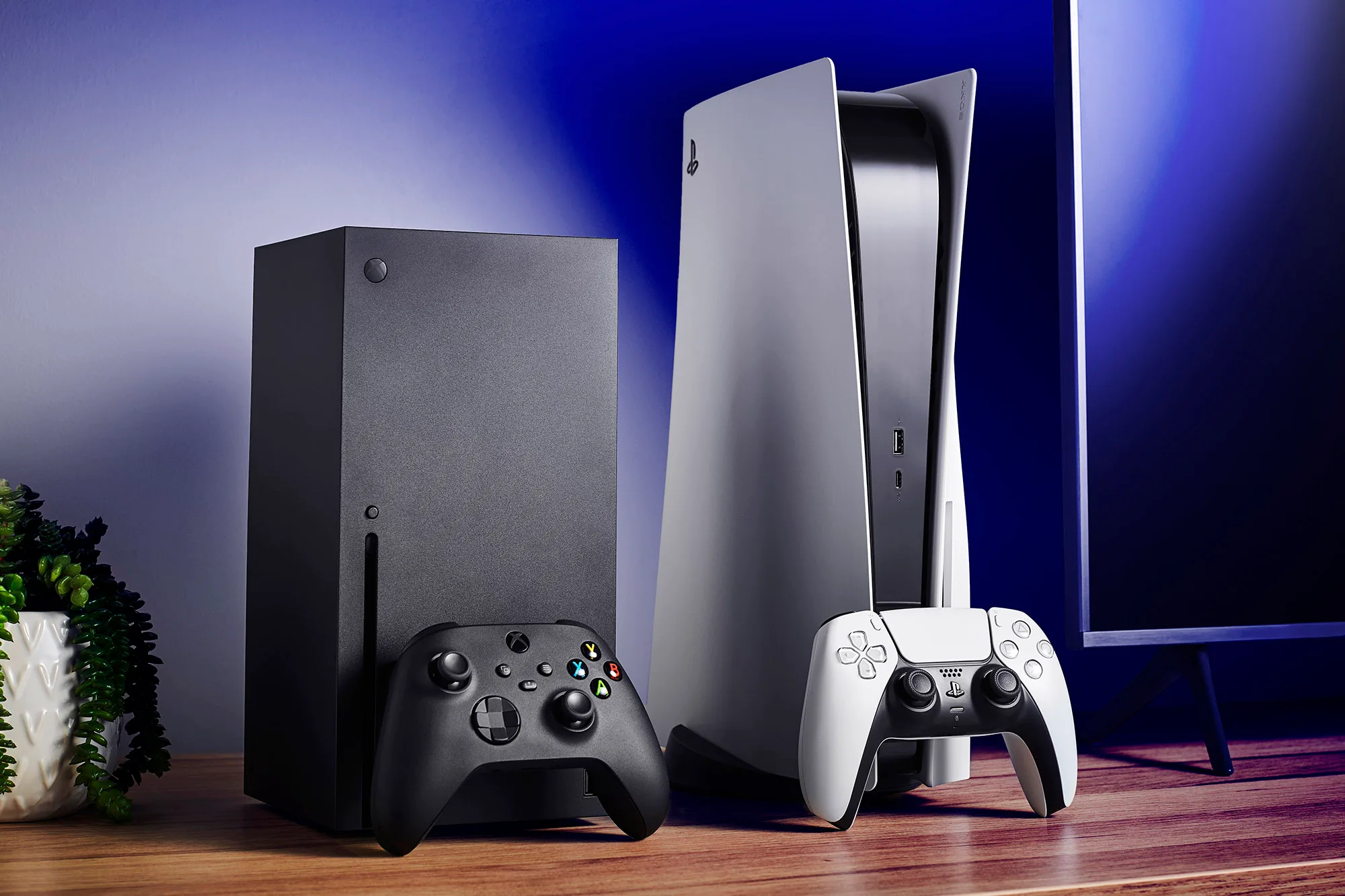
Gaming may feel the pressure more visibly than the broader client side. AMD’s gaming business includes Radeon graphics and semi custom console chips, so higher memory costs can hit both standalone gaming hardware and the console ecosystem. Reuters previously reported that the AI boom has already started pressuring the console market through tighter memory supply and rising DRAM prices, with manufacturers expected to face additional cost increases across consumer devices. That broader market backdrop aligns with AMD CFO Jean Hu’s warning that gaming revenue in the second half is expected to fall more than 20% compared with the first half.
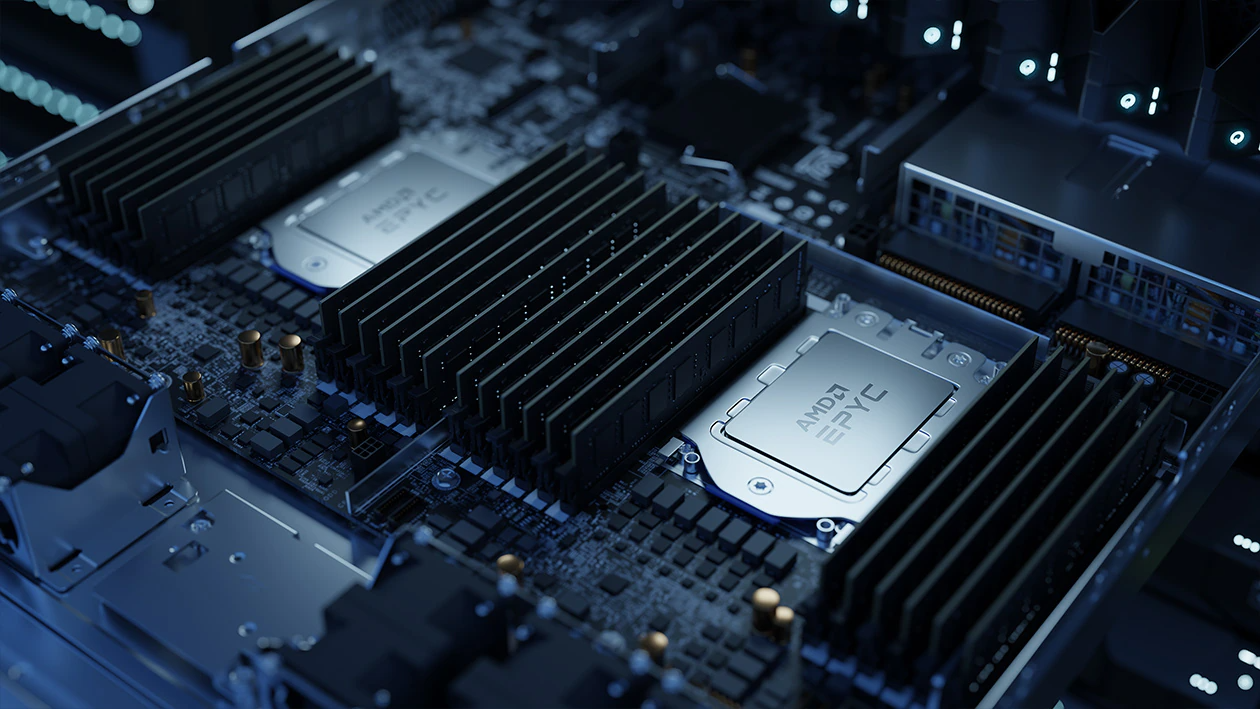
What AMD is effectively describing is a split market. Data center and AI demand remain extremely strong, and that strength is part of what is tightening memory conditions in the first place. Consumer PCs and gaming, by contrast, are now facing the side effects of that same AI driven supply environment. In other words, the AI boom is helping AMD’s top line in some areas while making life harder in others. That is one of the clearest signs yet that AI infrastructure demand is reshaping the entire semiconductor stack, not just the server segment. This conclusion is an inference drawn from AMD’s earnings commentary and Reuters’ reporting on memory shortages and consumer demand.
AMD still expects its client revenue to grow year over year and outperform the broader market, so this is not a collapse scenario. But it is a notable warning for the second half of 2026, especially for gamers and PC buyers who may face higher platform costs just as memory prices continue to rise. If those pressures persist, the next few months could become a lot less forgiving for mainstream upgrades and discretionary gaming purchases.
What do you think will be hit harder by rising memory prices in the second half, gaming PCs or consoles?
