
ADATA Chairman Says Memory Shortage Could Last 10 Years as AI Demand Accelerates
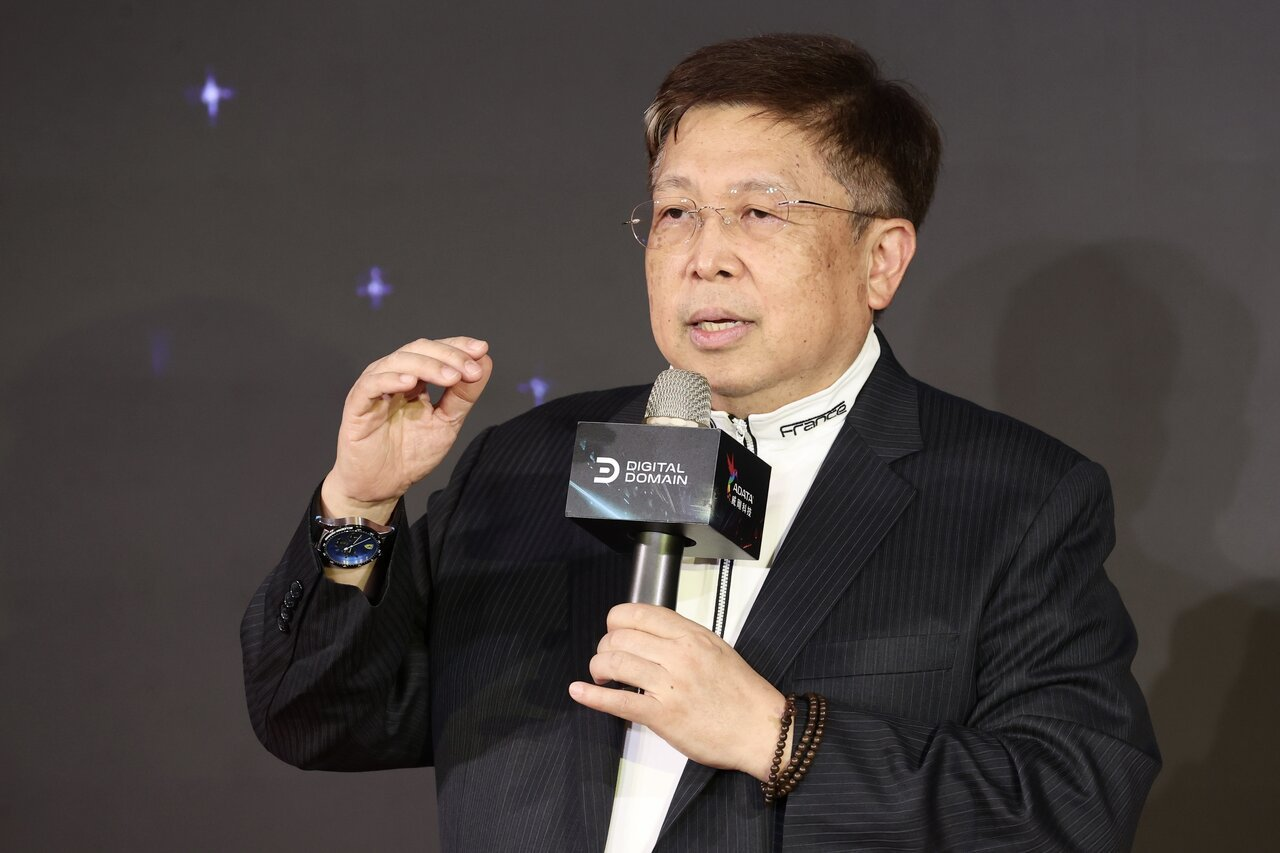
ADATA Chairman Chen Li Bai believes the global memory shortage could continue for another 10 years as artificial intelligence infrastructure consumes rapidly increasing quantities of DRAM, High Bandwidth Memory, NAND Flash, and power. He also argues that concerns surrounding a potential artificial intelligence investment bubble are arriving far too early.
Responding to questions about recent volatility across semiconductor stocks, Chen rejected the idea that current market movements indicate the artificial intelligence expansion is beginning to collapse. According to the Commercial Times, he believes the technology industry is still underestimating how much computing capacity, memory, storage, and electricity future artificial intelligence services will require.
"We can discuss whether the AI bubble will occur in 2040 or 2050 after 2030."
— Chen Li Bai
Chen expects artificial intelligence adoption to expand beyond major cloud companies into enterprise, government, consumer, and mixed commercial services. Under this outlook, spare computing capacity currently being leased by companies such as Meta and xAI does not necessarily indicate weakening demand. Instead, the unused capacity could be temporary as developers establish new applications and business models capable of consuming it.
The ADATA chairman identified electricity and memory as 2 of the resources most likely to remain constrained during the next decade. Artificial intelligence servers require extensive quantities of High Bandwidth Memory and server DRAM, while the supporting data centers also depend on enterprise solid state drives, networking equipment, cooling systems, and increasingly powerful electrical infrastructure.
Chen also believes additional factories will not immediately resolve the shortage. Samsung Electronics, SK hynix, and Micron are expanding production, but advanced memory facilities require years of construction, equipment installation, process qualification, yield improvement, and customer validation before they can contribute meaningful volume.
Memory manufacturers are also expected to remain cautious about adding excessive capacity. The DRAM industry has historically experienced severe pricing collapses after periods of aggressive expansion, giving suppliers a strong incentive to increase production gradually and prioritize profitable products linked to artificial intelligence.
This outlook is broadly consistent with recent warnings from other industry leaders. SK hynix Chief Executive Kwak Noh Jung expects the memory industry to experience its most severe shortage during 2027, with demand potentially exceeding production capacity beyond 2030. The company nevertheless plans to double its wafer capacity over the next 5 years as it responds to growing artificial intelligence demand.
ADATA has already benefited from the current pricing cycle, the AI memory boom has increased profits across ADATA and other memory companies, as limited supply and stronger contract prices improve margins across DRAM and NAND products.
Chen recently stated that memory suppliers had informed customers of expected Q3 2026 contract price increases of between 20% and 30% for DRAM and between 35% and 40% for NAND Flash. These projections are more aggressive than some independent market forecasts, but they demonstrate the pricing pressure currently reaching module manufacturers, computer companies, smartphone brands, and consumers.
The shortage is also changing how memory companies allocate production. High margin products such as HBM, high capacity server DRAM, and enterprise storage increasingly compete for factory resources previously used for mainstream desktop, laptop, smartphone, and gaming hardware. SK hynix is adjusting production toward profitable DDR5 products as demand and pricing improve across the wider market.
A 10 year memory shortage is an extremely aggressive forecast and should not be treated as a guaranteed outcome. New factories, Chinese DRAM expansion, improved manufacturing yields, and changes in artificial intelligence efficiency could alter the supply balance considerably before 2036.
However, Chen’s broader argument reflects a structural change already visible across the industry. Artificial intelligence is not simply creating temporary demand for graphics processors. It is consuming an expanding share of the entire computing supply chain, including HBM, server DRAM, NAND Flash, networking, packaging, electricity, and cooling.
For gamers and PC builders, the greatest concern is that consumer hardware may no longer receive priority when manufacturers can secure more profitable and predictable contracts from data center customers. Even when additional production arrives, prices may not return to the unusually low levels seen before the current artificial intelligence investment cycle.
Do you believe the memory shortage could genuinely last another 10 years, or will new factories and Chinese manufacturers restore supply much sooner?
