
NVIDIA Brings Local AI Agents to DGX Station With Nemotron 3 Ultra and Omniverse
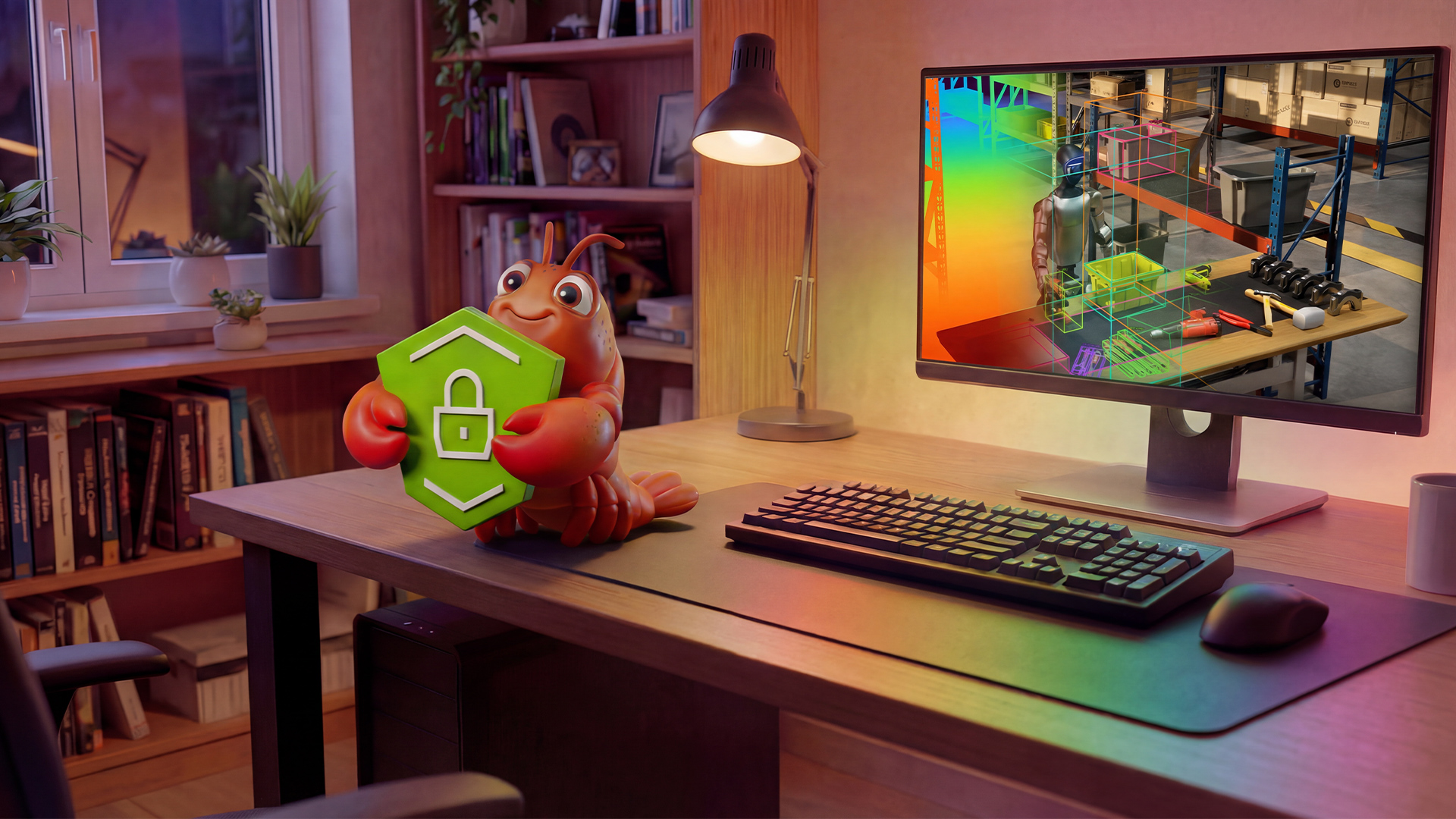
NVIDIA is expanding the DGX Station from a powerful desktop AI system into a complete local platform for building and running autonomous agents. Through the latest NVIDIA Agent Toolkit, developers can combine NemoClaw, Nemotron 3 Ultra, OpenShell, and Omniverse libraries to create agents capable of reasoning, calling tools, interacting with applications, and preparing complex 3D environments for simulation.
The NemoClaw deployment guide provides a guided installation process for running a local assistant inside an OpenShell sandbox. NVIDIA labels the playbook as a 30 minute workflow, although the company notes that a complete first installation can require between 30 and 60 minutes depending on model downloads, network performance, and optional integrations. The installer configures Node.js, OpenShell, NemoClaw, a local vLLM inference service, and a controlled environment that restricts filesystem, network, process, and model access according to defined policies.
NemoClaw is an open source reference stack built to deploy specialized OpenClaw agents with additional privacy and security controls. The core model inference can operate locally on DGX Station, while optional services such as web search, Telegram, Discord, or Slack can be enabled when required. NVIDIA warns that the current playbook is a demonstration rather than a production ready solution and recommends using a clean environment without sensitive information or credentials.
The model layer is provided by NVIDIA Nemotron 3 Ultra, a 550 billion parameter mixture of experts model with 55 billion active parameters. It is designed for demanding agent workflows involving coding, research, planning, tool use, and long context reasoning. NVIDIA has published a deployment configuration that runs the model on a single GB300 based DGX Station by using GPU memory alongside selective expert offloading into coherent CPU memory.
DGX Station provides up to 20 petaflops of FP4 AI performance through the GB300 Grace Blackwell Ultra Desktop Superchip. The system combines 252 GB of HBM3e with 496 GB of LPDDR5X for 748 GB of coherent memory, allowing developers to run models containing up to 1 trillion parameters. A 72 core Grace CPU connects to the Blackwell Ultra GPU through NVLink C2C, while the ConnectX 8 SuperNIC provides up to 800 Gb per second of network bandwidth.
Developers requiring additional model capacity or concurrent agent performance can connect 2 DGX Stations through the official distributed workload playbook. NVIDIA also provides a dual DGX Station NemoClaw guide that distributes Nemotron 3 Ultra across both GB300 systems using ConnectX 8 networking, Ray, vLLM, and pipeline parallelism. The configuration requires at least 350 GB of model storage on each system and can take more than 1 hour during the first model download and compilation process.
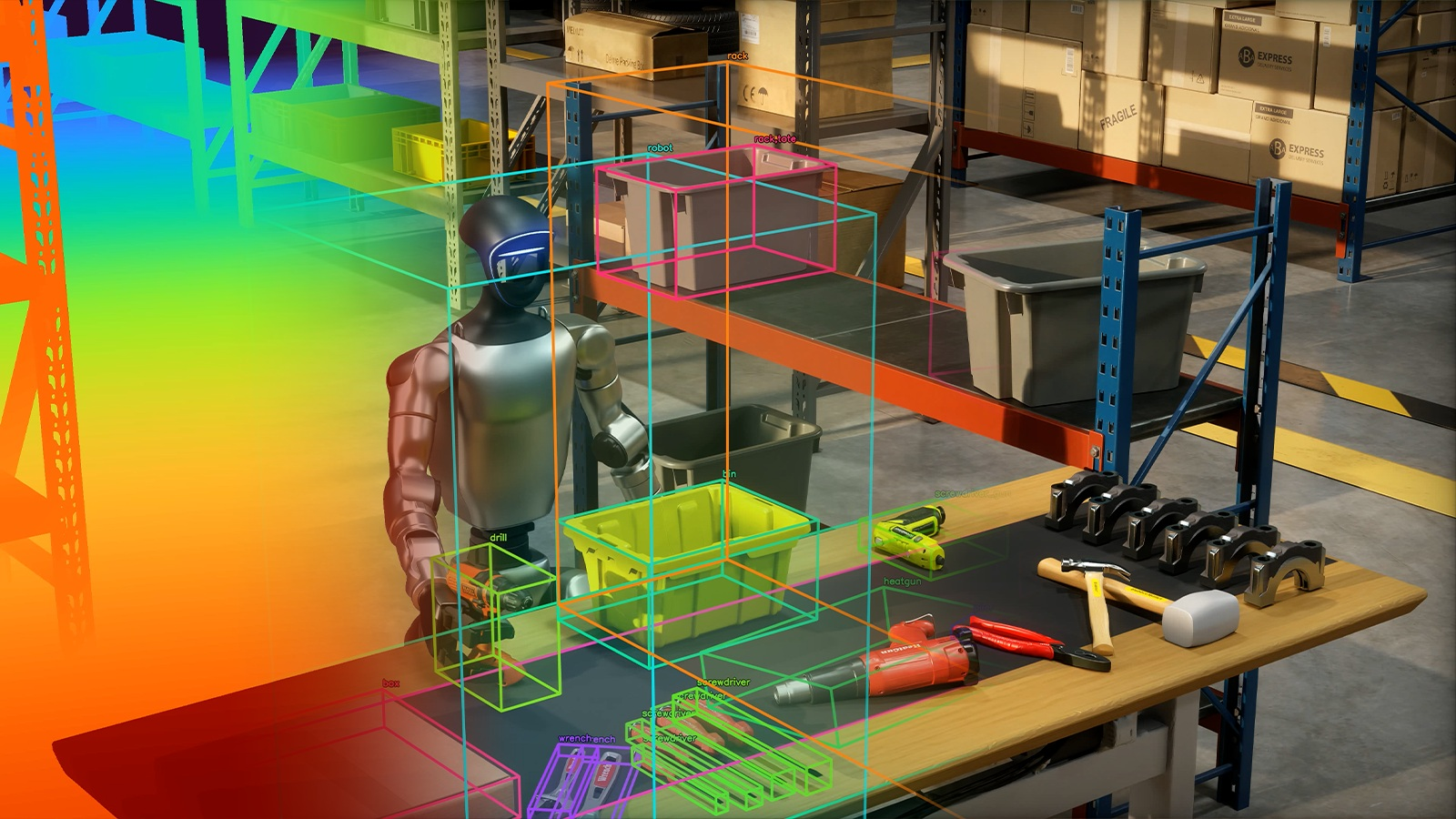
NVIDIA has also expanded its Agent Toolkit with Omniverse libraries. The new tools include ovrtx for camera, lidar, and radar sensor simulation, ovphysx for GPU accelerated physics, and CAD to SimReady skills for converting engineering assets into simulation ready OpenUSD objects. A new Blender blueprint demonstrates how NemoClaw agents can inspect scenes, test physics, validate assets, and prepare 3D environments for robotics and physical AI workflows.
The toolkit also supports Model Context Protocol connections, allowing agents to interact with compatible creative and engineering applications. Adobe, Affinity by Canva, Blender, Foundry, SideFX, and Unreal Engine from Epic Games are among the platforms introducing MCP connections or related agent workflows. This could allow local agents to inspect scenes, modify assets, validate projects, generate scripts, and automate repetitive production tasks while creators retain control over final decisions.
Running Nemotron locally can reduce dependence on cloud based token services, but it does not make agent deployment free. Organizations must still account for the cost of the hardware, electricity, storage, software support, security, and system administration. DGX Station systems are currently available to order from ASUS, Dell, Exxact, GIGABYTE, HP, MSI, and Supermicro.
The release strengthens NVIDIA’s wider push into agentic AI, GB300 delivered major gains in concurrent agent workloads and Nemotron 3 Nano Omni expands NVIDIA’s open multimodal model ecosystem. DGX Station now brings these hardware and software strategies together inside a system designed to operate beside a developer rather than inside a remote data center.
DGX Station is not a conventional workstation with a faster GPU. NVIDIA is positioning it as a private AI infrastructure node that can run frontier models, autonomous agents, simulation tools, and creative workflows locally.
The greatest advantage is control. Companies can keep models, intellectual property, engineering files, and agent activity inside their own environment while avoiding recurring cloud inference charges. However, OpenShell sandboxing does not eliminate every security risk, and NVIDIA’s own documentation makes clear that the current NemoClaw workflow still requires careful configuration before it can be trusted with production systems.
For game developers and creators, the Omniverse and MCP integrations may become as important as the raw GB300 performance. An agent that can understand an Unreal Engine project, inspect Blender assets, test physics, and prepare simulation data could change how large teams build games, digital worlds, robotics systems, and visual effects.
Would you trust a locally operated AI agent to directly modify game projects, 3D scenes, and engineering assets?
