
AI Memory Boom Sends Profits Soaring for ADATA and Other Memory Makers as Tight Supply Becomes the New Normal
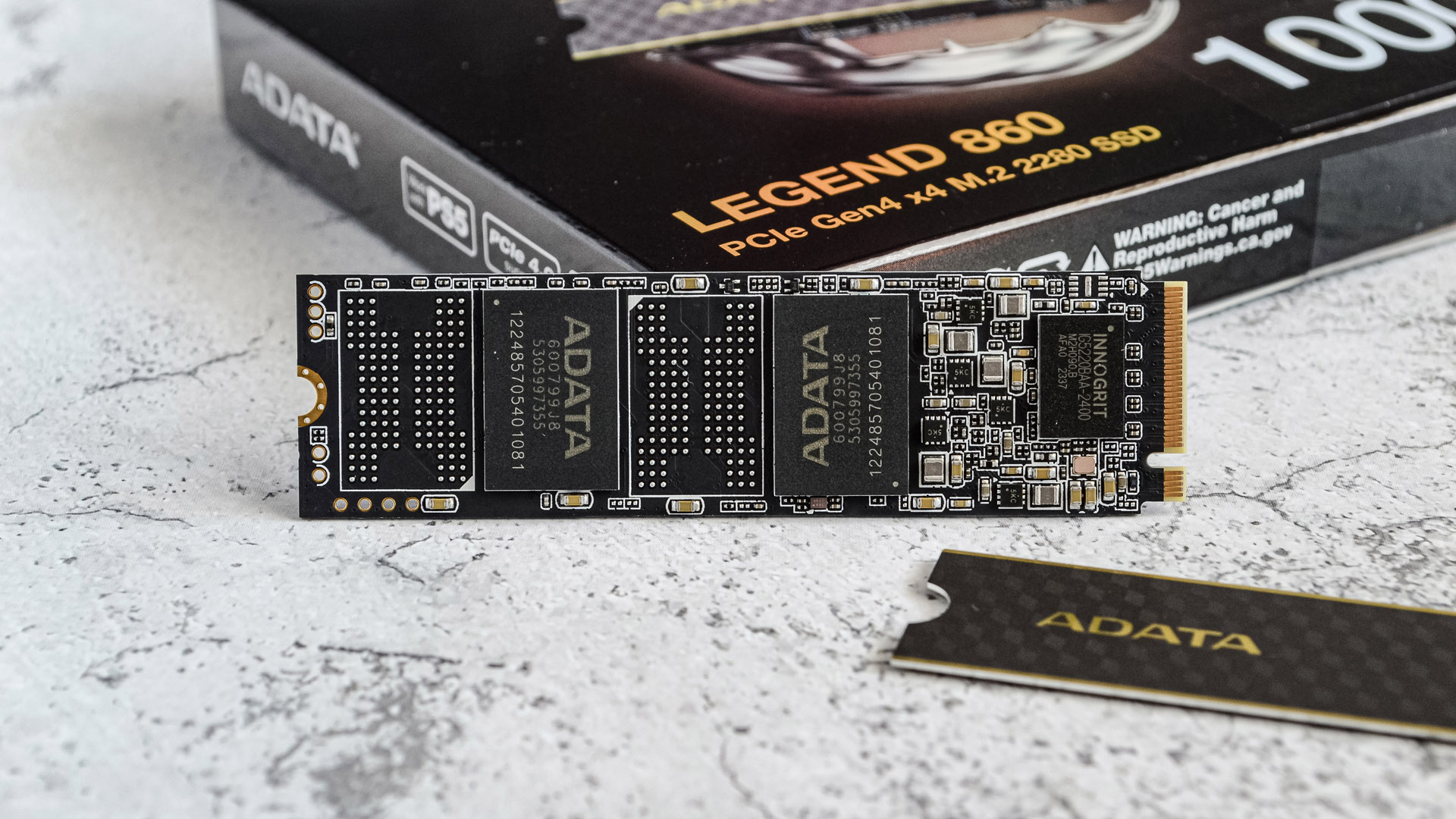
The AI driven memory squeeze is continuing to reshape the semiconductor market, and memory makers are among the clearest winners. A new report from Commercial Times says companies such as ADATA, Macronix, Apacer, Team Group, and Nanya Tech are all benefiting from the current supply crunch, with stronger margins and rapidly rising profits as DRAM and NAND pricing remain elevated.
ADATA stands out as one of the strongest examples. The company’s official first quarter 2026 results show consolidated revenue of NT$26.1 billion, gross margin of 55.7%, and operating profit of NT$12.28 billion, while net profit climbed to NT$9.07 billion. ADATA said net profit was 17 times higher than a year earlier, matching the scale of the jump described in the market report.
That result was not framed as a one off spike. According to Commercial Times, ADATA chairman Simon Chen said the first quarter was only the starting point for the year and described the current market as a “new normal” of long term tight supply. The same report says he expects DRAM pricing and demand momentum to continue, driven by converging DDR4 and DDR5 supply conditions and the ongoing shortage of high bandwidth memory.
ADATA is not alone. Nanya Technology’s official first quarter 2026 results show revenue of NT$49.09 billion, gross margin of 67.9%, and net income of NT$26.06 billion, reflecting one of the strongest quarters in the company’s recent history. Reuters also reported in March that Nanya raised about $2.5 billion through a private placement to expand advanced memory manufacturing, with supply agreements tied to customers seeking secure DRAM access in a market tightened by AI demand.
Macronix is also seeing a sharp rebound. The company’s first quarter 2026 results show revenue rising 35% quarter over quarter and 71% year over year, while gross margin reached 40.8% and net profit returned to NT$1.78 billion. That aligns with recent reporting that tighter supply and higher pricing have significantly improved profitability across more specialized memory segments as larger vendors continue prioritizing higher end products.
The broader market backdrop explains why these numbers are getting so extreme. Samsung and SK hynix have both warned that AI driven memory shortages could last through 2027 and beyond, with HBM demand exploding and larger buyers reserving supply years in advance. That pressure is spilling into the wider DRAM and NAND market, pushing up prices for mainstream memory and storage products even as suppliers enjoy some of their strongest margin profiles in years.
That is the real tension behind this story. For suppliers and module makers, this is a very profitable cycle. For consumers and downstream PC markets, it means more expensive RAM, SSDs, and other memory dependent hardware. Commercial Times frames the situation as a new long term reality rather than a short disruption, and recent company results strongly support that view. Unless supply expansion starts catching up much faster, the AI boom is likely to keep rewarding memory makers while keeping pressure on everyone else.
Do you think memory prices will stay painful through 2026, or will supply finally start catching up before the year ends?
