
SK hynix Says AI Cannot Exist Without Memory as Next Generation Production Expands
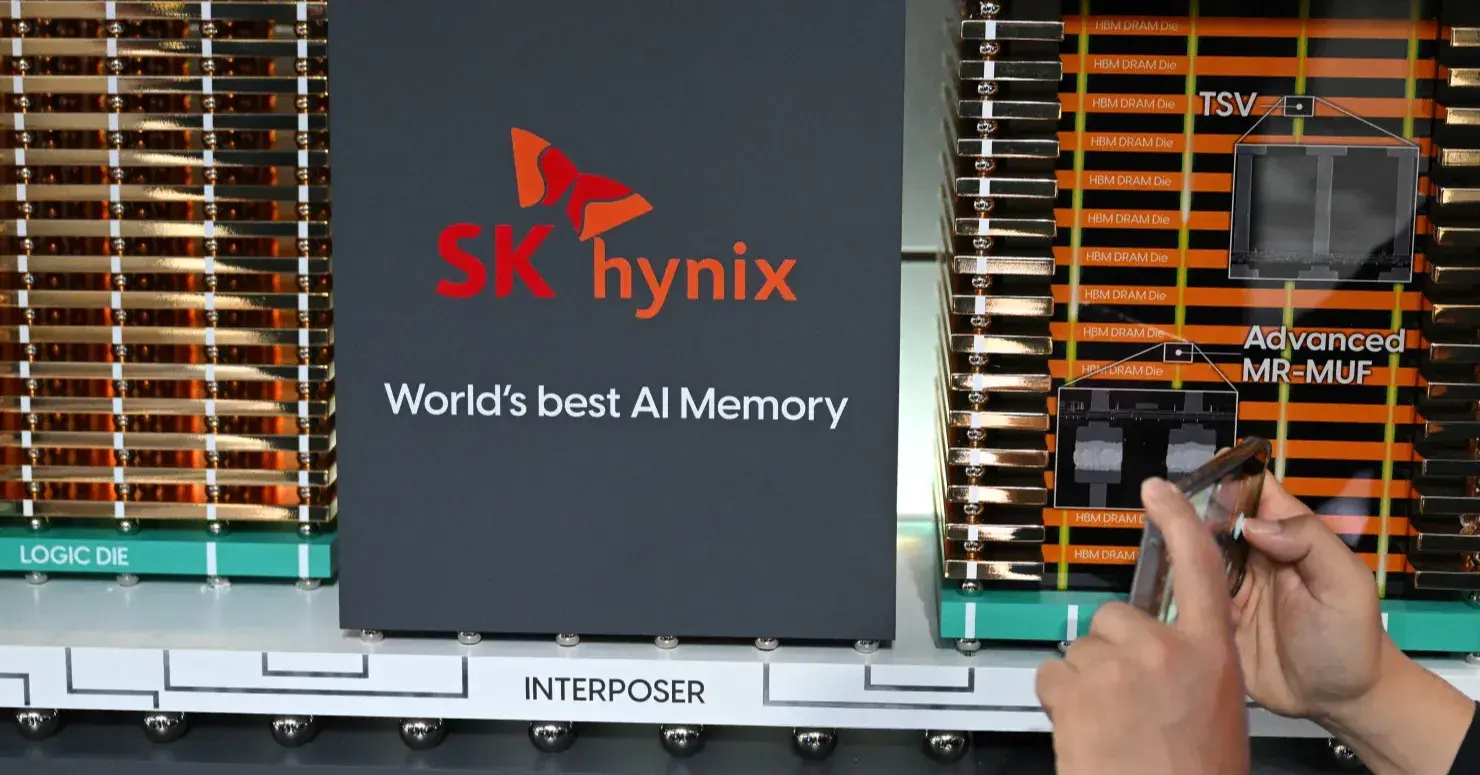
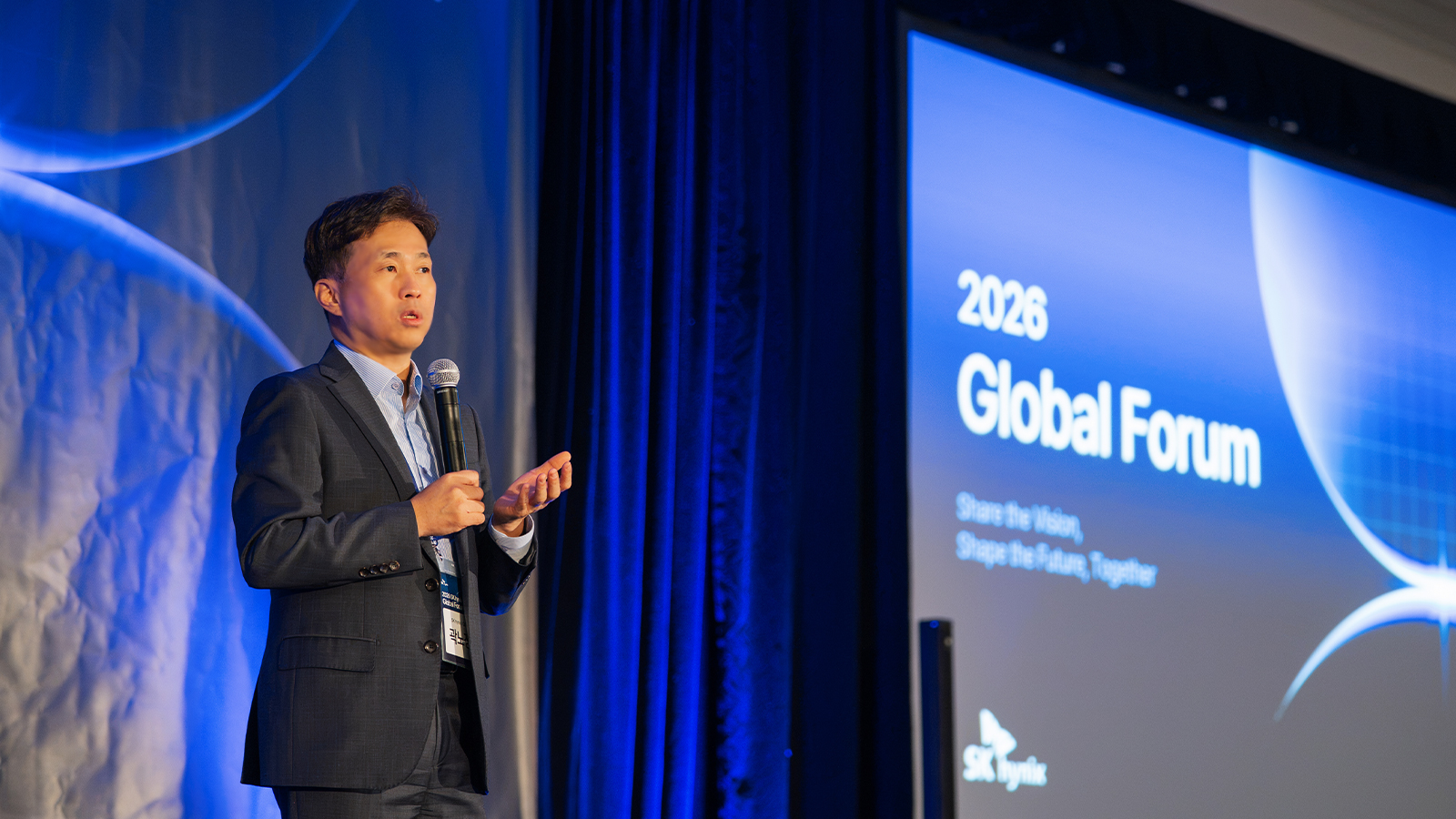
SK hynix is placing memory at the center of the next phase of artificial intelligence infrastructure, arguing that faster accelerators alone cannot sustain the industry as models demand more capacity, bandwidth, and increasingly efficient data movement. Speaking at the company’s 2026 Global Forum in Santa Clara, CEO Kwak Noh Jung said SK hynix intends to defend its technology leadership through next generation memory, new production capacity in South Korea and the United States, and a broader research network focused on the rapidly changing requirements of AI systems.
"Without memory, the AI industry cannot exist."
— Quote by: Kwak Noh Jung.
The statement reflects a broader shift taking place inside AI servers. GPUs and specialized accelerators can continue adding compute performance, but those processors increasingly depend on memory systems capable of keeping enormous models and data sets close enough to the compute engines to avoid becoming bottlenecks. SK hynix has been making the same argument through its recent technical work around HBM, processing in memory, HBF, and new approaches to handling KV cache during inference. At its September AI Infra Summit, the company presented technologies including HBF, PIM based AiMX, and SALT KV as possible ways of reducing the growing cost of moving data through increasingly complex AI infrastructure.
HBM remains the most visible part of that strategy, but SK hynix is already preparing what comes next. The company has begun sampling 48 GB HBM4E capable of reaching 16 Gbps per pin. It has also developed 16 Gb LPDDR6 using its sixth generation 10 nm class 1c DRAM process, reaching 10.7 Gbps while improving power efficiency by more than 20% compared with LPDDR5X. That product is aimed primarily at on device AI, showing how the company’s next generation memory strategy extends from massive data center accelerators to mobile and edge computing.
SK hynix is backing those technologies with an equally aggressive manufacturing expansion. In August, the company approved approximately 54 trillion won in new investment for its Yongin Y2 and Cheongju M17 fabs, adding future production capacity for HBM, next generation DRAM, NAND, and enterprise storage. The first Yongin cleanroom is now targeted to open in February 2027, while Y2 is planned for June 2029 and M17 for December 2028. SK hynix has also accelerated the full Yongin Semiconductor Cluster by 12 years, targeting completion of all 4 fabs by 2033 as part of a much larger long term investment program.
The expansion is no longer confined to South Korea. SK hynix broke ground on its West Lafayette, Indiana facility in August, investing more than $4 billion in what will become its first US production base for advanced HBM packaging and testing. The site will also include an advanced packaging research testbed and is expected to begin supplying next generation HBM to US customers during the second half of 2029. That gives the company a manufacturing and research presence closer to some of the world’s largest AI accelerator and cloud computing customers while reducing the distance between memory development, packaging, validation, and deployment.
The urgency behind those investments is increasingly visible across the wider memory market. Kwak previously warned that 2027 could become the most difficult supply year the industry has experienced, with customer demand potentially remaining above available production capacity beyond 2030. SK hynix warned of a potentially historic memory shortage in 2027. AI infrastructure is now consuming not only HBM but also server DDR5, LPDDR, enterprise SSD capacity, advanced packaging, and increasingly specialized memory architectures, forcing manufacturers to expand several parts of the supply chain at the same time.
Kwak’s statement sounds dramatic, but the underlying technical argument is increasingly difficult to dispute. AI performance is becoming as much a data movement problem as a compute problem. Adding faster GPUs does not help if those processors spend more time waiting for model weights, KV cache, or other data to arrive from slower parts of the memory hierarchy.
That is why SK hynix is no longer treating HBM as a single premium product category. HBM4E, LPDDR6, new packaging, PIM, HBF, NAND, and specialized inference memory are becoming parts of a much wider AI memory architecture. The company’s real challenge is now scale. Demand is growing quickly enough that even technological leadership means little if SK hynix cannot produce enough memory when its customers need it, which explains why manufacturing expansion has become almost as important as the next generation products themselves.
Do you think memory bandwidth and capacity will become a bigger AI performance bottleneck than raw GPU compute over the next few years?
