
Intel CEO Says China Is Not Far Behind in Chip Manufacturing Despite EUV Restrictions
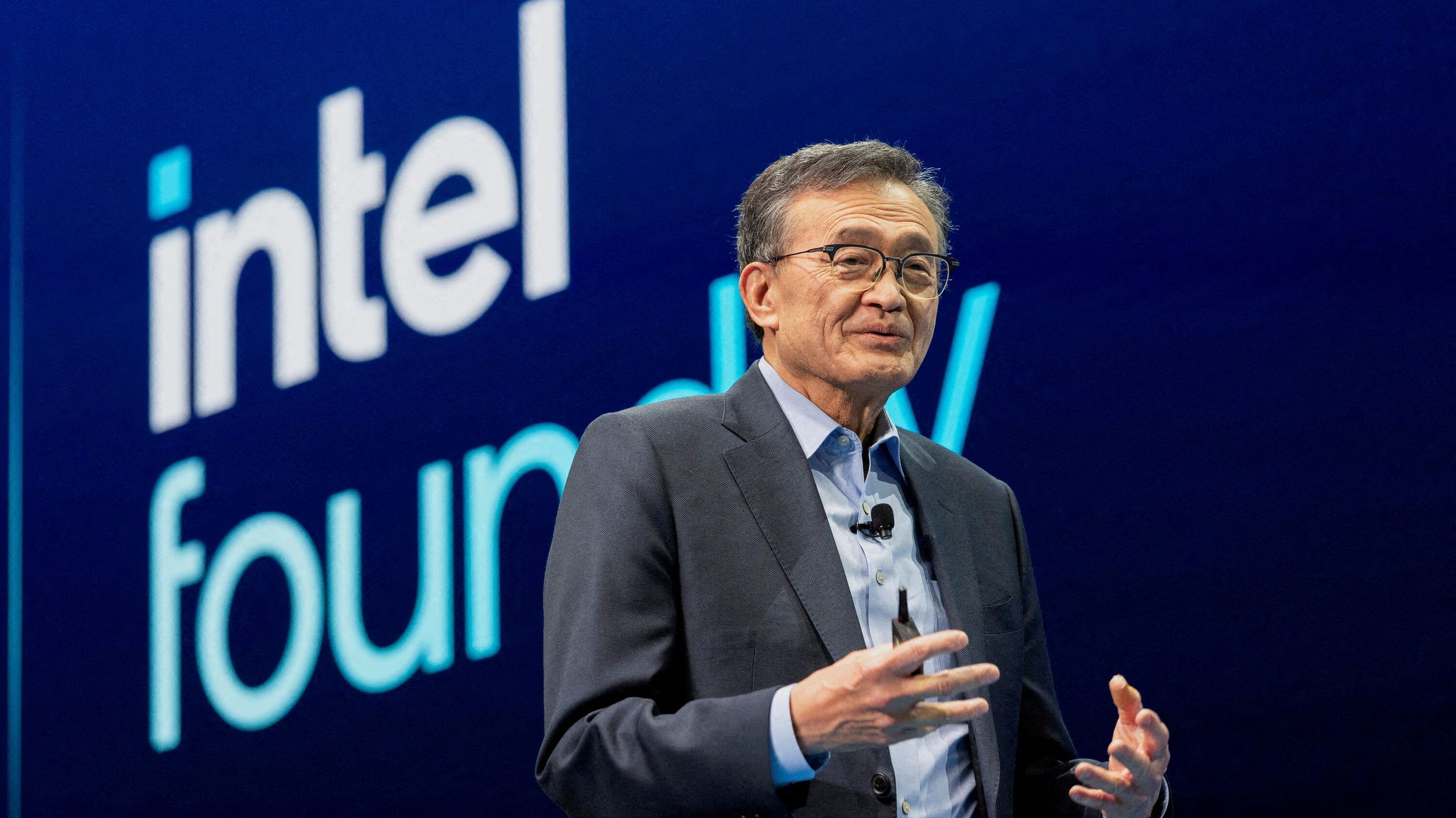
Intel CEO Lip Bu Tan believes China is closer to the United States in semiconductor manufacturing capabilities than many industry observers assume, despite export restrictions preventing Chinese chipmakers from accessing advanced Extreme Ultraviolet (EUV) lithography equipment. His remarks come as China accelerates development of domestic semiconductor manufacturing technologies, including a recently unveiled EUV light source prototype.
Speaking in an interview with Nikkei Asia, Tan was asked whether China could catch up with the United States in advanced semiconductor manufacturing within the next 5 to 10 years. His response suggested that China's technological capabilities may already be closer than expected.
"Today, I think it's not that far behind.”
— Quote by: Lip Bu Tan, Intel CEO
Tan emphasized that semiconductor companies possess different technological strengths and weaknesses, regardless of their country of origin. However, his assessment does not mean Chinese foundries have achieved manufacturing parity with Intel or Taiwan's TSMC, particularly in the most advanced production nodes.
China remains unable to purchase ASML's commercial EUV lithography systems under Dutch export controls, while additional restrictions affect selected advanced Deep Ultraviolet (DUV) equipment. Chinese manufacturers have continued developing advanced chips through DUV multiple patterning, although the additional processing steps introduce challenges involving manufacturing costs, production yields, and efficiency.
Recent developments illustrate China's efforts to overcome these limitations. Shanghai based startup Langdao Silex recently unveiled an EUV light source prototype featuring more than 15 W of claimed output power, over 100 hours of continuous operation, and approximately 90% domestically sourced components. According to TrendForce, the company expects another 3 to 5 years of development before the technology reaches commercial production.
The distinction between an EUV light source and a complete lithography system is important. ASML's early commercially viable EUV systems used approximately 250 W sources, while Langdao's prototype was not demonstrated operating publicly. Its output measurement location has also not been disclosed, preventing a direct performance comparison. A complete scanner additionally requires highly precise optics, wafer positioning, contamination control, and reliable operation across large production volumes.
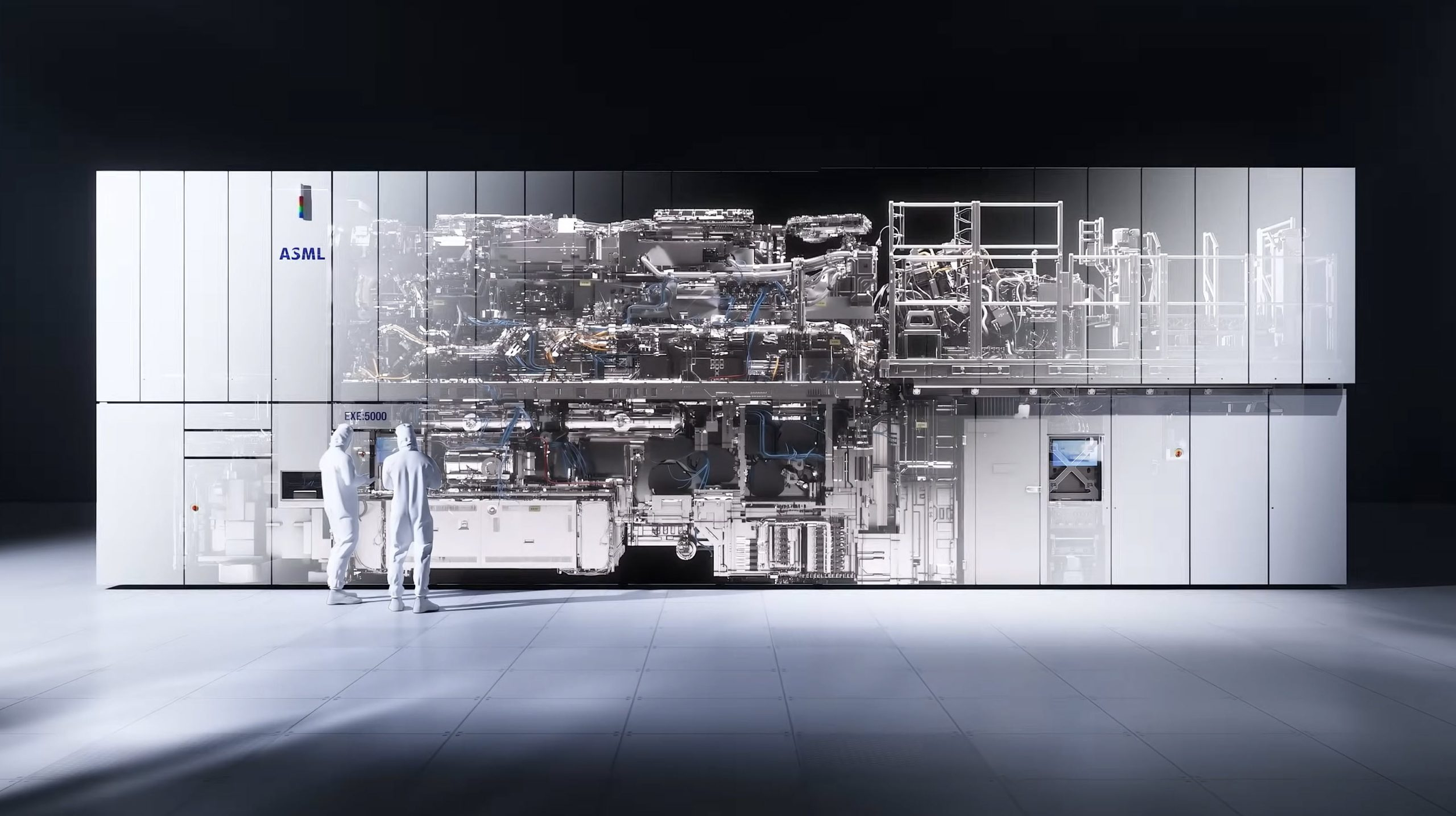
These developments follow ASML's warning that tighter DUV export restrictions could accelerate China's domestic semiconductor equipment industry, potentially encouraging investment in alternatives to foreign manufacturing technology.
Beyond China's progress, Tan discussed Intel's restructuring efforts, describing the process as approximately 80% complete. He acknowledged that rebuilding Intel's foundry business into a competitive alternative to TSMC will require substantial investment, government support, and time. Tan pointed to TSMC's development over approximately 10 to 20 years as an example of the long term commitment needed to establish a leading semiconductor foundry.
For now, China's progress in semiconductor equipment and manufacturing remains significant, but commercially competitive domestic EUV lithography has yet to be demonstrated. The industry's next major milestone will be transitioning laboratory achievements into reliable manufacturing equipment capable of supporting advanced chip production at scale.
Lip Bu Tan's comments highlight an important distinction between technological progress and commercial manufacturing leadership. China has made meaningful advances in semiconductor equipment development, but matching the performance, precision, and production efficiency of established manufacturers requires more than demonstrating individual technologies.
The domestic EUV light source is an interesting achievement, although its limited output illustrates the engineering challenges that remain. Meanwhile, China's continued investment in DUV manufacturing may offer a more immediate path toward reducing dependence on foreign equipment.
For the wider semiconductor industry, these developments could eventually influence competition in processor manufacturing, DRAM production, and AI accelerators. However, domestic manufacturing independence will ultimately depend on production yields, equipment reliability, and the ability to scale technologies economically.
Tan's assessment should therefore be viewed as a warning against underestimating China's progress, not confirmation that the technological gap has already closed.
Do you think China could develop a commercially competitive EUV lithography system within the next 5 years, or will ASML's manufacturing experience keep it ahead for considerably longer?
