
ASML Warns US DUV Restrictions Could Accelerate China's Domestic Chipmaking Technology
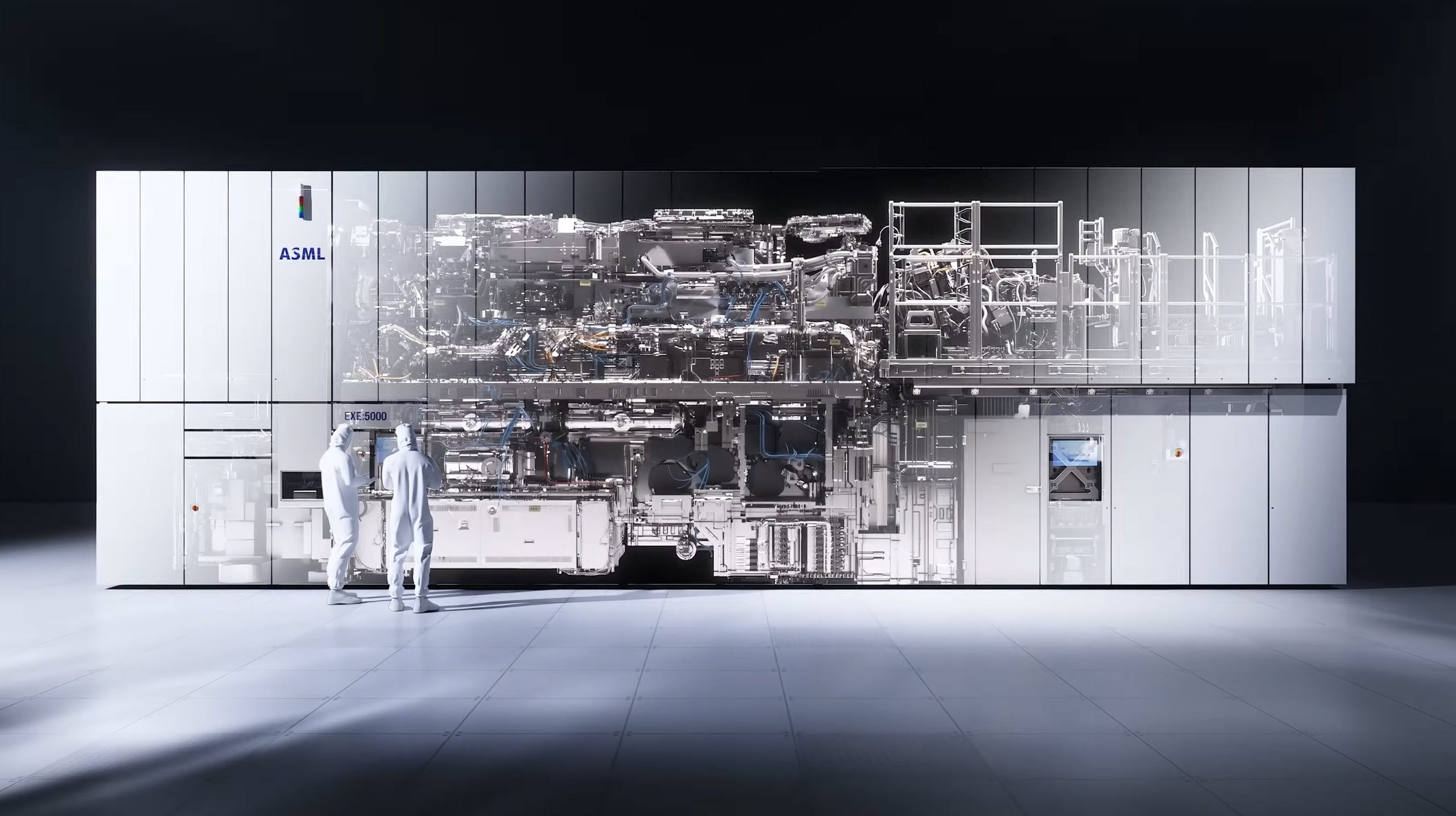
Dutch semiconductor equipment manufacturer ASML has warned that additional US restrictions on Deep Ultraviolet (DUV) lithography equipment sales to China could have unintended consequences, potentially accelerating the country's development of domestic semiconductor manufacturing technology. The warning comes as China is expected to account for approximately 20% of ASML's total revenue in 2026, making the region an important market despite existing export restrictions.
Following the company's third quarter financial results, ASML Chief Financial Officer Roger Dassen expressed concerns about the proposed US Multilateral Alignment of Technology Controls on Hardware (MATCH) Act. According to Reuters, Dassen argued that further restrictions could encourage Chinese semiconductor manufacturers to accelerate the development of competing lithography systems rather than permanently limiting their technological progress.
The proposed legislation seeks to strengthen restrictions on semiconductor manufacturing equipment exported to China, including selected advanced DUV systems and support services for restricted facilities. While China has already been prevented from purchasing ASML's Extreme Ultraviolet (EUV) equipment, DUV remains essential for manufacturing mature and advanced semiconductor products using multiple patterning techniques.
ASML CEO Christophe Fouquet also emphasized that Chinese demand for semiconductor manufacturing equipment remains strong. According to Global Times, continued investment in domestic fabrication facilities is expected to sustain equipment demand through 2027 and beyond, despite growing regulatory pressure.
ASML Financial Performance and China Exposure
| Financial Metric | Reported Figures |
|---|---|
| Q3 2026 Revenue | €11.7 billion |
| Q3 2026 Net Income | €5.0 billion |
| Q3 Gross Margin | 57.5% |
| Full Year 2026 Revenue Forecast | €44 billion to €45 billion |
| China's Expected Revenue Contribution | Approximately 20% |
| Equipment Capacity Outlook | Demand expected to exceed planned supply through 2028 |
Financial MetricReported FiguresQ3 2026 revenue€11.7 billionQ3 2026 net income€5.0 billionQ3 gross margin57.5%Full year 2026 revenue forecast€44 billion to €45 billionChina's expected revenue contributionApproximately 20%Equipment capacity outlookDemand expected to exceed planned supply through 2028
According to ASML's official financial results, demand from AI infrastructure continues driving substantial growth. The company is investigating additional manufacturing capacity for 2028 beyond its previously planned 30% expansion, as major semiconductor customers increase their equipment forecasts.
Meanwhile, China is accelerating investment in domestically developed lithography equipment. Manufacturers including Shanghai Aishengna and Yuliangsheng are developing immersion DUV systems intended to reduce dependence on foreign suppliers. As previously detailed in CXMT's access to domestically manufactured DUV equipment, early production remains limited, with Chinese systems still facing significant challenges involving overlay accuracy, throughput, reliability, and manufacturing yields.
Chinese industry analysts expect domestic lithography equipment to become more competitive between 2028 and 2030. However, these forecasts do not establish that Chinese manufacturers will match ASML's commercial capabilities within that timeframe. The Dutch company continues advancing its EUV and High NA EUV technologies, maintaining a substantial technological advantage.
The potential impact on ASML also requires perspective. Although China represents approximately 20% of projected 2026 revenue, that does not mean the entire contribution is at risk. Restrictions would affect particular equipment categories, customers, and services, while growing demand elsewhere could offset some lost business. The MATCH Act also remains proposed legislation rather than an enacted restriction.
ASML's warning highlights a fundamental challenge with semiconductor export restrictions. Limiting access to advanced manufacturing equipment can slow technological development in the short term, but it can also encourage substantial investment in alternative domestic supply chains.
China's development of immersion DUV systems demonstrates this effect. Although current domestic equipment remains behind ASML in manufacturing maturity, increased government support, capital investment, and customer demand could gradually reduce dependence on foreign suppliers.
For the global semiconductor industry, the implications extend beyond lithography. Equipment availability directly influences production expansion for DRAM, NAND, processors, and other components essential to gaming PCs and AI infrastructure.
The most important question is whether restrictions will preserve ASML's technological advantage over the long term or accelerate the development of competitors that could eventually challenge its position in the Chinese market.
Do you believe tighter semiconductor export restrictions will slow China's technological progress, or will they accelerate the development of competitive domestic alternatives to ASML?
