
GMKtec EVO X5 Pro Packs Ryzen AI MAX Plus PRO 495 and 192 GB Memory for 300B Local AI
GMKtec has introduced the EVO X5 Pro, its new flagship compact AI workstation powered by AMD’s Ryzen AI MAX Plus PRO 495 and equipped with 192 GB of unified memory. the system is designed around demanding professional and local AI workloads, with GMKtec positioning it as a significantly more capable successor to systems such as the EVO X3.
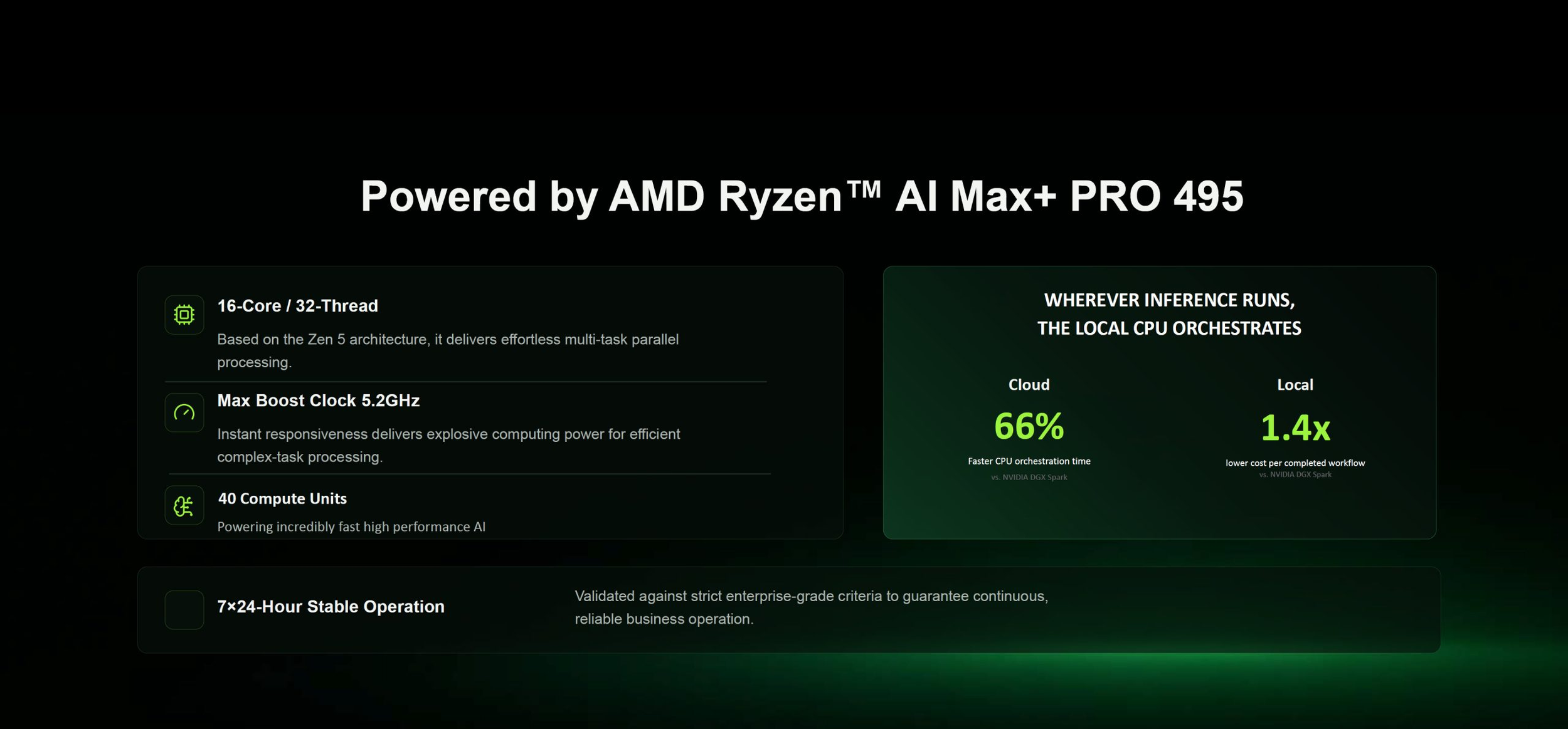
At its core is AMD’s Ryzen AI MAX Plus PRO 495, the flagship processor in the Ryzen AI MAX 400 family. The Gorgon Halo processor combines 16 Zen 5 CPU cores and 32 threads with boost frequencies reaching 5.2 GHz, 80 MB of total cache, and a configurable power range from 45 W to 120 W. Graphics are handled by the Radeon 8065S with 40 RDNA 3.5 Compute Units operating at up to 3000 MHz, while the XDNA 2 NPU delivers up to 55 TOPS. AMD rates total platform AI performance at up to 131 TOPS.
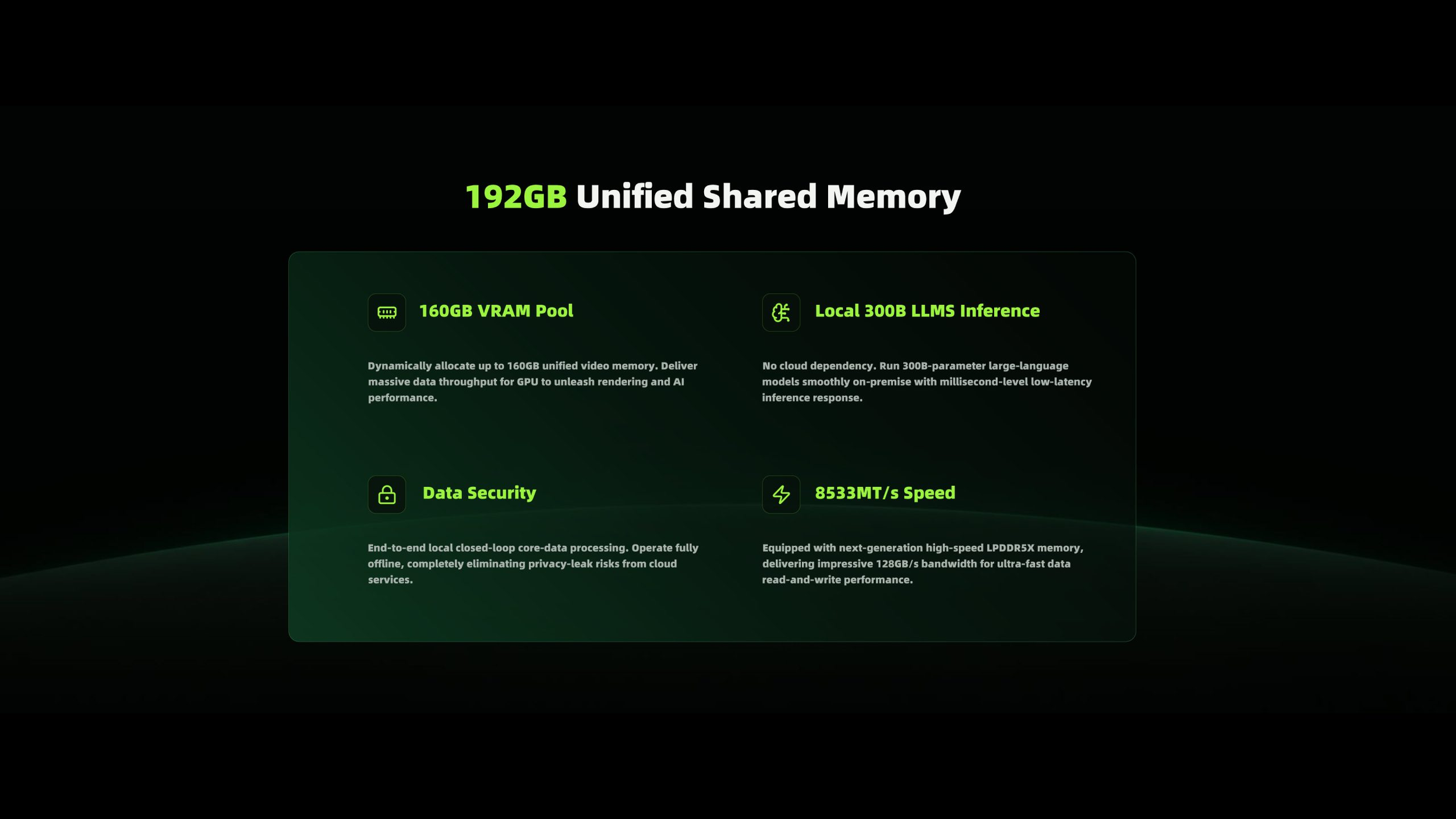

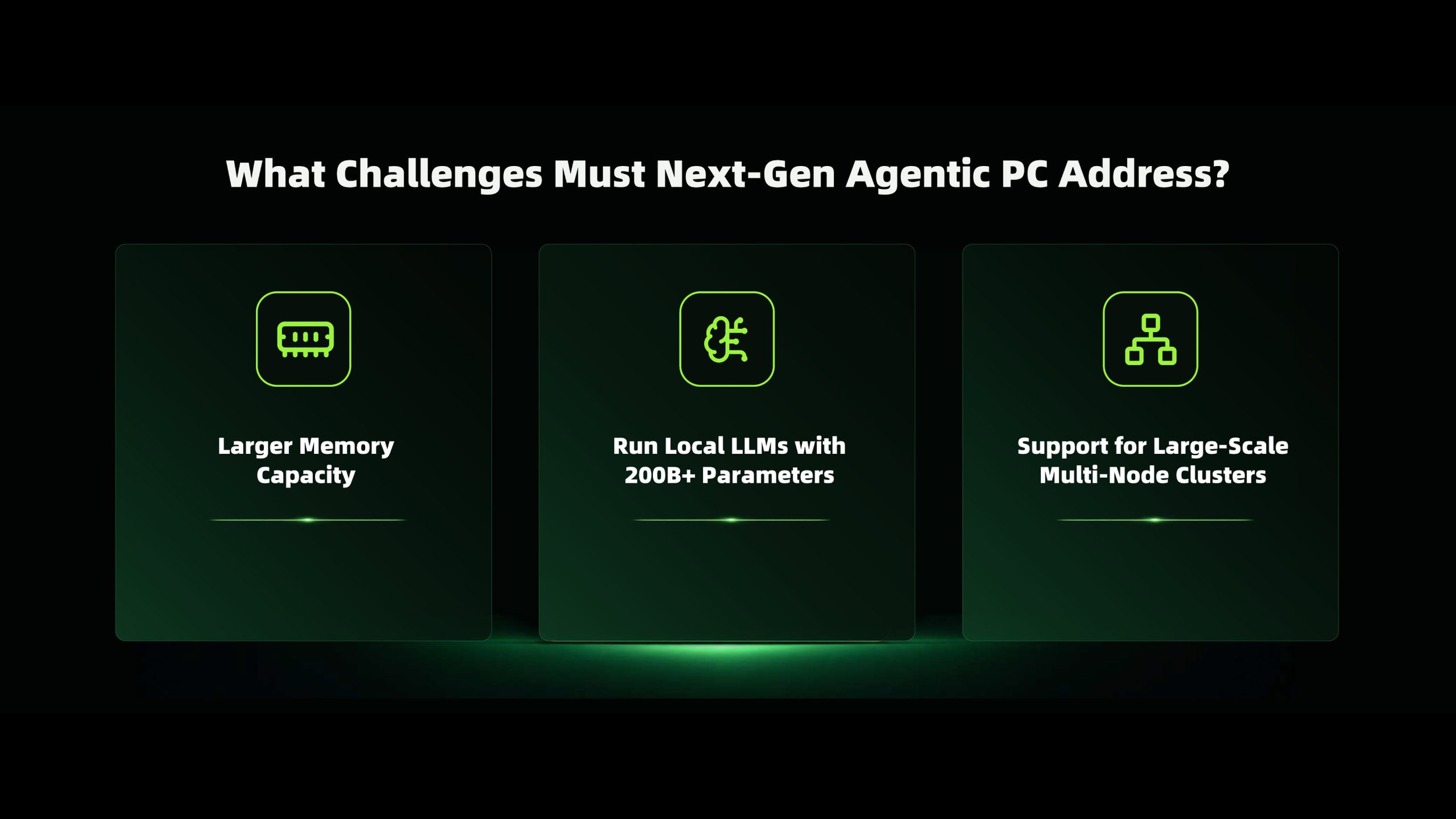
The biggest upgrade is memory. EVO X5 Pro includes 192 GB of LPDDR5X 8533 unified memory, with as much as 160 GB configurable for graphics workloads. AMD states that this allocation is sufficient to run models exceeding 300B parameters using 4 bit quantization, giving compact Ryzen AI MAX systems access to workloads that traditionally require discrete accelerators with extremely large VRAM pools. Similar 192 GB configurations are already appearing in systems such as the MINISFORUM MS S1 MAX P495 and ACEMAGIC F9A.

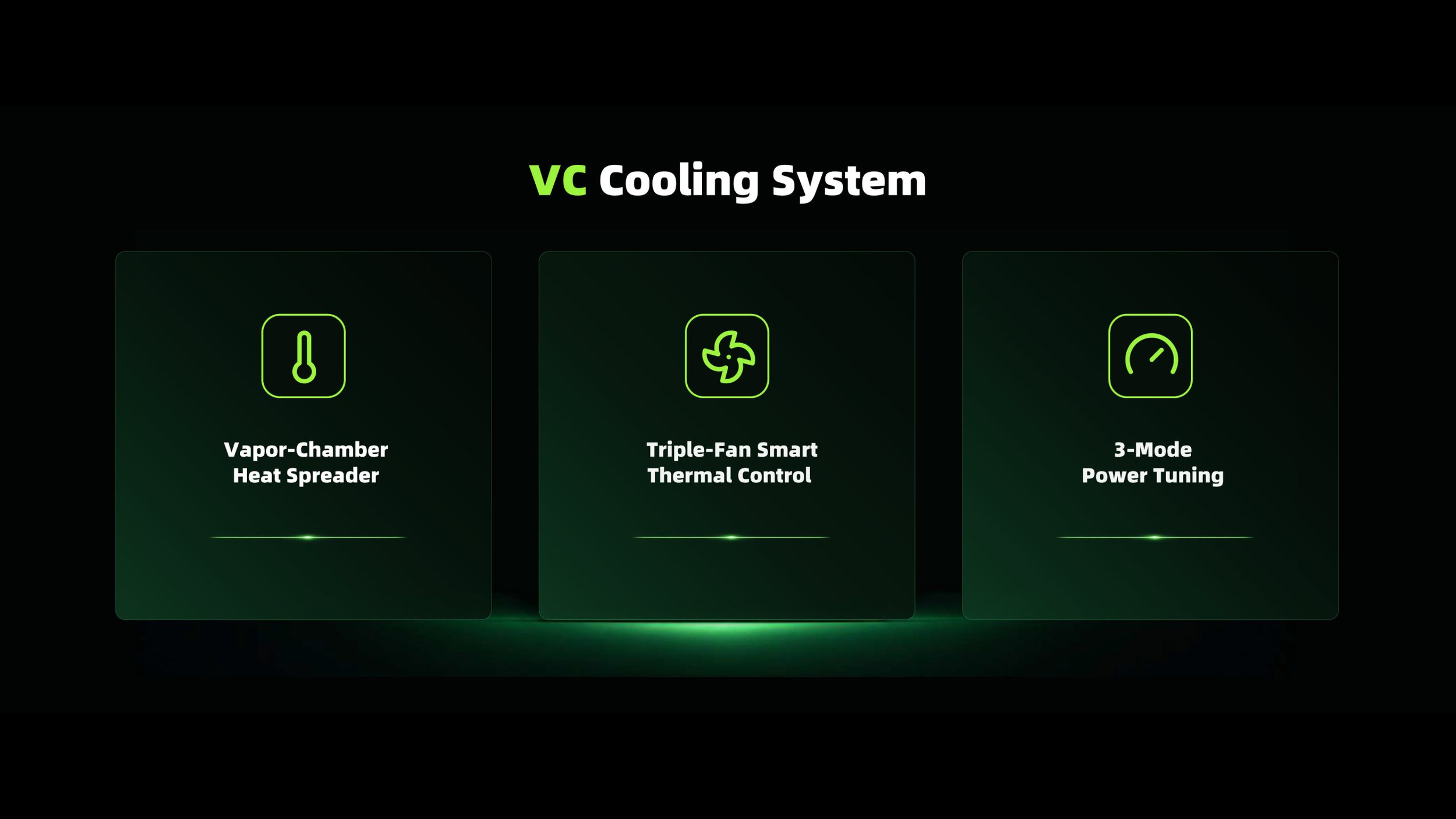
Storage capacity reaches 24 TB through 3 M.2 2280 PCIe 4.0 slots supporting drives up to 8 TB each. Connectivity includes 2 front USB4 ports, 2 rear USB4 v2 ports with external GPU support, dual 10 GbE networking, USB 3.2, HDMI, and support for 8K display output. GMKtec also says the USB4 v2 connections can be used to link multiple EVO X5 Pro systems for clustered workloads. Cooling is handled by a vapor chamber design paired with 3 fans and intelligent thermal control.
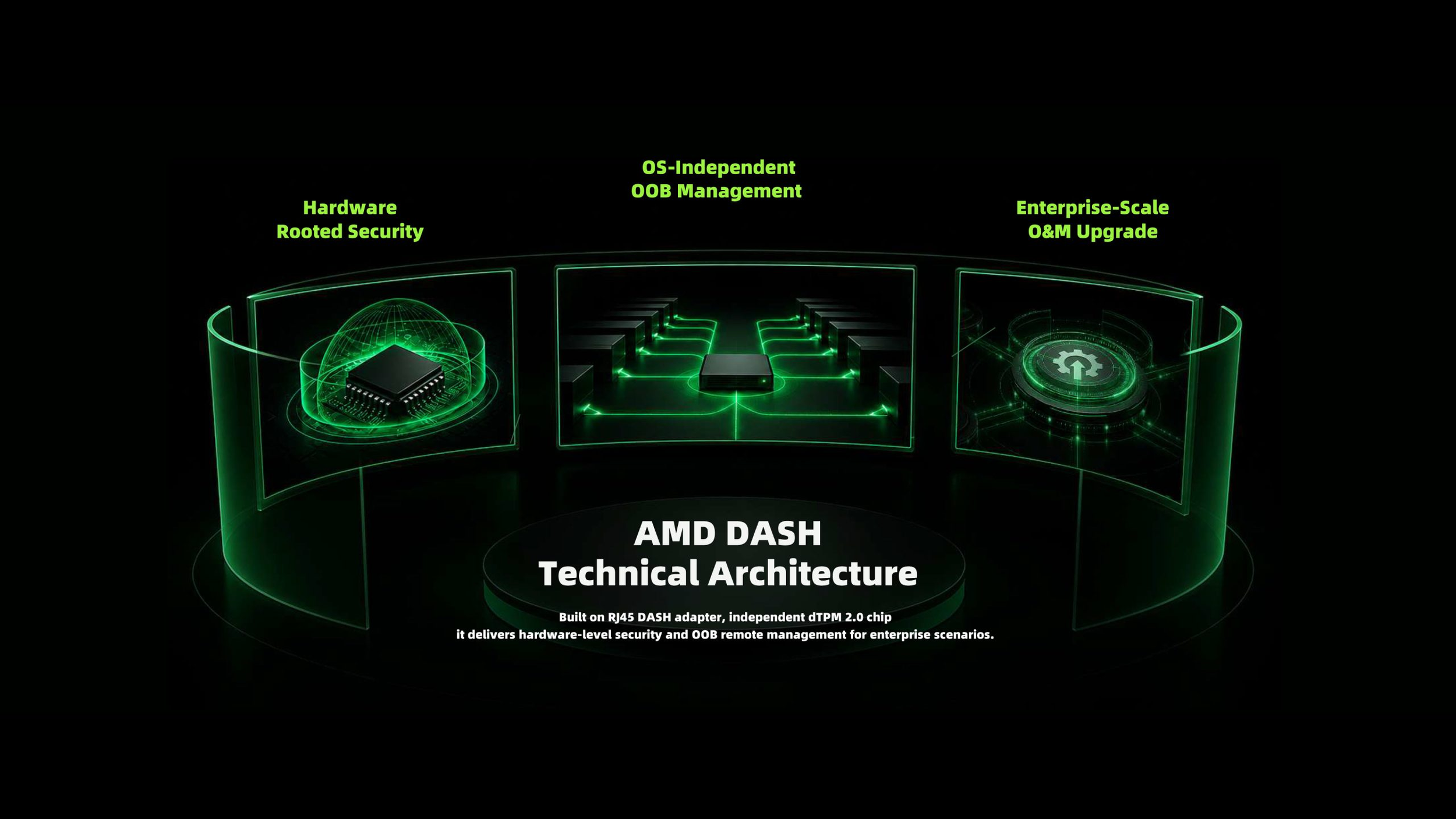
On the software and enterprise side, the workstation includes GMKtec Claw for local AI agent workloads, AMD DASH remote management support, and a dedicated dTPM 2.0 security chip. GMKtec also claims the EVO X5 Pro can provide 66% faster CPU orchestration and 40% lower cost per completed AI workflow compared with NVIDIA DGX Spark, although independent testing will be required to validate those figures across comparable models and workloads. Pricing has not yet been announced, with availability planned for October 2026.
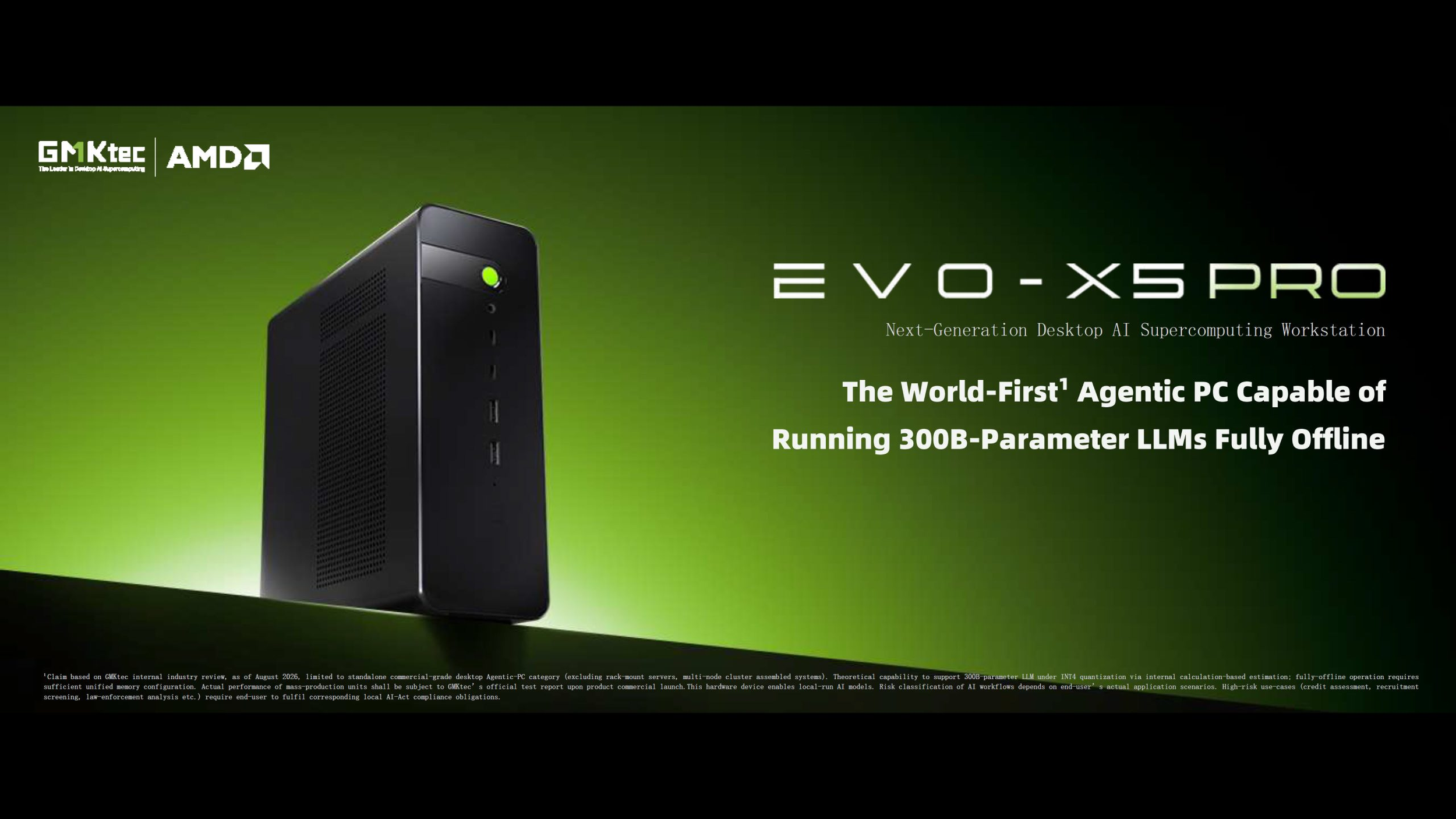
The most important specification here is not 131 TOPS. It is the 192 GB unified memory pool and the ability to give the Radeon 8065S up to 160 GB. Local AI increasingly hits memory capacity limits before raw compute becomes the primary problem, and Ryzen AI MAX Plus PRO 495 is giving compact workstations access to capacities normally associated with far larger professional systems. The real test will be inference speed, sustained thermals, power consumption, and pricing when the EVO X5 Pro reaches the market in October.
Would 192 GB of unified memory make a Ryzen AI MAX workstation attractive for your local AI workloads, or would you still prefer a system built around a dedicated NVIDIA or AMD accelerator?
