
CXMT Orders Huawei Linked Engineers Out of R&D Facility Amid Memory Price Dispute
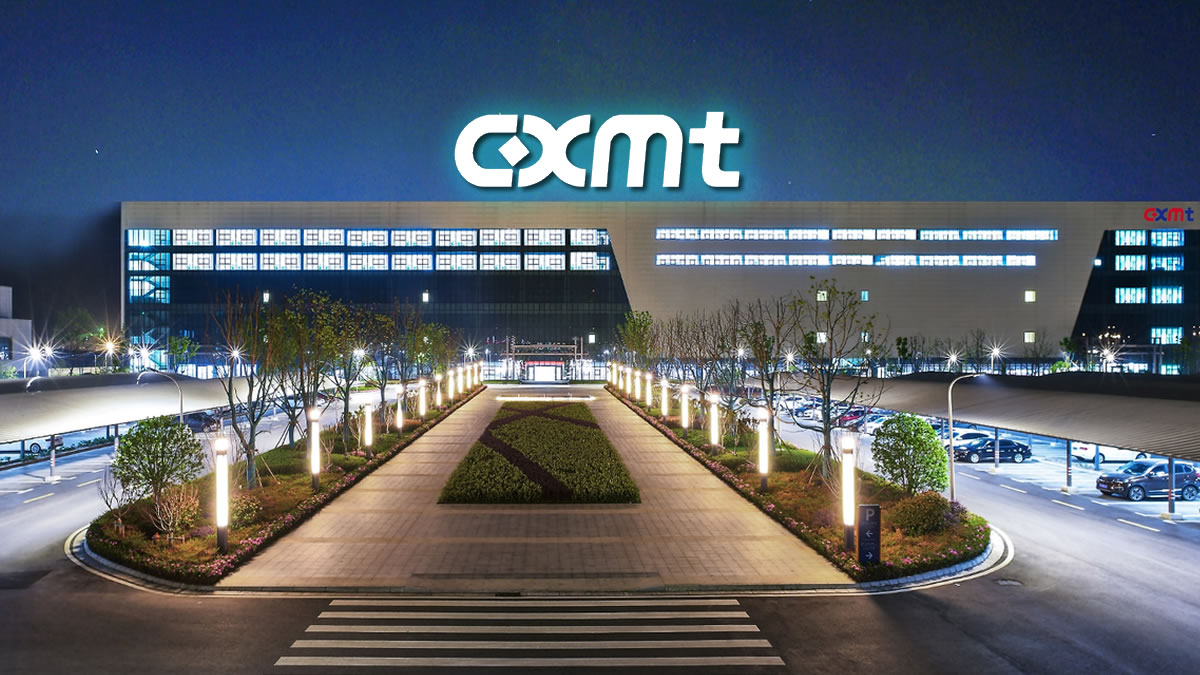
China’s expanding memory shortage has reportedly created an unusual power struggle between ChangXin Memory Technologies and Huawei, with CXMT ordering engineers from Huawei linked equipment supplier SiCarrier to leave its core research facility following months of disagreement over DRAM pricing.
According to Reuters, CXMT had repeatedly increased memory prices for Huawei and refused requests to reduce the escalating costs. The conflict intensified in June when SiCarrier engineers working inside cleanrooms at CXMT’s research and development zone in Hefei were told without prior warning to collect their equipment and leave the factory floor.
SiCarrier has close strategic ties to Huawei and had been assisting CXMT with equipment maintenance. Executives at the supplier reportedly concluded that the removal was connected to the wider commercial dispute between CXMT and Huawei. The companies continue doing business, but the engineers had not been permitted to return to the research zone at the time of the report. CXMT, Huawei, and SiCarrier did not respond publicly to questions about the incident.
The confrontation illustrates how dramatically China’s semiconductor market has changed during the artificial intelligence infrastructure boom. CXMT has become the world’s fourth largest DRAM manufacturer, while Yangtze Memory Technologies has established itself as a major NAND Flash producer. Both companies spent years depending on government investment while competing primarily through lower prices, but limited supply and rapidly expanding data center demand have now given them considerably greater negotiating power.
Reuters reports that CXMT and YMTC are increasingly selecting customers according to order value and strategic importance. In some cases, Chinese buyers are paying more for domestic memory than they would for comparable products from Samsung or SK hynix. CXMT was recently charging more than Samsung’s approximately US$1,240 price for a comparable 64 GB DDR5 server memory module, although its exact price was not disclosed.
Several Chinese electronics companies have reportedly complained to the Ministry of Industry and Information Technology about rising memory prices, claiming that the increases have delayed product launches. Chinese authorities have also warned against intentionally withholding inventory to push prices higher, while government purchasing policies continue directing state owned companies toward domestic suppliers.
CXMT’s improved position is also visible through its major commercial agreements. The company reportedly signed a five year memory supply deal worth more than US$7 billion with ByteDance during July, following an agreement exceeding US$3 billion with Tencent in June. These commitments give CXMT strong demand visibility while global buyers compete for limited DRAM capacity.
The company generated approximately US$7.5 billion in revenue during Q1 2026, representing an increase of 719% compared with the previous year. It also completed an US$8.6 billion public offering to fund additional manufacturing, research, DDR5 development, and its attempt to establish a competitive Chinese HBM supply chain.
Apple is also reportedly seeking US government approval to purchase CXMT memory as rising component costs place additional pressure on its products. This does not confirm a supply agreement, but it demonstrates how important alternative memory sources have become even for the world’s largest technology companies.
CXMT is expanding beyond domestic value products. Its DDR5 chips have appeared inside selected Corsair Vengeance memory modules, while recent overclocking demonstrations have pushed CXMT based DDR5 to 8800 MT/s. These developments suggest the company is becoming a more credible supplier across consumer, server, and performance memory markets.
The dispute does not necessarily mean CXMT has become hostile toward Huawei or abandoned China’s broader semiconductor objectives. It shows that national technology alignment does not eliminate commercial competition when supply becomes limited and customers require enormous volumes.
CXMT now has the ability to prioritize the buyers offering the largest commitments, but its current pricing power may not last indefinitely. New factories in Shanghai and Hefei could more than double production capacity, potentially introducing additional supply from 2027 onward. Stronger output from Samsung, SK hynix, Micron, and other Chinese manufacturers could also reduce the imbalance.
The SiCarrier incident is therefore an important signal. China’s memory manufacturers are no longer operating only as subsidized alternatives seeking customers. During the current shortage, they have become strategic suppliers capable of challenging even Huawei during contract negotiations.
Should Chinese memory manufacturers prioritize domestic technology companies such as Huawei, or sell limited supply to whichever customer offers the strongest commercial terms?
