
CXMT 64GB Server DDR5 Memory Now Costs More Than Samsung as Capacity Expansion Accelerates
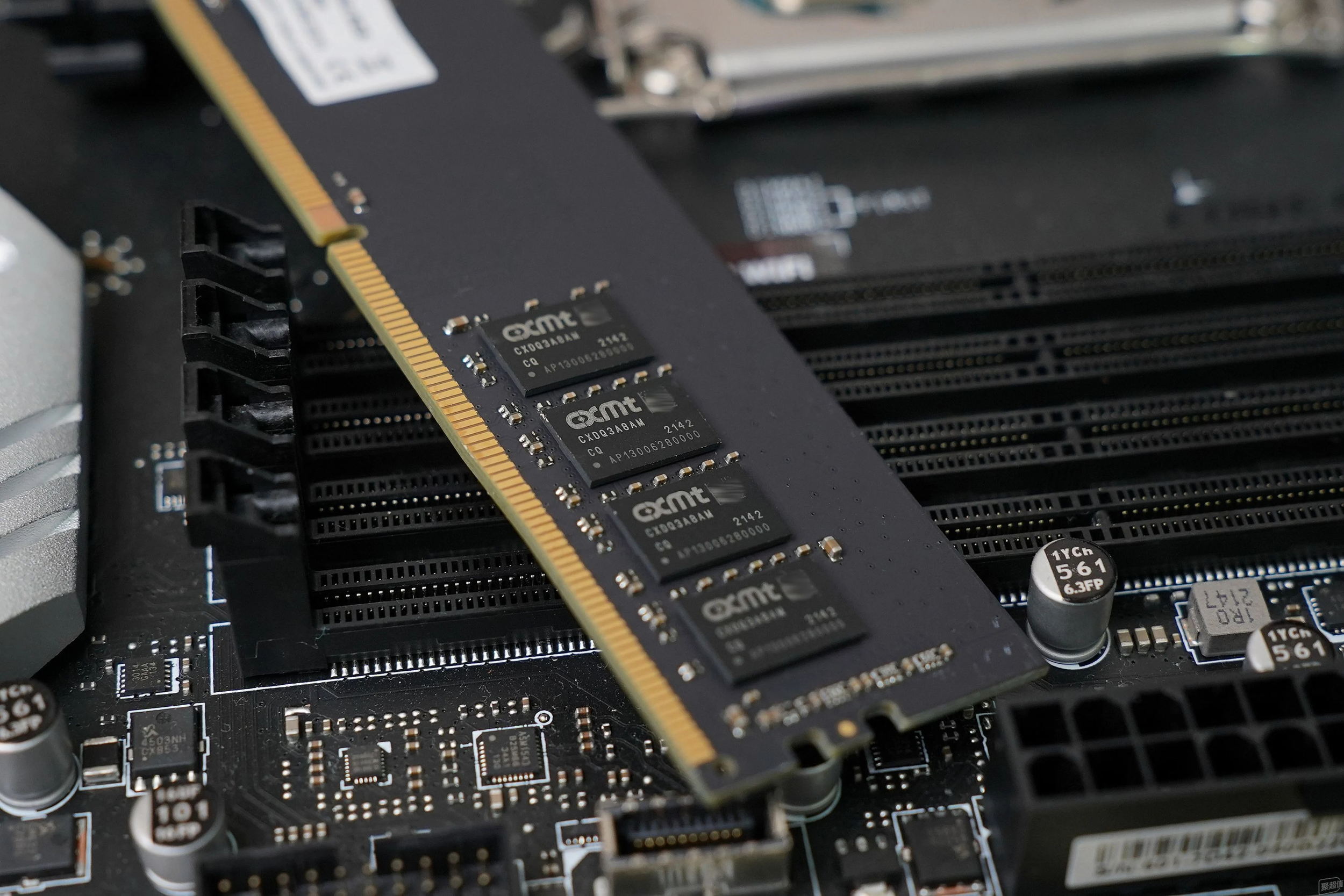
Chinese memory manufacturer ChangXin Memory Technologies is demonstrating that its rise is no longer based only on lower prices. Supported by surging artificial intelligence demand and constrained global DRAM supply, CXMT has gained enough market leverage to charge more than established competitors for selected server memory products.
According to a Reuters report on China’s expanding memory industry, CXMT has recently priced comparable 64GB DDR5 server memory modules above the approximately $1,240 per unit price charged by Samsung. The precise CXMT price was not disclosed, but the comparison represents a major shift for a company that was previously viewed primarily as a lower cost domestic alternative to Samsung, SK hynix, and Micron.
CXMT and Chinese NAND manufacturer YMTC are also becoming more selective about their customers and negotiating supply agreements from a much stronger position. Domestic demand from artificial intelligence companies, cloud providers, smartphone manufacturers, and state supported enterprises has allowed both companies to prioritize strategic clients while raising prices during the continuing memory shortage.
The changing balance of power reportedly contributed to a confrontation between CXMT and Huawei. Engineers from SiCarrier, an equipment supplier with close links to Huawei, had been assisting with equipment maintenance inside CXMT’s research and development clean rooms in Hefei. Reuters reported that CXMT unexpectedly ordered the engineers to collect their tools and leave the facility after Huawei had repeatedly challenged the memory manufacturer over rising prices. SiCarrier executives reportedly concluded that the removal was connected to the commercial dispute, although the companies continue doing business.
This pricing strength is arriving alongside one of the most aggressive manufacturing expansions in the memory industry. CXMT is constructing new fabrication facilities in Shanghai and Hefei, while discussions for an additional site are also reportedly underway. Once the projects are operational, monthly production capacity could increase to more than 600,000 wafers. One source cited by Reuters suggested that this output could allow CXMT to surpass Micron in production volume by 2030, although reaching that target will depend on equipment access, manufacturing yields, and the successful ramp of more advanced DRAM processes.
The expansion follows CXMT’s $8.6 billion public offering and broader DRAM investment strategy. The funding is expected to support additional DDR5 and LPDDR5 production while accelerating development in advanced memory technologies, including high bandwidth memory and bonded DRAM.
CXMT is reportedly testing Wafer to Wafer Hybrid Bonding through a pilot production line in Hefei. This architecture manufactures the memory cell array and control logic on separate wafers before vertically bonding them together. The approach could improve density, bandwidth, latency, and energy efficiency while providing an alternative path toward more advanced DRAM without relying entirely on the same manufacturing techniques used by established global competitors.
CXMT technology is also beginning to appear beyond the Chinese domestic market. A Corsair Vengeance DDR5 module was recently spotted using CXMT DRAM, showing that its silicon is becoming viable for globally recognized consumer memory products. The company is simultaneously securing large server supply agreements, including a multiyear deal with Tencent valued at approximately $3 billion.
Apple is also reportedly evaluating CXMT memory for products sold in China and has sought assurances from the Trump administration that CXMT will not be added to the United States Department of Commerce Entity List. Placement on that list would require American companies to obtain licenses before supplying certain technology or conducting covered transactions with the manufacturer.
CXMT charging more than Samsung for comparable server DDR5 is a stronger market signal than another capacity announcement. It shows that Chinese DRAM is transitioning from a value focused alternative into strategically important infrastructure during an industry wide shortage.
However, production volume alone will not place CXMT beside Samsung, SK hynix, and Micron. The decisive benchmarks will be DDR5 yield consistency, advanced packaging capability, server qualification, long term reliability, and competitive HBM production. CXMT has gained pricing power, capital, and domestic demand. Its next challenge is proving that it can convert those advantages into sustained technological leadership.
Could CXMT become the fourth major global DRAM supplier, or will manufacturing restrictions and advanced memory challenges protect the current market leaders?
