
UBS Sees Micron DRAM Gross Margin Reaching 95% as HBM Complexity Weighs on Profitability
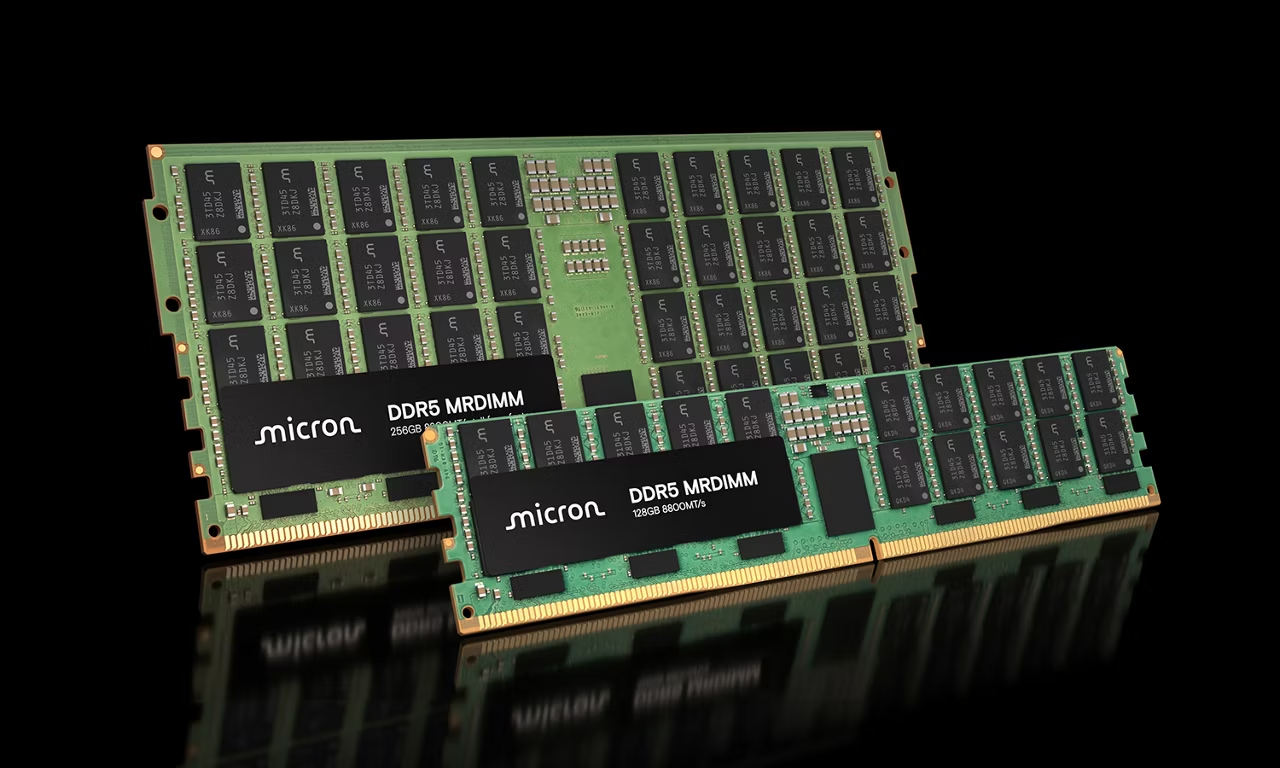
General purpose DRAM could remain an even stronger profit engine for Micron than High Bandwidth Memory despite the enormous demand surrounding AI accelerators. According to UBS research reported by Commercial Times, Micron's estimated gross margin on general purpose DRAM has risen sharply from approximately 44% in 2025 to around 80% during early 2026, with UBS projecting it could reach 95% during 2027 before remaining near 93% through much of 2028. These figures are analyst estimates rather than official Micron guidance.
The comparison with HBM is particularly notable. UBS reportedly estimates Micron's HBM gross margin at approximately 75% to 78% during 2027, still exceptionally profitable but below the projected level for conventional DRAM. The difference partly reflects the manufacturing complexity of HBM, which requires multiple DRAM dies to be vertically stacked and interconnected before becoming part of an AI accelerator package. Micron describes HBM as a 3D stacked SDRAM architecture using thousands of through silicon vias and microbumps to create an extremely wide memory interface.
HBM also consumes considerably more manufacturing capacity for every bit produced. Micron previously disclosed that HBM carries approximately a 3 to 1 capacity trade ratio compared with DDR5, with that ratio expected to increase further with future HBM generations. This means expanding HBM output can simultaneously restrict the supply of conventional DRAM, contributing to tighter availability and stronger pricing across server, PC, mobile, and other memory markets.
That pressure is already visible in Micron's financial performance. The company reported 41.46 billion dollars in revenue for fiscal Q3 2026 with a non GAAP gross margin of 84.9%, compared with 39% during the same quarter 1 year earlier. Micron is guiding for an overall gross margin of approximately 86% during fiscal Q4 2026, reinforcing just how dramatically the current memory cycle has shifted in favor of suppliers.
Micron is not reducing its HBM ambitions despite the potential margin advantage of conventional DRAM. HBM4 is already in high volume shipment for its lead customer platform, while HBM4E is expected to enter volume production during 2027. UBS estimates Micron's quarterly HBM shipments could grow from approximately 0.1 EB in early 2025 to 0.43 EB by late 2027, demonstrating why HBM remains strategically critical even if conventional DRAM currently offers stronger estimated margins.
The balance between the 2 markets is becoming increasingly important as customers compete for limited production. Major memory manufacturers have already secured billions of dollars through long term supply commitments, with the broader market accumulating approximately 38 billion dollars in customer advance payments and commitments as companies secure access to future memory production. That increasingly supplier controlled environment was examined in the wider DRAM market outlook through 2029, while companies including Tesla have already moved to secure significant Micron memory allocation as availability becomes strategically important.
HBM may dominate the AI hardware conversation, but conventional DRAM is benefiting from the same AI expansion from another direction. Every wafer shifted toward HBM removes potential conventional DRAM output while AI servers simultaneously demand enormous amounts of standard server memory alongside their accelerator HBM.
A projected 95% gross margin should therefore not be interpreted as Micron abandoning HBM. The opposite is happening. HBM4 and HBM4E are becoming strategically essential products, while constrained manufacturing capacity simultaneously makes conventional DRAM extraordinarily profitable. For Micron, the strongest position may be owning both sides of that equation.
If conventional DRAM remains more profitable than HBM, should memory manufacturers prioritize additional DDR5 and server DRAM capacity, or continue shifting production toward HBM for long term AI growth?
