
Tesla Secures Significant Micron Memory Allocation as AI Demand Tightens Supply
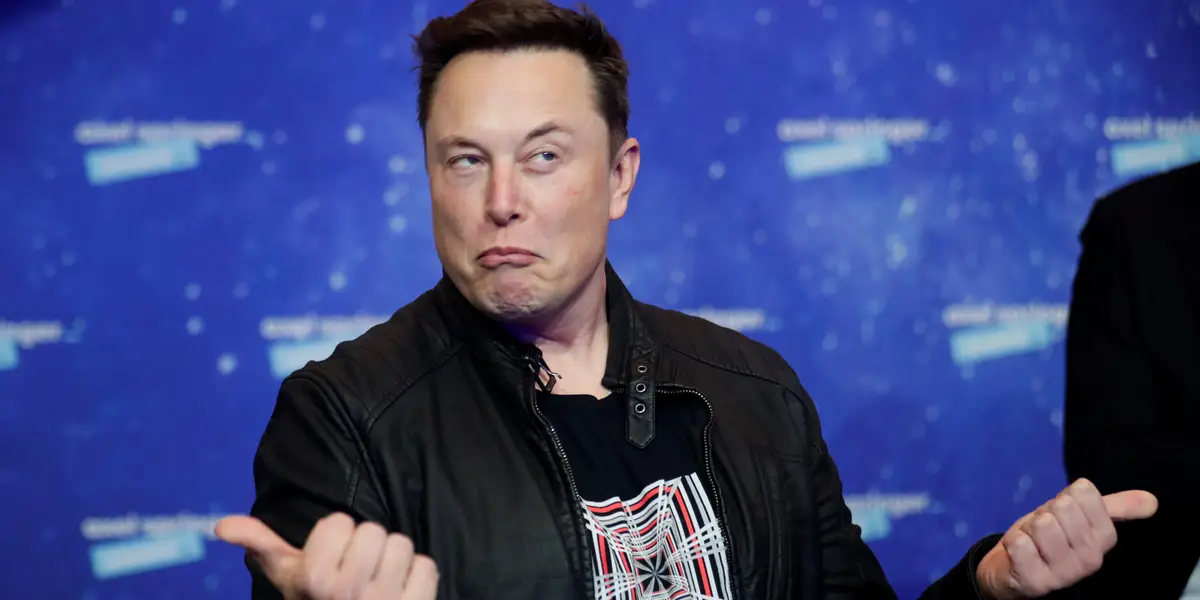
Elon Musk has publicly thanked Micron for reserving a significant amount of memory capacity for Tesla under what he described as reasonable commercial terms, highlighting how access to memory has become a strategic concern for companies expanding artificial intelligence, robotics, and autonomous computing infrastructure.
The comment was made during Tesla’s Q2 2026 earnings call while executives discussed suppliers investing in components and manufacturing capacity for Optimus and Robotaxi. Tesla said partners including Samsung, TSMC, Panasonic, and Micron are supporting its expansion, with memory becoming particularly difficult to secure as demand rises across the technology industry. The complete call is available through Tesla Investor Relations.
"I’d actually also like to thank Micron for giving us memory allocation."
— Quote by: Elon Musk
Musk said Micron must make difficult decisions when distributing its available production capacity and thanked the company for making room for Tesla over the coming years. He characterized the agreement as a very significant allocation secured on reasonable terms considering current market pricing, but neither company disclosed the memory type, volume, contract value, or delivery schedule.
The context of the discussion suggests that the supply could support multiple Tesla projects, including Optimus robots, autonomous vehicles, AI computers, and internal data center infrastructure. Tesla’s Q2 update lists Cortex 1 at more than 90 MW of compute capacity and Cortex 2 at more than 115 MW, increasing the company’s demand for servers, accelerators, networking, storage, and supporting memory.
Micron has repeatedly warned that the global memory market remains exceptionally constrained. In its fiscal Q3 2026 remarks, the company said demand created by AI data centers is driving unprecedented growth and expects DRAM and NAND supply conditions to remain tight beyond 2027. Micron also noted that customers are attempting to maximize server shipments while operating under restricted memory allocations.
The agreement therefore gives Tesla greater supply visibility during a period when manufacturers are prioritizing high value products such as HBM, advanced server DRAM, and high capacity memory. The wider shortage of memory and helium constraints across AI infrastructure, where Intel CEO Lip Bu Tan identified memory as one of the most immediate limitations facing industry expansion.
Musk did not say that Micron is providing the same pricing or allocation terms to SpaceX or xAI. SpaceX acquired xAI in February 2026, placing its Colossus infrastructure within the broader SpaceX organization, but no public announcement currently connects that operation to Tesla’s Micron agreement. Any claim that the allocation also covers SpaceX or xAI should therefore be treated as speculation rather than confirmed information.
Tesla securing long term memory capacity may be more strategically important than obtaining a temporary price reduction. Memory producers are directing additional manufacturing resources toward AI infrastructure, while vehicles, robots, consumer electronics, and conventional servers compete for the remaining supply.
The timing also reveals how Optimus is reshaping Tesla’s supplier strategy. Building millions of autonomous robots would require substantial quantities of local memory, storage, sensors, controllers, and AI processors. A guaranteed allocation from Micron could reduce one of the most significant risks facing that production roadmap.
However, reasonable terms do not necessarily mean Tesla purchased memory below market value. Without pricing, product, and volume disclosures, the primary advantage appears to be reliable access during a severe supply shortage.
Could guaranteed memory supply become more valuable than lower pricing as Tesla expands Optimus, Robotaxi, and its AI infrastructure?
