
NVIDIA CPO Timeline Holds as Coherent Targets New Optics Revenue in 2H 2026
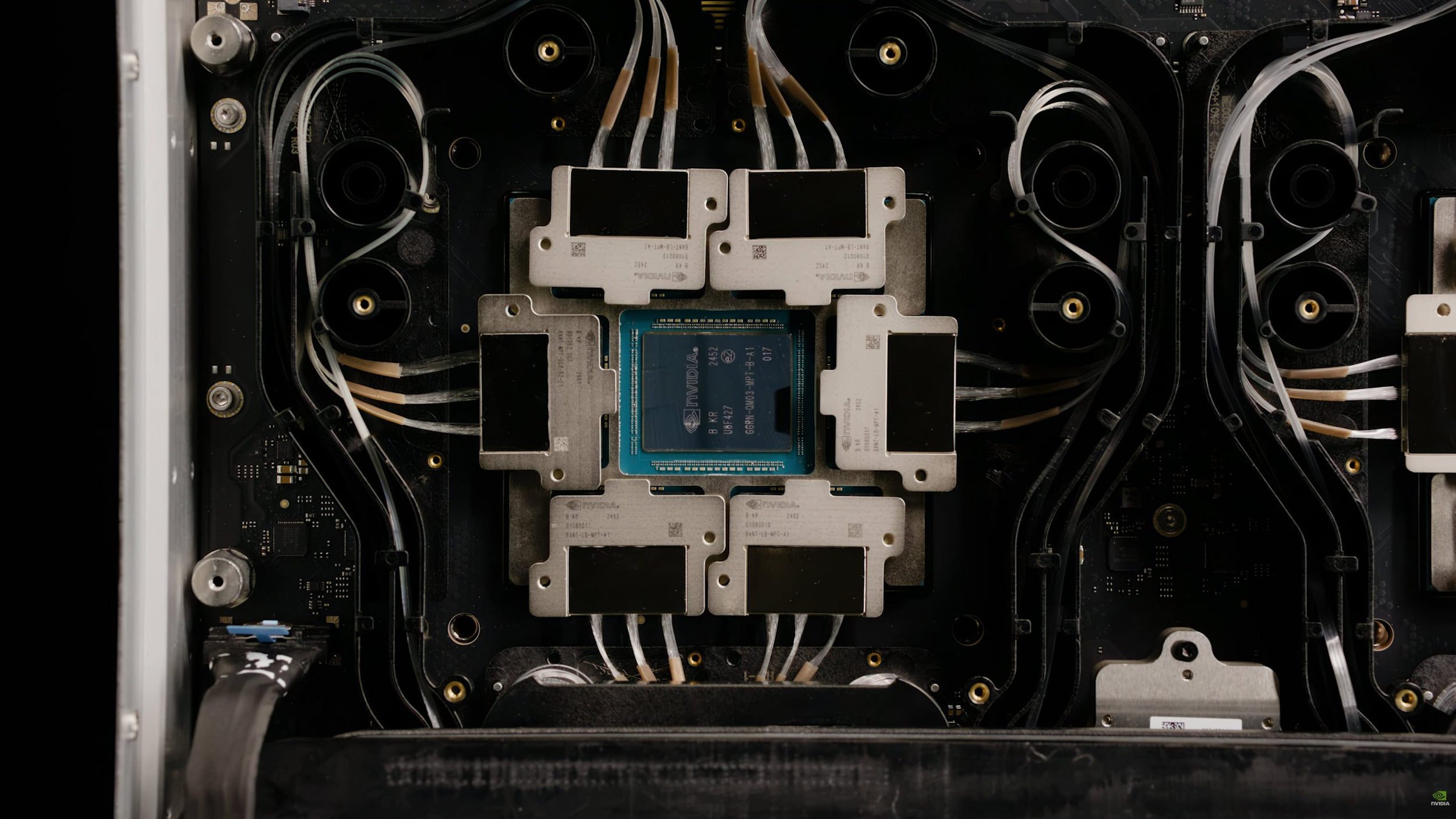
NVIDIA’s transition toward co packaged optics appears to remain firmly on schedule despite recent speculation that broader CPO deployment could face substantial delays. Coherent’s latest Q4 FY26 investor presentation explicitly places new revenue from CPO and NPO products in 2H 2026, providing one of the strongest supply chain indicators yet that commercial deployment is progressing rather than being pushed several years into the future.
Coherent identifies CPO and Near Package Optics as one of its major new growth engines alongside optical circuit switches, multi rail optical transport, and thermal solutions. The company estimates these emerging businesses will collectively add more than 20 billion$ to its addressable market by 2030. Coherent is simultaneously expanding its Data Center and Communications capacity and says it remains on track to double internal indium phosphide production by the end of 2026 before more than doubling output again during 2027. Its newer 6 inch platform is producing EMLs, continuous wave lasers, and photodiodes with higher yields than its previous 3 inch manufacturing lines.
This manufacturing expansion is directly connected to NVIDIA. Earlier in 2026, NVIDIA and Coherent announced a multiyear strategic optics partnership that includes a 2 billion$ NVIDIA investment, a multibillion dollar purchase commitment, and future access and capacity rights covering advanced laser and optical networking products. Coherent has since begun expanding its Sherman, Texas manufacturing operation, strengthening the domestic supply chain supporting the optical components required by future AI infrastructure.
"With Coherent, NVIDIA is pioneering next generation silicon photonics to enable AI infrastructure at unprecedented scale, speed and energy efficiency."
— Quote by: Jensen Huang
NVIDIA’s own product roadmap provides another important confirmation. The company currently states that Spectrum X Ethernet Photonics will be available during 2H 2026, with systems offering as much as 409.6 Tb/s of switching bandwidth. Spectrum X Photonics integrates optical engines directly alongside the networking ASIC rather than depending on traditional pluggable optical transceivers, and NVIDIA claims the architecture can provide 5x better network power efficiency, improved resiliency, and 5x longer sustained AI application runtime compared with conventional pluggable designs.
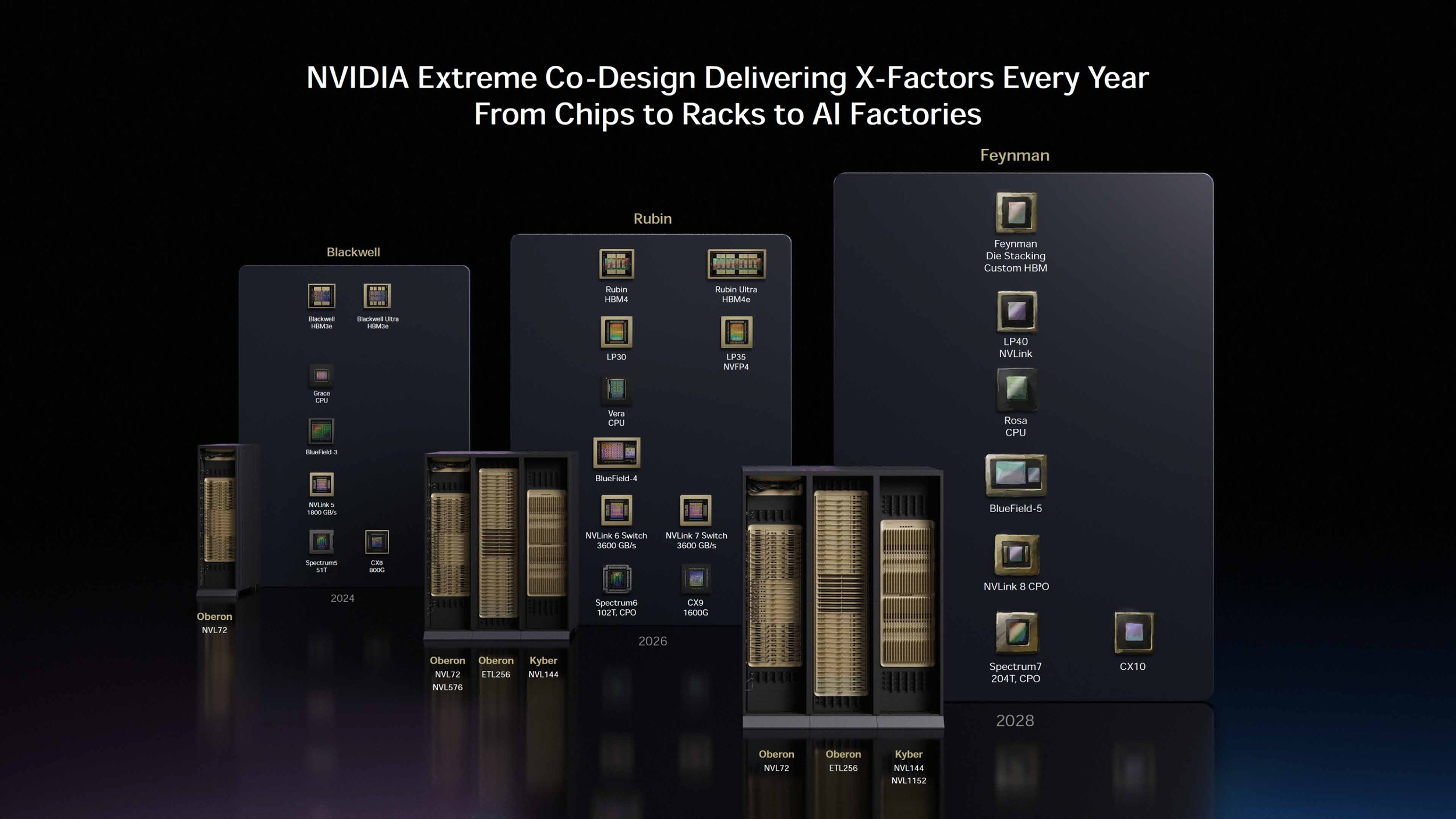
This means recent speculation suggesting NVIDIA’s entire CPO strategy had been delayed by several years does not align with the latest official roadmaps. Coherent is forecasting new CPO and NPO revenue during 2H 2026, while NVIDIA continues listing Spectrum X Ethernet Photonics for the same period. The more important distinction is where optics are being deployed first. NVIDIA is initially introducing CPO through networking switches and scale out AI fabrics rather than replacing every copper connection surrounding the GPU itself. Broader optical integration into the compute fabric remains a later step.
The transition is already moving beyond presentation slides. An early NVIDIA Quantum X InfiniBand Photonics switch has been demonstrated inside real AI infrastructure, with Lambda evaluating one of NVIDIA’s first CPO switches. The Q3450 LD provides 144 ports operating at 800 Gb/s and 115.2 Tb/s of non blocking switching capacity. Lambda reported approximately 3.05 kW lower switch power consumption compared with a conventional configuration, demonstrating why CPO becomes increasingly valuable as AI clusters scale across thousands of accelerators.
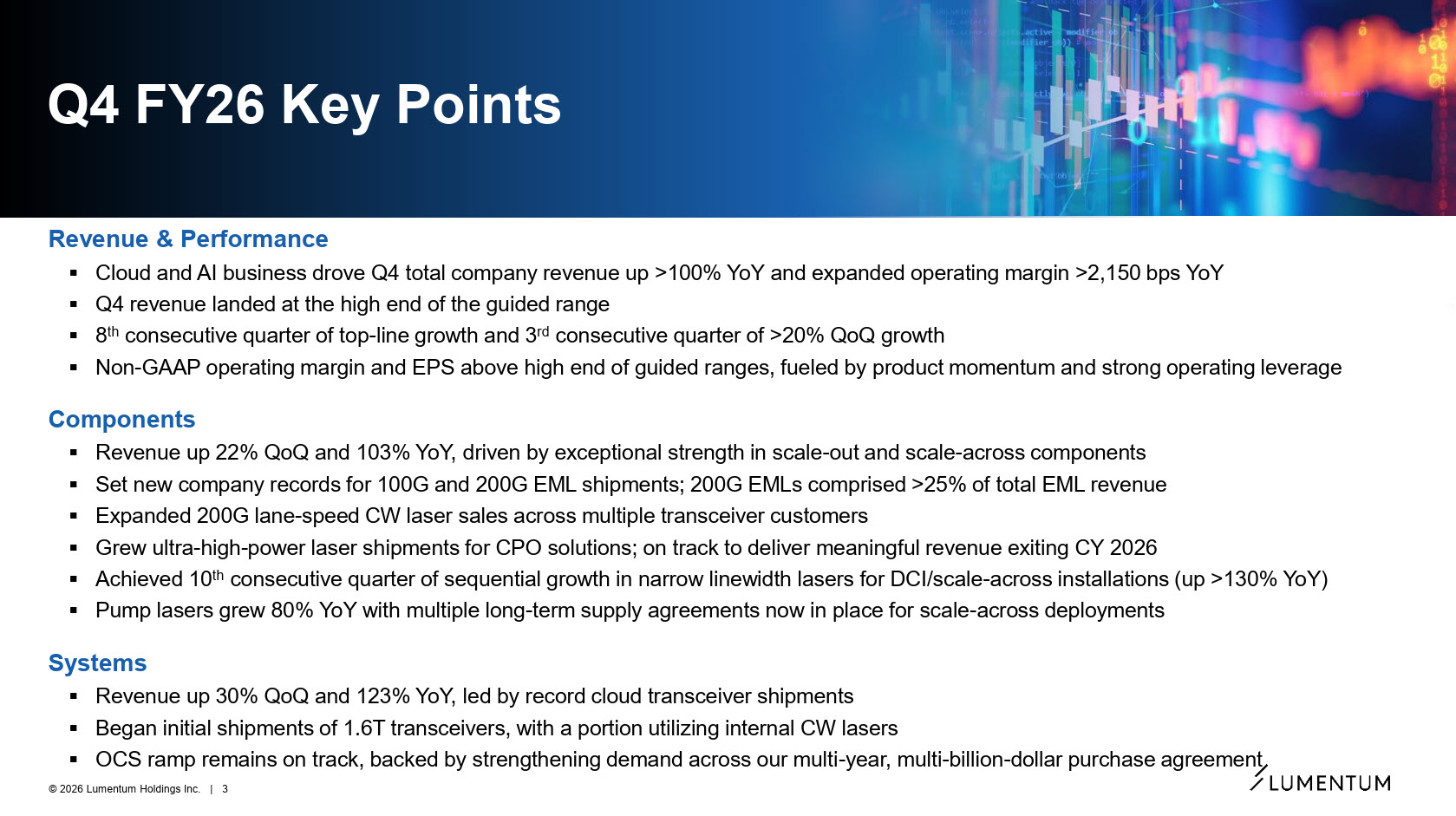
NVIDIA is also building redundancy into its optical supply chain rather than depending on a single manufacturer. The company signed another multiyear partnership with Lumentum, including another 2 billion$ investment and a multibillion dollar purchase commitment for advanced laser components. NVIDIA officially lists Coherent, Lumentum, Corning, Foxconn, TSMC, Fabrinet, SPIL, SENKO, Browave, and Sumitomo Electric among the companies supporting its silicon photonics ecosystem.
The supply expansion at Coherent is especially important because CPO requires considerably more than a new networking ASIC. High power lasers, indium phosphide materials, silicon photonics, optical packaging, fiber connectivity, thermal management, and large volume manufacturing all have to scale together. That is why the recent Coherent Texas expansion matters strategically. NVIDIA is effectively investing upstream in the infrastructure required to make optical networking available at AI factory scale rather than treating photonics as a component that can simply be added after the silicon is finished.
The latest evidence suggests the CPO story is less about a delay and more about understanding NVIDIA’s staged deployment strategy. Networking switches are the first major commercial target because this is where longer distances, power consumption, signal integrity, and massive transceiver counts create some of the clearest advantages for optics. Moving optical connectivity deeper into GPU scale up fabrics is a more complicated engineering problem and will naturally arrive later.
Coherent forecasting new CPO and NPO revenue in 2H 2026 is therefore an important milestone. It means the optical supply chain is beginning to move from technology development toward commercial revenue while NVIDIA simultaneously expands manufacturing capacity through multibillion dollar partnerships. AI infrastructure is rapidly becoming a full system competition where GPU performance alone is not enough. Memory, networking, optics, cooling, power delivery, packaging, and manufacturing capacity increasingly determine how large an AI factory can become and how efficiently it can operate.
Do you think co packaged optics will become essential for every hyperscale AI data center, or can advanced copper remain competitive for much longer than NVIDIA expects?
