
SK hynix Unveils 1c LPDDR6 With 16Gb Density, 10.7 Gbps Speeds, and More Than 20% Lower Power
SK hynix has officially announced the successful development of its first 16Gb LPDDR6 DRAM built on the company’s sixth generation 10nm class 1c process, marking one of the earliest major LPDDR6 milestones for the mobile memory market in 2026. In its official press release, the company says the new memory is aimed at mobile products such as smartphones and tablets built for on device AI workloads, where bandwidth and power efficiency are becoming just as important as raw density.
The headline improvement is speed. SK hynix says its new LPDDR6 reaches base operating speeds above 10.7 Gbps, which the company positions as a 33% improvement over the previous generation LPDDR5X. That makes this launch especially notable for future premium mobile devices, because on device AI features, real time imaging, and heavier multitasking are all placing more pressure on memory bandwidth than in previous smartphone cycles.
Power efficiency is the other major part of the story. According to SK hynix, the new 1c LPDDR6 reduces power consumption by more than 20% compared with the prior generation by using a sub channel structure and DVFS technology. In practical terms, that means the memory can selectively activate only the data paths it needs while also scaling frequency and voltage based on workload intensity, which should translate into better battery life and more efficient performance behavior under different usage scenarios.
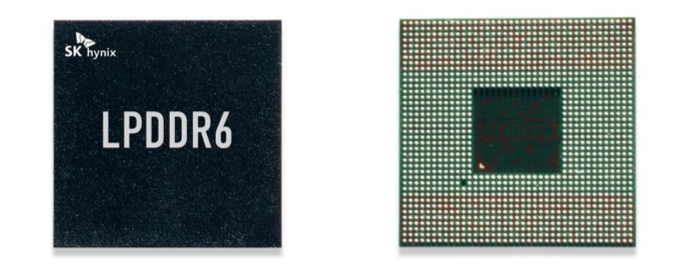
SK hynix is also framing this as part of a broader on device AI push rather than just a routine memory node advancement. The company says it first unveiled the product at CES 2026, has now completed what it calls the world’s first validation of 1c LPDDR6 development, and plans to complete preparations for mass production within the first half of 2026 before starting supply in the second half of the year. That production schedule matters because it suggests LPDDR6 based flagship mobile hardware could begin appearing commercially sooner rather than later.
From a market standpoint, this announcement reinforces SK hynix’s effort to stay aggressive in next generation low power DRAM as AI shifts more processing onto local devices. A faster and more efficient LPDDR6 stack will be increasingly important not only for smartphones and tablets, but eventually for other compact AI driven systems that need high bandwidth memory without the thermal and power cost of larger form factor solutions.
Do you think LPDDR6 will become one of the key upgrades that defines the next wave of AI smartphones, or will most users still care more about the chipset than the memory inside?
