
Razer Brings AVA and QA Companion AI Back to GDC 2026 With a Bigger Push Into Practical AI Tools
Razer used GDC 2026 to show how much its AI roadmap has evolved in just one year, bringing back both its developer focused QA companion and its desktop assistant concept in more mature forms. In its official overview, Razer says the ideas it first introduced at GDC 2025 have now returned as fully developed systems, with Project AVA now rebranded simply as Razer AVA and the earlier AI QA Copilot evolving into Razer QA Companion AI.
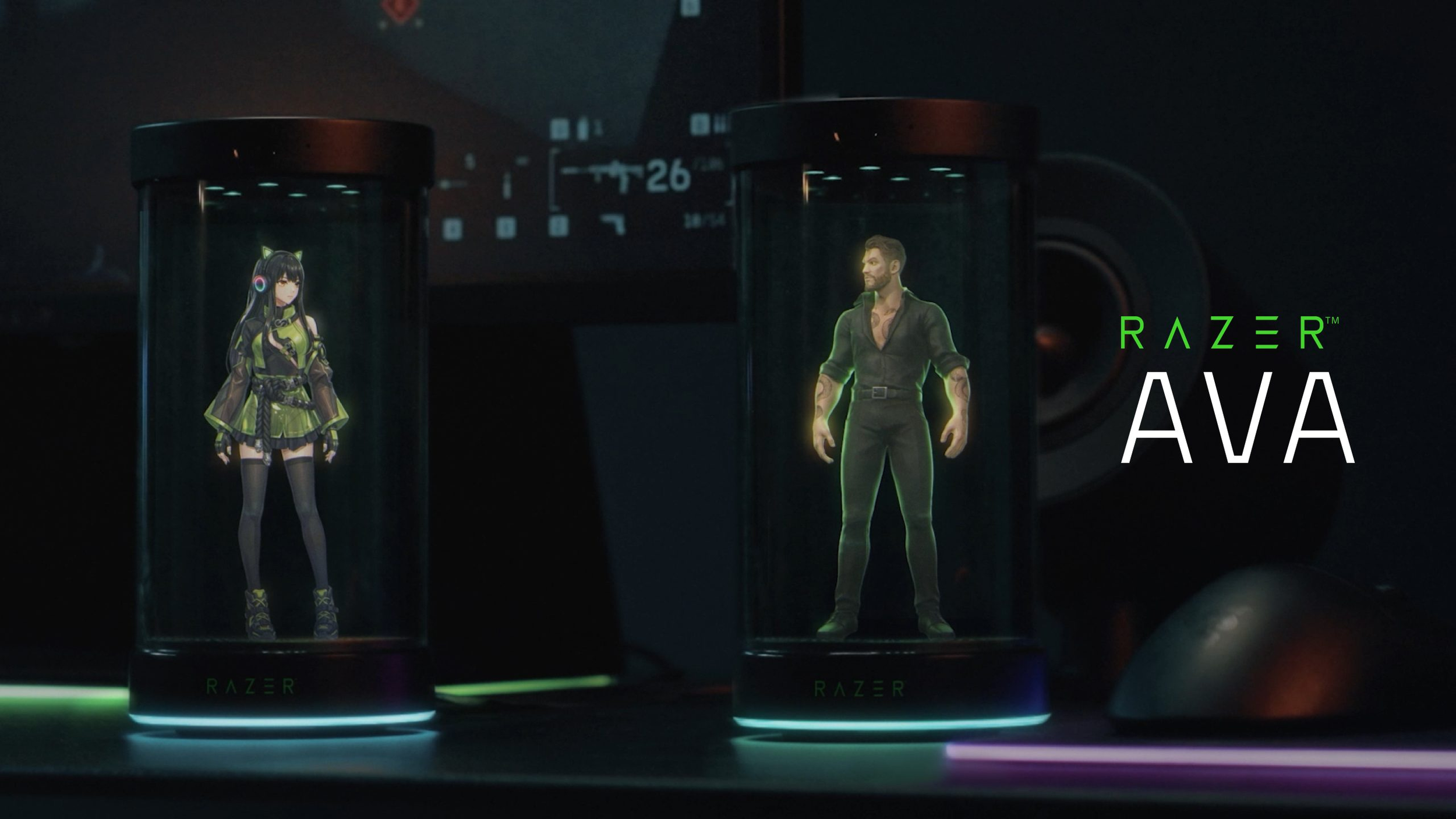
The more consumer facing part of that strategy is Razer AVA, which the company now describes as an agentic AI assistant capable of moving beyond chat responses and into actual task execution. According to Razer, AVA can interpret goals, break them into steps, and carry out workflows across connected applications and services. The company says this includes schedule coordination, task management, application launching, and broader digital organization across gaming and productivity environments. That positions AVA less as a novelty sidekick and more as Razer’s attempt to build a practical everyday desk companion that can operate across a user’s software ecosystem. Razer also says sign ups for the AVA beta are open through Razer Cortex, with early access beginning in Q2 2026.
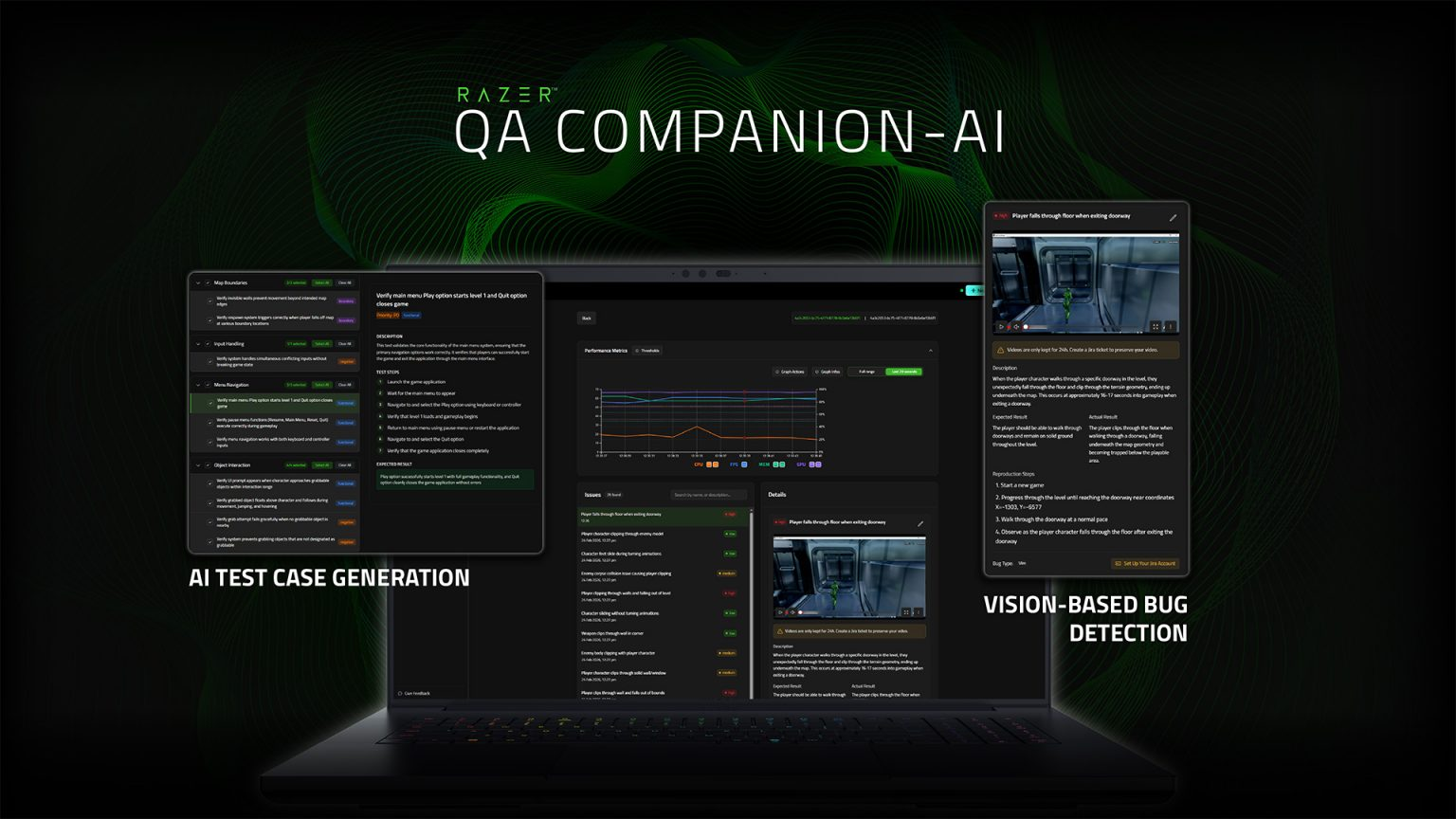
On the game development side, Razer is pitching QA Companion AI as a tool meant to fit directly into existing testing workflows without extra SDKs, plugins, or code changes. In its official description, Razer says the system can analyze gameplay footage to identify visual issues, generate structured bug reports with reproducible steps, and integrate into tracking systems while also monitoring real time performance metrics such as FPS, CPU, GPU, and memory usage. That is a much more grounded use case than the broader assistant pitch around AVA, and it aligns more directly with the kind of AI adoption many studios appear more willing to entertain right now: targeted workflow acceleration rather than replacing creative work.
Razer’s larger message at GDC 2026 is that its AI efforts are about support and efficiency rather than displacement. The company frames the showcase around practical tools that streamline production workflows, digital task management, and immersive player experiences while preserving creative control. From a business perspective, that is a smart way to present these products at a moment when developers remain cautious about anything that looks like AI for AI’s sake. QA Companion AI sounds much easier to justify in that climate because it focuses on bug detection, reporting, and iteration speed. AVA, by contrast, will likely face a tougher real world test when users actually begin trying its agentic task completion features in Q2.
The key takeaway is that Razer is no longer showing these systems as early stage concepts. At least from the company’s own presentation, AVA and QA Companion AI are now being framed as applied products with clearer use cases and near term deployment plans. Whether developers and users embrace them is still the open question, but Razer clearly wants GDC 2026 to mark the moment its AI strategy starts looking commercial instead of experimental.
Do you think Razer’s QA Companion AI is the kind of practical AI tool studios actually want, or will AVA end up getting more attention once people can test its agentic features for themselves?
