
Samsung’s HBM Turnaround Pulls AMD and NVIDIA Back to the Table After Internal Process Improvements
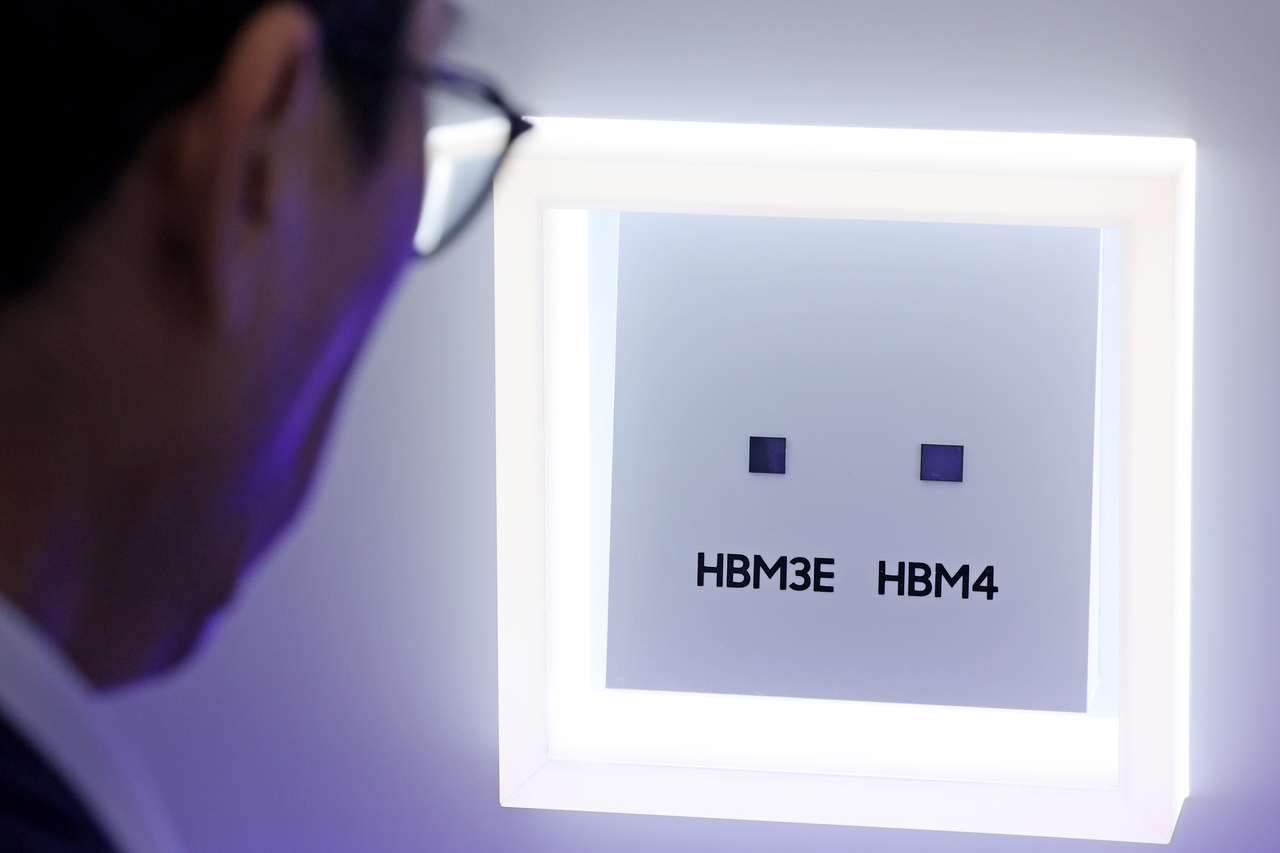
Samsung’s HBM story in 2025 has been a clear example of how fast the AI memory market can punish hesitation and reward execution. Early 2025 was not a strong stretch for Samsung in high bandwidth memory, as the company was pushing for broader HBM3 certification with major ecosystem partners but reportedly struggled to secure the kind of breakthrough it wanted. For a manufacturer known for massive DRAM capacity and scale, the slow start was noticeable, especially as HBM demand accelerated alongside AI accelerator roadmaps.
That trajectory began to shift after Samsung made rapid internal changes across policy and development execution. Momentum became more visible in Q2 2025 when reports indicated AMD had adopted Samsung’s HBM3E process, a signal that Samsung’s packaging, yields, validation readiness, and delivery confidence were moving in the right direction. By Q3 2025, additional reports pointed to NVIDIA being secured as a customer for HBM3E and future HBM4 aligned programs, further strengthening the idea that Samsung was re establishing itself as a more competitive supplier in the highest value segment of the memory stack.
A new update from the Chosun Biz report adds more context on how Samsung is tracking commercially during this recovery phase. Quoting Counterpoint Research, the report says Samsung’s market share in Q3 2025 HBM sales reached 22%, placing it above Micron while still behind SK hynix. The report also notes that this was 40% last year, highlighting that Samsung took a meaningful hit in HBM share before its recent push began translating into renewed customer momentum.
The bigger market signal here is that even with Samsung, SK hynix, and Micron all scaling, HBM demand continues to outpace available supply. AI accelerators consume increasing amounts of high performance memory, and HBM capacity is constrained not just by wafers but also by advanced packaging throughput, stack complexity, and qualification cycles. That environment creates an opening for any supplier that can improve yields, meet validation targets, and offer stable delivery windows, which is exactly where Samsung is now positioning its rebound.
Samsung is also aiming to compete on both technology and commercial strategy. The report frames Samsung as moving into a stronger competitive position with HBM4, referencing industry leading pin speed capability and the intention to offer aggressive contract pricing to win share. In practice, that means Samsung is trying to pair performance leadership with a procurement friendly offer that helps customers lock supply without absorbing peak pricing pressure across the AI ramp.
Looking forward, Samsung’s HBM turnaround could become more visible in Q1 2026 as HBM4 based products start to move closer to mainstream deployment. The timing matters because the next major AI compute cycles are expected to lean heavily on higher bandwidth memory configurations, including platforms like AMD’s Instinct MI400 series and NVIDIA’s Rubin architecture. If Samsung can execute consistently through that ramp, 2026 could mark a more decisive return to top tier HBM leadership rather than a partial recovery story.
What matters most for gamers and PC builders is the downstream effect. When HBM demand pulls supply chain capacity and investment toward AI, the broader DRAM ecosystem often feels tighter and more price sensitive. A healthier and more competitive HBM supply base can reduce pressure across the memory market over time, but only if ramp plans translate into real shipments at scale.
What do you think will matter more in 2026 for HBM suppliers, pin speed leadership or guaranteed volume delivery at stable pricing?
