
NVIDIA May Temporarily Pause RTX 5060 Ti 16 GB Supply, Keeping Only the 8 GB Variant to Protect RTX 5070 Stock
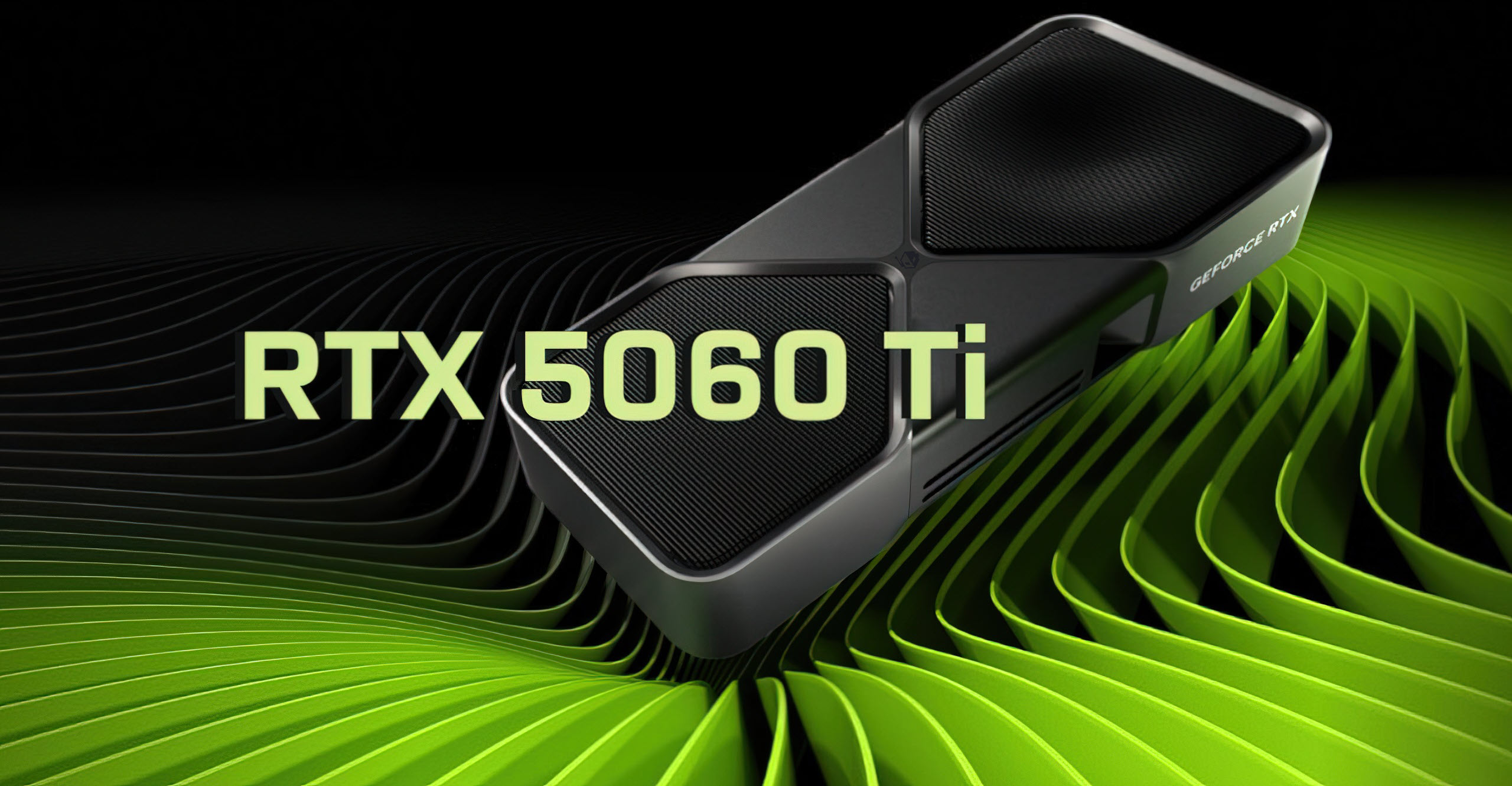
NVIDIA may be preparing a short term product strategy shift that could significantly impact the value focused GPU segment under $450. According to a report from the Board Channels post, NVIDIA may temporarily stop production or supply of the GeForce RTX 5060 Ti 16 GB and continue shipping only the RTX 5060 Ti 8 GB variant instead.
If accurate, this would be another setback for the RTX 5060 Ti 16 GB, which has largely been viewed as the more sensible option for gamers who want more VRAM headroom for modern titles, higher texture settings, and longer upgrade cycles. In the same price bracket, the RTX 5060 Ti 16 GB also competes directly with AMD alternatives like the RX 9060 XT 16 GB, making any supply pause especially disruptive for buyers trying to avoid 8 GB constraints in new builds.
The reported reason is straightforward and very supply chain driven. The Board Channels report claims memory prices have increased significantly, raising costs on higher capacity models. Since the RTX 5060 Ti ships in both 8 GB and 16 GB configurations, the 16 GB version becomes the more expensive target to cut first. The report suggests NVIDIA may choose to preserve memory allocation for the RTX 5070 series instead, keeping that lineup supplied in a mid range battleground where VRAM capacity is now a core marketing and performance differentiator.
That mid range positioning matters because the RTX 5070 and RTX 5070 Ti are paired with 12 GB and 16 GB VRAM, respectively, and NVIDIA is actively competing against AMD cards like the Radeon RX 9070 and RX 9070 XT, which also push 16 GB configurations. If NVIDIA believes RTX 5070 availability is strategically more important than a higher volume RTX 5060 Ti 16 GB, then pausing the 16 GB variant could be a calculated move to defend market share where it is most visible.
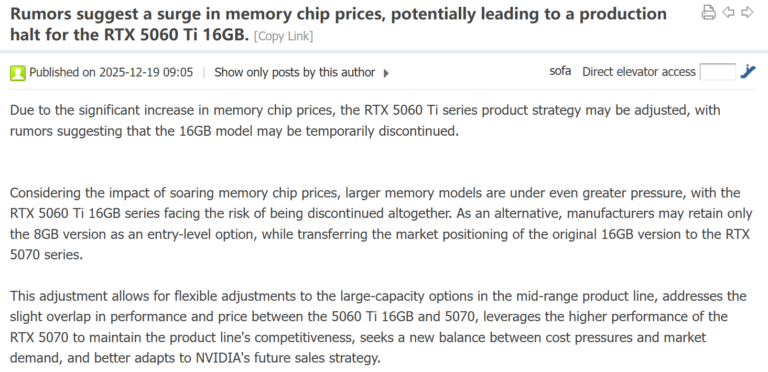
What makes this rumor particularly ironic is that the RTX 5060 Ti 16 GB has reportedly been performing well commercially, which usually signals stable demand and a healthy channel flow. But when component costs spike, especially on memory, even a strong selling SKU can become a liability if it constrains higher margin or higher priority products. The same report also claims broader production cuts may hit the RTX 50 series stack due to higher VRAM pricing, which could translate into tighter retail availability across multiple models.
It is critical to underline that none of this is official. Board level channel chatter can be directionally useful, but timelines, scope, and final decisions can change quickly. Until NVIDIA confirms a supply adjustment, this should be treated as a market rumor rather than a guaranteed product move.
If you were shopping under $450, would you still consider an 8 GB card in 2025, or is 16 GB now your baseline for a new GPU purchase?
