
DRAM shortages shift power to Samsung and SK Hynix as customer allocations tighten
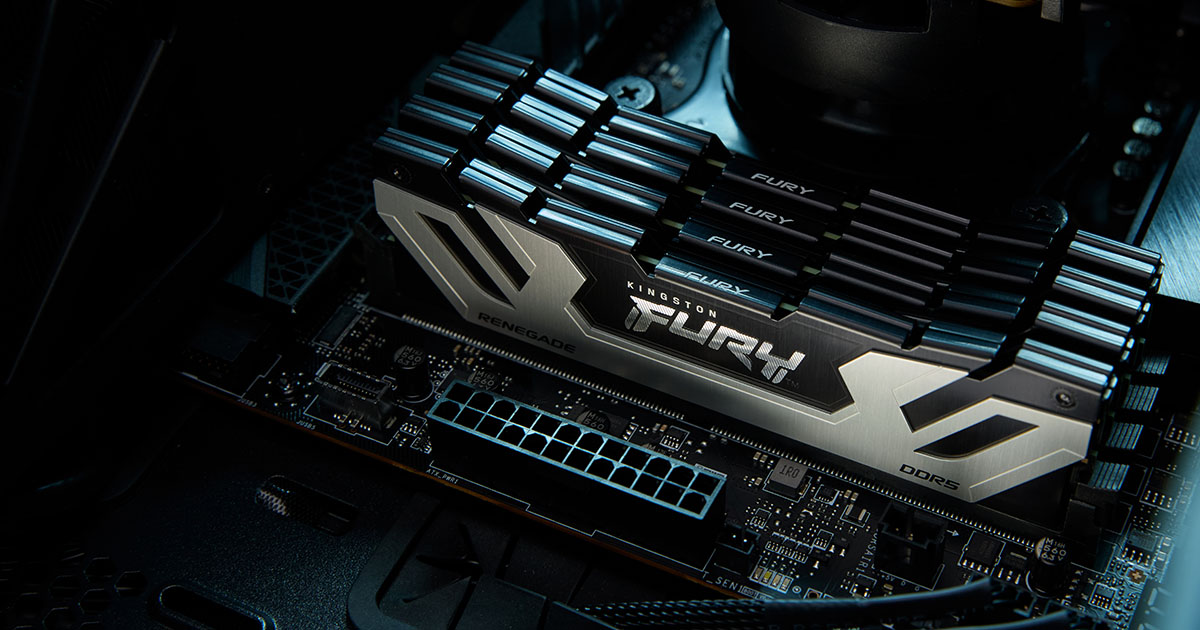
The DRAM supercycle is no longer just an AI infrastructure headline. It is now a supply chain reality that is rippling across the entire PC ecosystem, from laptops and desktops to graphics cards and component upgrades. In a market where capacity decisions made years ago are colliding with today’s AI driven demand spike, suppliers are gaining meaningful leverage over who gets memory, how much, and when.
That shift was summarized bluntly by Etron, a Taiwanese IC company focused on DRAM and SoC design. Speaking via a CTee report, Etron’s chairman said memory customers are now effectively grateful just to receive allocated supply, framing major DRAM makers like Samsung, Micron, and others as the “Santa Claus” of the current market because they control the allocation pipeline.
A key point in the chairman’s comments is that the current crunch was not created overnight. Several years back, DRAM makers did not prioritize expanding capacity because demand was weak during the COVID 19 period and the broader market downturn that followed. When conditions began to stabilize, suppliers focused on restoring profitability rather than accelerating expansion. Now that AI workloads are driving unprecedented memory demand, capacity cannot be ramped instantly. Building and qualifying new output can take years, and that lag is exactly where supplier leverage comes from.
HBM is a central force behind the current imbalance. Modern AI accelerators from companies such as NVIDIA and AMD, as well as a growing number of ASIC players, are competing aggressively for HBM supply. Compared with general purpose DRAM, HBM stacks and packaging intensity can consume more upstream wafer capacity and supporting resources, which pulls supply away from the broader commodity and client markets. The result is a cascading constraint that shows up downstream where gamers and PC builders live: tighter BOM availability, more conservative OEM configurations, and increased sensitivity to pricing and lead times.
From a consumer standpoint, the pain is rarely labeled “DRAM allocation” on a product page. It surfaces as fewer in stock models, less attractive price to performance configs, and slower refresh cycles for certain devices where memory availability becomes a bottleneck. For gamers, it can also mean less headroom for affordable platform upgrades, especially when GPU pricing and total system costs are already under pressure.
Looking forward, the same commentary suggests the constraint environment could persist. Estimates cited in the discussion point to DRAM remaining tight until 2027, which would keep allocation discipline and supplier leverage elevated for longer than many PC buyers would like. If that timeline holds, OEMs and integrators will likely keep optimizing around what they can reliably source, while end users should expect more variability in pricing and availability across regions and product tiers.
What impact are you seeing right now in your local market: higher RAM prices, fewer laptop configs, or GPU availability issues tied to memory supply?
