
Hideo Kojima Speaks on GenAI and Says He Is More Interested in AI for Control Systems Than Visual Creation
Generative AI is back on the front page of game development discourse, and not just because of the usual social media heat. After recent comments from Larian Studios leadership about how the studio evaluates AI tools during development, the conversation has shifted from headline panic to a more practical question: where does AI actually add value without hollowing out the human craft that makes games worth playing.
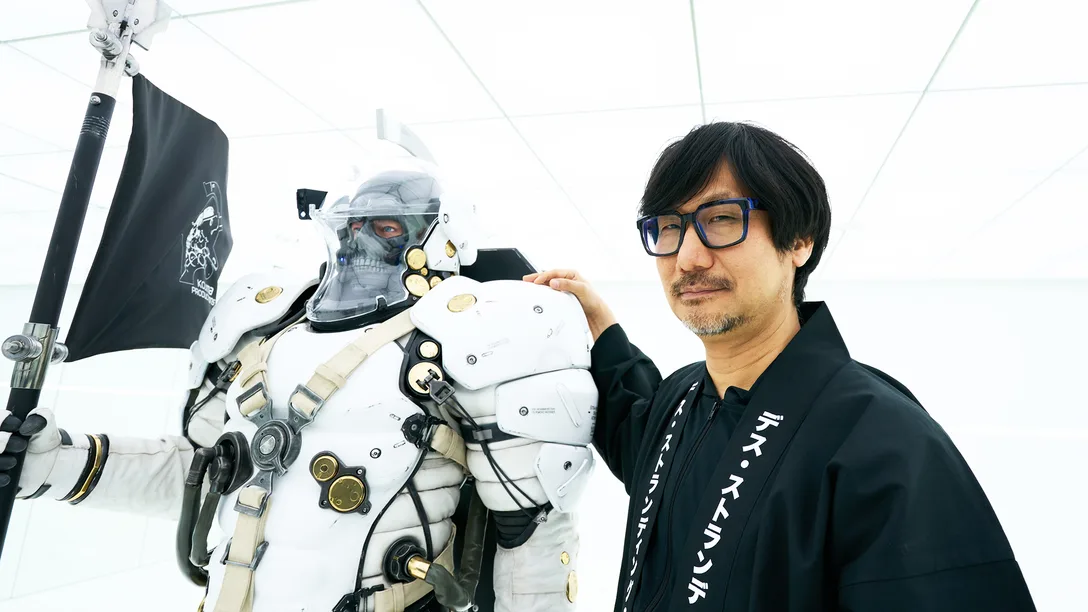
Hideo Kojima has now added a clear position of his own In an interview with CNN, and it is aligned with a philosophy many system driven designers will recognize. He is not chasing AI generated visuals. Instead, he is interested in applying AI inside the control systems of a game, where player input, movement habits, and personal feel differ from person to person. In Kojima’s framing, AI could compensate for those differences and create deeper gameplay by adapting to how each player actually behaves, rather than forcing everyone into a single rigid control experience.
Kojima also points to enemy behavior as the high impact lane. Rather than enemies following predictable patterns, he describes AI enabled opponents that respond dynamically to a player’s experience, actions, and patterns, with the goal of making encounters feel more human and less scripted. That is a notably different business value proposition than using GenAI to mass produce content, because it targets engagement quality, replayability, and moment to moment tension without inflating asset production.
This idea is not purely theoretical, either. Creative Assembly’s Alien: Isolation is a well known example of sophisticated enemy behavior design, using layered systems that manage pacing and pressure while the alien hunts the player. It is a reminder that game AI has always been about behavior and tension engineering, not just visuals, and Kojima is effectively arguing for a modernized, player specific version of that same principle.
Kojima’s stance also lines up with his earlier public comments on AI, where he indicated he would rather keep the creative lead human and use AI for efficiency focused work, particularly tedious tasks that reduce cost and time without replacing artistry. In other words, automate the friction, not the imagination.
The broader industry context makes this distinction increasingly important. Larian’s Swen Vincke has emphasized that while AI tools may be used in limited ways during development, the studio is not shipping a game with AI generated content and is not replacing creative teams with AI. That positioning mirrors Kojima’s focus on keeping the creative soul intact while exploring technology for workflow and system depth.
If Kojima’s direction gains traction, expect more studios to pitch AI as a gameplay depth lever rather than an asset factory. The competitive edge will not be who can generate the most content. It will be who can deliver the most responsive, personal, and consistently high quality play experience at scale, while staying transparent about where AI sits in the pipeline.
Do you want AI in games to focus on smarter enemies and better controls, or do you think any GenAI usage risks crossing a line for players and creators.
