
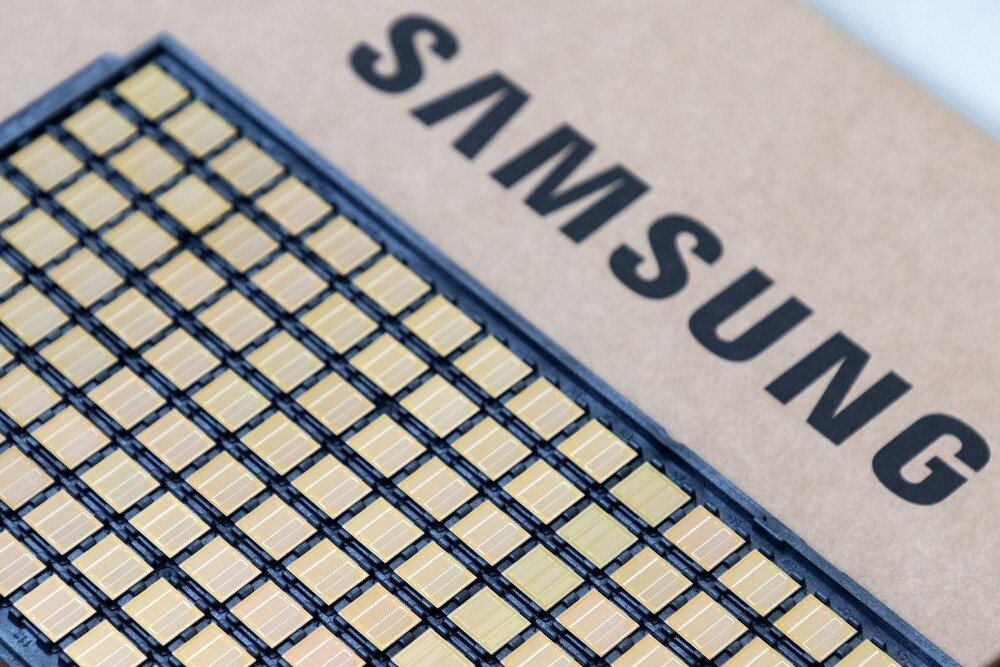
Samsung Electronics has reportedly secured commitments for most of its memory production capacity between 2027 and 2029, as accelerating artificial intelligence infrastructure investments continue placing enormous pressure on the global semiconductor market. Some customers are now seeking long term supply agreements extending through 2031, raising concerns that shortages affecting DRAM, High Bandwidth Memory (HBM), and enterprise storage could persist for several more years. The situation could have significant consequences for PC gamers, hardware manufacturers, and consumers already facing increasing memory and storage costs.
According to a report from South Korea's Economy Tribune, most of Samsung's memory manufacturing capacity for 2027 through 2029 has already been allocated through supply contracts. Customers are reportedly requesting additional volumes beyond their existing agreements, with several exploring commitments extending until 2031 to secure future deliveries. The growing competition for available production reflects the enormous demand generated by AI accelerators, cloud computing infrastructure, and enterprise data centers, where memory capacity and bandwidth have become critical limitations.
During its October 29 financial conference, Samsung confirmed that it had already signed long term memory supply agreements with 10 major customers, while negotiations with another 10 companies were ongoing. The manufacturer aims to secure agreements covering approximately 60% to 70% of its memory production capacity by 2030, providing greater revenue predictability and stronger protection against future market fluctuations. Some agreements also include minimum pricing conditions, potentially limiting how much customers benefit from future market price reductions. However, Samsung has not independently confirmed that its entire production capacity is contractually sold through 2029 or that agreements extending to 2031 have been finalized.
The supply situation is particularly concerning for conventional DRAM, which powers desktop computers, laptops, gaming systems, and servers. Industry sources indicate that available DRAM wafer production capacity for 2027 is effectively sold out, while manufacturers are currently satisfying only approximately 60% to 70% of customer demand. Annual DRAM bit production growth is also expected to remain limited to approximately 20% to 25%, restricting how quickly manufacturers can address the imbalance.
One of the primary challenges is the increasing concentration of manufacturing resources around HBM production. Advanced AI accelerators from NVIDIA and AMD require enormous memory bandwidth, encouraging suppliers to prioritize high value HBM products. However, HBM consumes substantial DRAM wafer capacity, limiting the resources available for conventional DDR5 and other consumer memory products. This imbalance reinforces concerns about Samsung's earlier warning that memory shortages could worsen in 2027 and continue through 2028.
NAND flash memory is experiencing similar pressure, particularly within enterprise storage. Demand for high capacity SSDs continues growing as AI companies expand their data centers and invest in faster storage infrastructure. While consumer NAND availability has shown some improvement, enterprise SSD suppliers continue facing substantial demand, creating additional competition for manufacturing capacity. These conditions could influence future consumer SSD prices, although the extent will depend on production expansion and market demand.
Samsung is not alone in experiencing these challenges. Rival manufacturer SK hynix has also indicated that its DRAM and HBM production is effectively committed through 2029 when existing agreements and advanced customer negotiations are considered. The company previously warned that memory shortages could persist until 2030, suggesting the supply constraints extend beyond a single manufacturer.
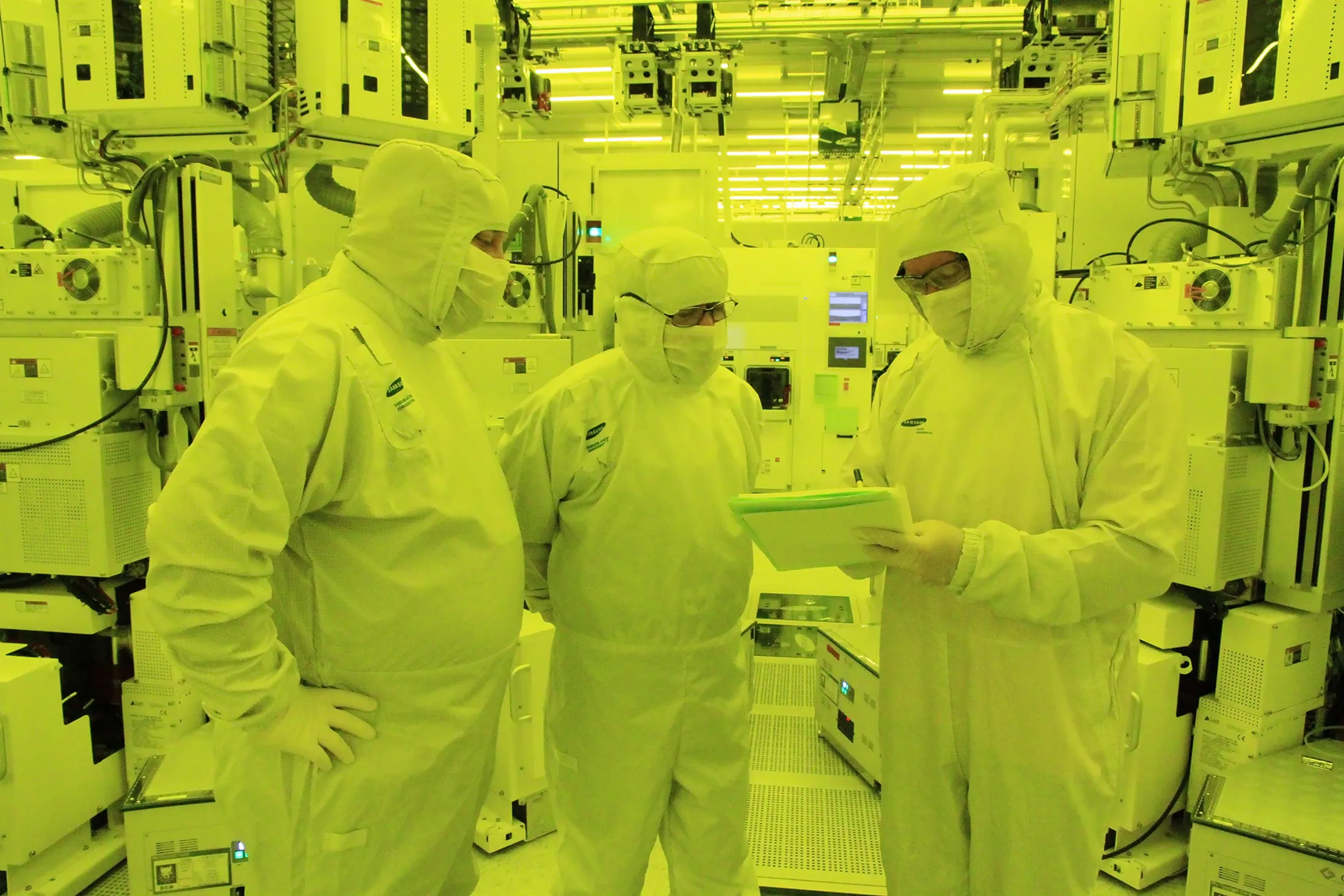
Although Samsung and other suppliers are expanding manufacturing investments, constructing new semiconductor facilities and increasing production yields require substantial time and capital. Even with additional capacity entering operation, the industry faces uncertainty over whether supply growth can match the accelerating requirements of artificial intelligence infrastructure.
Samsung's increasingly committed memory production raises serious concerns about the direction of the semiconductor industry. AI infrastructure continues absorbing enormous manufacturing resources, while consumers face the possibility of higher prices for essential components such as DDR5 memory, graphics cards, and SSDs.
The biggest concern is not simply the shortage itself, but the growing concentration of semiconductor supply within large corporate agreements that extend several years into the future. Long term contracts may provide stability for manufacturers, but they can also reduce flexibility for smaller hardware companies and consumers when demand exceeds available production.
The industry must balance AI expansion with the needs of PC gamers, independent developers, and everyday computer users. Affordable memory is essential for gaming, professional workloads, and local AI, where 32 GB, 64 GB, or even 128 GB configurations are becoming increasingly relevant.
Manufacturers should expand production across both enterprise and consumer markets rather than concentrating resources exclusively on the most profitable AI contracts. Consumers should not have to compete against billion dollar data center investments simply to upgrade or build their own computers.
Do you believe memory manufacturers should reserve more production capacity for consumer PCs and gaming hardware, or will the growing demand from AI companies make higher RAM and SSD prices unavoidable?
