
NVIDIA Confirms DLSS 5 Is Coming to GeForce RTX 40 Series GPUs
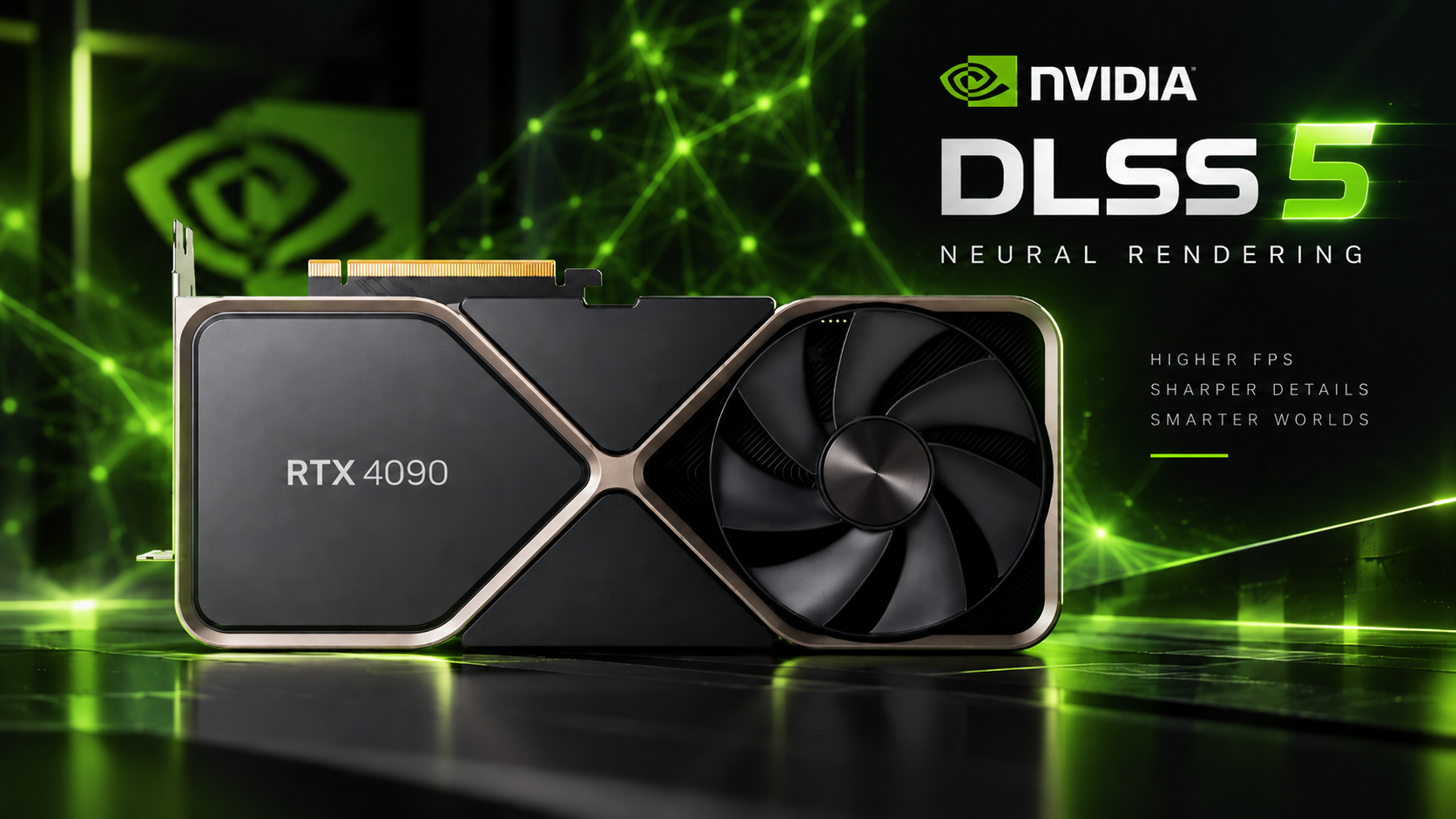
NVIDIA has confirmed that DLSS 5 will officially expand to GeForce RTX 40 Series graphics cards, reversing what had so far been an RTX 50 Series only launch for its new 3D Guided Neural Rendering technology. Ada Lovelace owners will still need to wait, however, as NVIDIA says its immediate priority is further optimizing the demanding neural model for Blackwell before beginning the official RTX 40 rollout.
The confirmation is particularly significant because NVIDIA currently lists DLSS 5 3D Guided Neural Rendering exclusively for GeForce RTX 50 Series hardware. That remains accurate today. RTX 40 support is now part of NVIDIA's roadmap, but no release date or specific Ada Lovelace GPU compatibility list has been announced.
In an official statement provided to Wccftech, an NVIDIA spokesperson confirmed that work on RTX 40 Series support will begin after additional RTX 50 optimization:
"DLSS 5 is our most computationally demanding model to date. Since we initially announced it in March, we've achieved a 5X performance gain and there's more to come. Our current focus is on optimizing performance for the GeForce RTX 50 Series with model updates expected later this fall. Once RTX 50 Series performance is more fully tuned, we plan to work on expanding official support to the GeForce RTX 40 Series."
— Quote by: NVIDIA spokesperson, in a statement provided to Wccftech
DLSS 5 uses 3D scene information alongside conventional rendering data to improve lighting, material behavior, skin, hair, contact shadows, and other visual elements in real time. When NVIDIA first revealed the technology at GTC 2026, its research implementation required 2 GeForce RTX 5090 GPUs. NVIDIA says approximately 6 months of model, kernel, and rendering pipeline optimization has since improved execution performance by 5X, making commercial deployment across the RTX 50 Series possible.
The first production implementation arrived with NBA 2K27 on September 3. The finished DLSS 5 implementation showed greater developer control, more restrained material reconstruction, and substantially improved performance compared with NVIDIA's original demonstration. Further model updates are planned for fall 2026 before the company shifts more attention toward Ada Lovelace.
RTX 40 compatibility is also less surprising after community experimentation. Before NVIDIA confirmed official support, modified runtimes had already demonstrated that DLSS 5 Neural Rendering could execute on RTX 40 Series hardware, although without official drivers, optimization, or supported game integration. Modders have pushed the technology onto even older architectures, but with dramatically different results. An RTX 3080 test dropped from approximately 138 FPS to only 4 FPS, illustrating the difference between technically running the model and delivering useful gaming performance.
NVIDIA has not confirmed official support for RTX 30 or RTX 20 Series GPUs. Its current commitment extends only to RTX 40 hardware, and the company has not guaranteed that every Ada Lovelace model will receive identical functionality.
One hardware distinction will also remain. RTX 40 GPUs support conventional DLSS Frame Generation, while NVIDIA's newer Multi Frame Generation remains an RTX 50 Series feature. That could become important because Ada GPUs will need to absorb the additional Neural Rendering workload without access to Blackwell's full frame generation capabilities.
This could become one of the most important DLSS 5 developments since the technology was revealed. The RTX 40 Series represents a substantial installed base, and extending Neural Rendering to Ada means NVIDIA is not limiting one of its newest graphics technologies entirely to Blackwell.
The real challenge is performance. Community experiments already proved that RTX 40 hardware can execute the model, but official support needs to deliver much more than technical compatibility. NVIDIA now has to optimize DLSS 5 enough that Ada owners can enable it without sacrificing the performance gains they expect from DLSS technologies in the first place.
Does confirmed DLSS 5 support make you more likely to keep your RTX 40 Series GPU longer, or do the performance demands of Neural Rendering still make RTX 50 hardware the more attractive upgrade?
