
Leaked NVIDIA DLSS 5 Neural Rendering Spreads Across PC Games and Modder Runs on RTX 40 Series
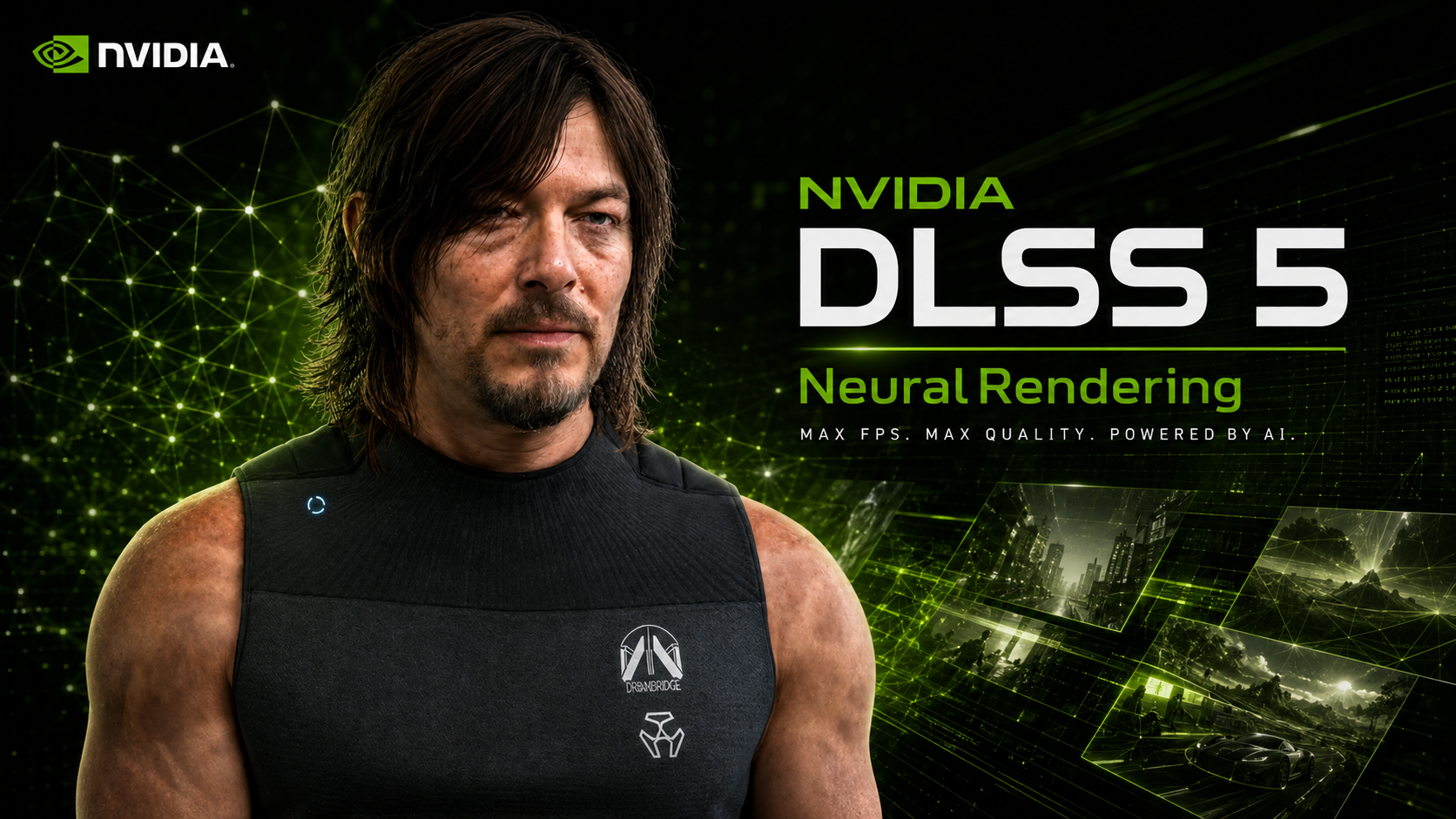
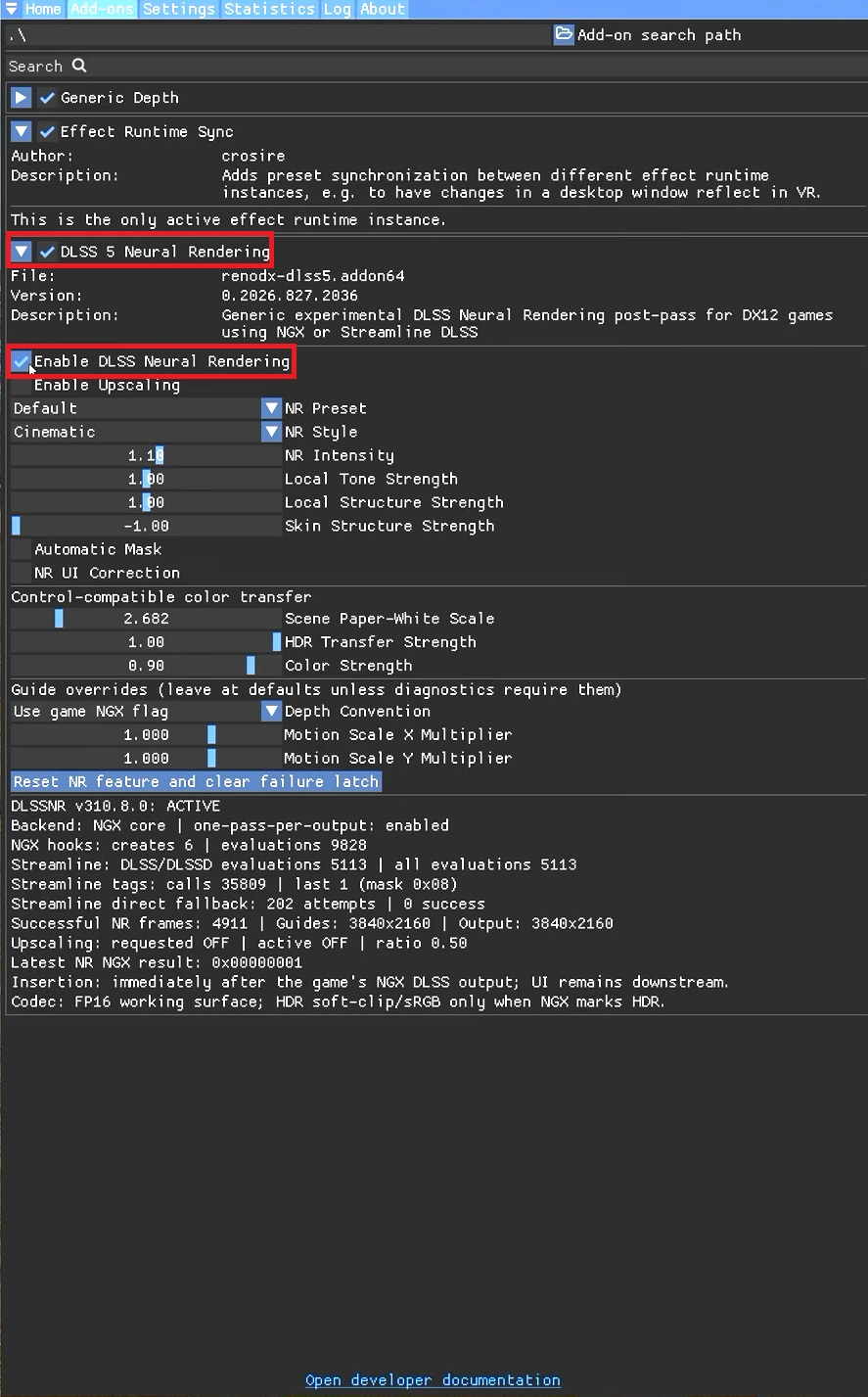
NVIDIA DLSS 5 has unexpectedly escaped the boundaries of official demonstrations months before its planned release, after PC modders discovered an experimental Neural Rendering runtime inside the early access build of NBA 2K27. The approximately 158 MB file, named nvngx_dlssnr.dll and identified as NVIDIA DLSSNR version 310.8.0.0, was quickly extracted by members of the RenoDX community and adapted to run inside Control through RenoDX and ReShade. Within hours, the experiment had transformed into the first known public demonstration of DLSS 5 Neural Rendering operating inside a game without an official developer integration.
🚨DLSS 5 Running On Control with renodx
— SwurvGaming (@SwurvGaming) August 27, 2026
so one of the renodx guys has dlss 5 neural rendering (ai filter) running on control. This was using the dlss nr dll found in nba 2k27. They have it working on character models only so far.
Theres 7 different styles, the video clip… pic.twitter.com/YlEFVCIPJC
The early Control implementation exposed several Neural Rendering styles capable of substantially changing the appearance of Jesse Faden, particularly skin detail, hair, clothing, facial lighting and material response. The technology works very differently from traditional DLSS Super Resolution. According to NVIDIA, DLSS 5 receives a game's color information and motion vectors and passes them through a real time neural model trained to understand characters, skin, hair, fabrics, translucent materials and environmental lighting. The objective is to generate more realistic lighting and material interaction while keeping the result anchored to the original geometry and semantics of the scene.
That distinction is important because DLSS 5 is not simply producing a sharper version of the original image. Neural Rendering can reinterpret how materials and lighting appear, making the quality of developer integration considerably more important than with a conventional resolution reconstruction upgrade. NVIDIA provides developers with controls for intensity, color grading and masking so artists can choose exactly where Neural Rendering is applied. The uncontrolled community implementations currently circulating do not have that level of professional tuning, meaning the dramatic visual differences appearing online should not be considered representative of how developers will ultimately use DLSS 5.
Stellar Blade – DLSS 5 ON vs OFF

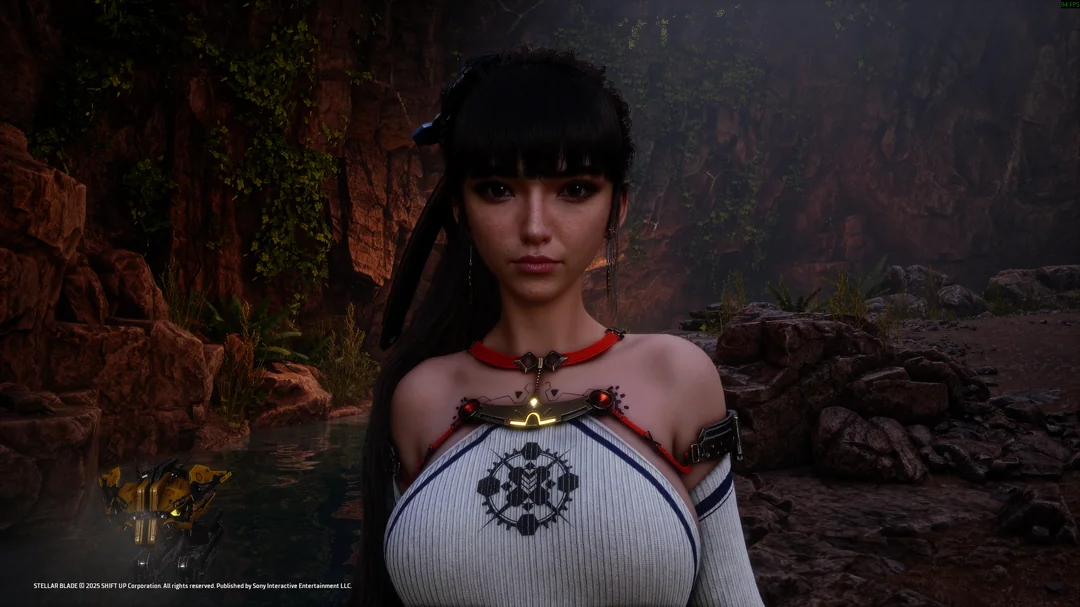
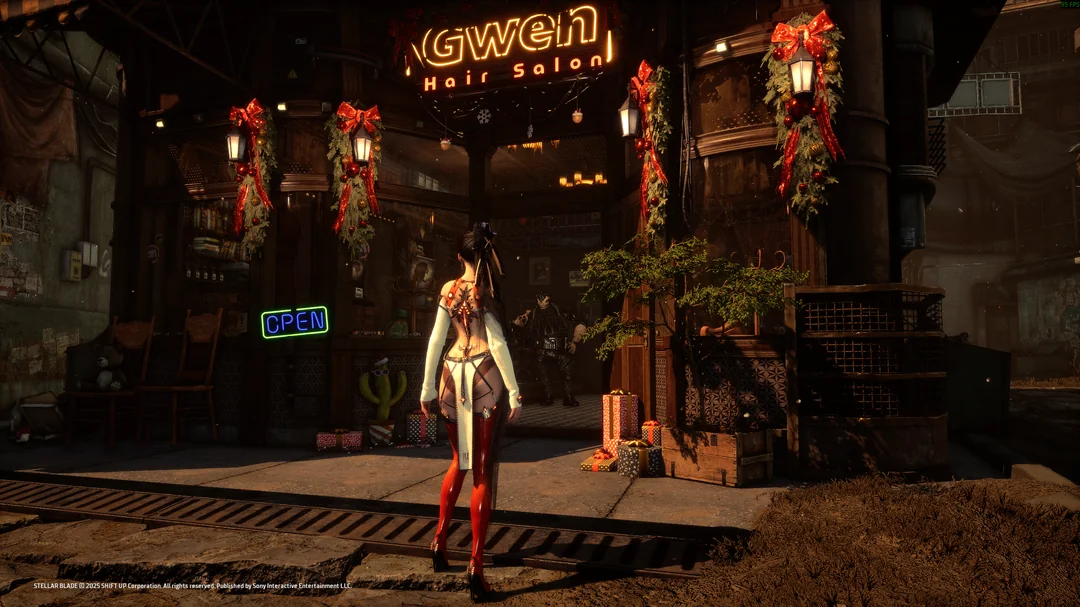
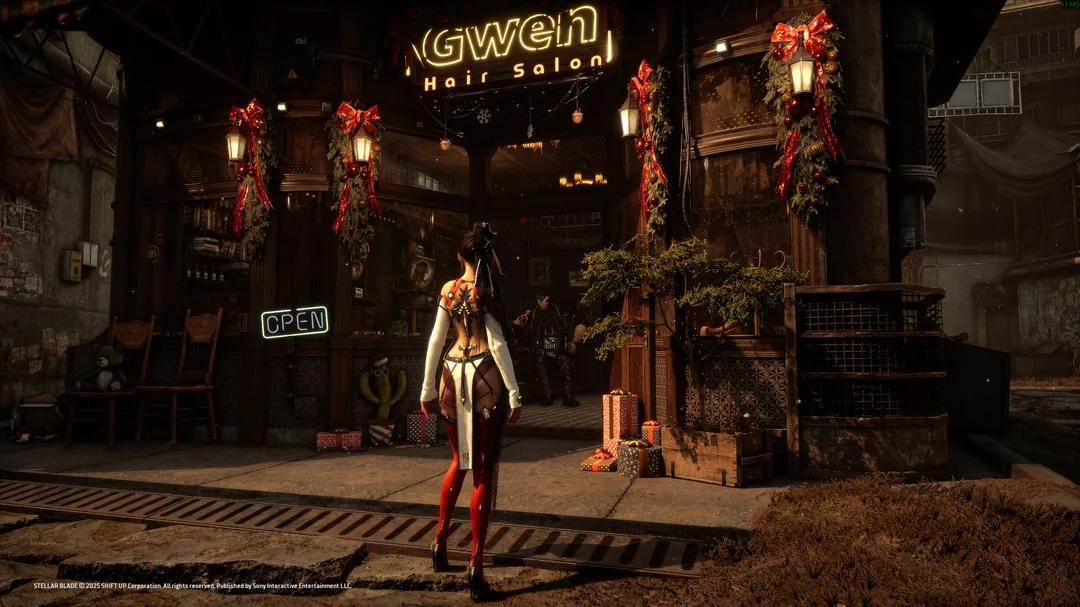
Modders have nevertheless moved remarkably quickly. Experimental DLSS 5 implementations have now appeared in Control, S.T.A.L.K.E.R. 2: Heart of Chornobyl, Cyberpunk 2077, The Witcher 3: Wild Hunt, Grand Theft Auto V Enhanced, Stellar Blade, Final Fantasy VII Rebirth, Assassin's Creed Shadows, The Elder Scrolls IV: Oblivion Remastered and The Last of Us Part II Remastered. The comparisons show Neural Rendering producing more detailed skin, stronger material definition and considerably different lighting responses, but they also demonstrate how easily the technology can push a game's presentation away from its original artistic direction when applied aggressively.
Cyberpunk 2077 is particularly interesting because the game already combines sophisticated materials with one of the industry's most demanding path traced lighting implementations. The unofficial Neural Rendering layer does not replace path tracing. Instead, it processes the existing output and changes elements including skin, hair, surfaces and local lighting. Some scenes become noticeably more photographic, while others gain additional contrast or illumination that can conflict with the atmosphere originally authored by CD Projekt RED. This illustrates why selective developer controlled masking could become one of the most important elements of the finished DLSS 5 implementation.
Older titles demonstrate an equally interesting use case. The Witcher 3 and GTA V Enhanced can gain significantly richer character and material presentation without replacing their underlying geometry, effectively adding another visual processing layer over assets created years ago. However, the same process can substantially reinterpret faces and lighting when pushed too far. That creates an important distinction between increasing apparent realism and actually improving the artistic presentation of a game.
Performance remains the largest concern surrounding these experiments. One early Control test on a GeForce RTX 5070 Ti at 4K reportedly dropped from approximately 71 FPS to 35 FPS after Neural Rendering was enabled. Separate RTX 5080 tests in S.T.A.L.K.E.R. 2 and Cyberpunk 2077 showed losses exceeding 50% under some configurations, while an RTX 5090 comparison in Control also lost more than half of its original performance. A Cyberpunk 2077 path tracing test reportedly moved from 71 FPS to 45 FPS after adding the experimental Neural Rendering layer. These results come from an unfinished runtime running through unofficial integrations and therefore cannot be used as benchmarks for the final DLSS 5 implementation.
The hardware story has also changed rapidly. The leaked runtime initially operated on GeForce RTX 50 Series GPUs because its CUDA binaries were compiled for NVIDIA's Blackwell architecture. RTX Remix modder Uncle Burrito subsequently identified the incompatible components and replaced them with Ada Lovelace compatible CUDA binaries, successfully running the same experimental Neural Rendering runtime on GeForce RTX 4090 and RTX 4080 GPUs. An RTX 4090 demonstration reportedly dropped from approximately 135 FPS to 82 FPS when the feature was enabled, representing around a 39% performance reduction.
This does not confirm official DLSS 5 support for the GeForce RTX 40 Series. It only demonstrates that at least this experimental Neural Rendering runtime can execute on Ada Lovelace hardware after community modification. NVIDIA has not announced RTX 40 Series compatibility for the finished DLSS 5 implementation, so the CUDA swap should currently be viewed as a technical experiment rather than evidence of NVIDIA's final hardware support strategy.
The rapid progress is especially notable because NVIDIA's graphics software ecosystem has already been moving toward increasingly sophisticated neural rendering. The company recently released DLSS 4.5 Ray Reconstruction, bringing a larger 2nd generation transformer model into ray traced and path traced games. Community developers have also repeatedly demonstrated how newer DLSS technology can be brought into titles without official updates, including an unofficial DLSS 4.5 implementation for The Witcher 3. DLSS 5 pushes that evolution much further because AI is now influencing the appearance of materials and lighting rather than primarily reconstructing missing visual information.
The experiments also revive the debate that followed NVIDIA's original DLSS 5 presentation. Some players argued that the technology changed characters too dramatically, although subsequent analysis suggested that several widely circulated DLSS 5 geometric anomalies were already present in the original game footage. The new community demonstrations reinforce both sides of that discussion. Neural Rendering can produce striking results, but without carefully tuned intensity, masking and artistic oversight, it can just as easily alter a game's intended visual identity.
NVIDIA officially plans to release DLSS 5 this fall, with confirmed developer support from companies including Bethesda, CAPCOM, NetEase, Tencent, Ubisoft and Warner Bros. Games. Announced games include Assassin's Creed Shadows, Resident Evil Requiem, Starfield, Hogwarts Legacy, The Elder Scrolls IV: Oblivion Remastered, Phantom Blade Zero and several others. Until those official implementations arrive, the leaked NBA 2K27 runtime provides an unusually revealing look at both the potential and the technical cost of NVIDIA's next major graphics technology.
The most interesting development is not simply that DLSS 5 has been forced into 10 games. It is how quickly the modding community exposed the underlying flexibility of Neural Rendering. Going from an unexpected DLL inside NBA 2K27 to Control, Cyberpunk 2077 and even RTX 40 Series hardware within days shows that NVIDIA's model is far less isolated from the wider RTX ecosystem than early demonstrations suggested.
The performance numbers are currently brutal, but judging the finished technology by these tests would be premature. These implementations lack developer optimization, proper masking and the complete integration NVIDIA intends studios to use. The bigger question is artistic control. DLSS 5 can clearly change the presentation of an existing game much more aggressively than previous DLSS generations, making the difference between a carefully tuned official implementation and a global AI filter fundamental to whether Neural Rendering becomes a genuine graphics breakthrough or simply an expensive visual effect.
After seeing DLSS 5 running unofficially across modern games and even RTX 40 Series GPUs, are you more interested in Neural Rendering, or more concerned about how much it can change the original artistic direction of a game?
