
NVIDIA Unveils DLSS 5 at GTC 2026, Promising a Major Leap in Visual Fidelity Through Neural Rendering
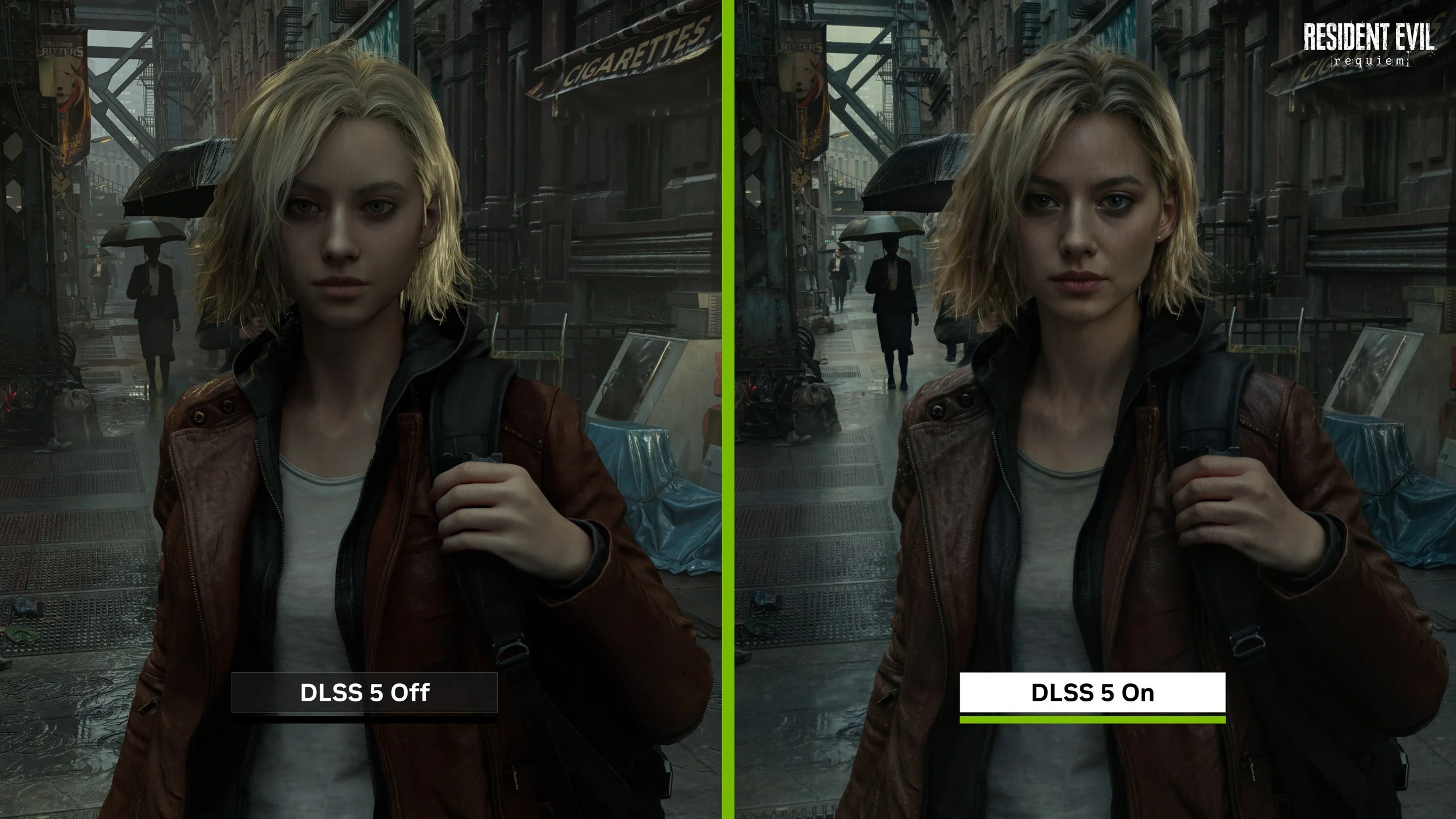
NVIDIA has officially announced DLSS 5, the next major evolution of its Deep Learning Super Sampling suite, and it may be one of the most important graphics reveals of GTC 2026. In its official announcement, NVIDIA describes DLSS 5 as a real time neural rendering model that goes beyond traditional upscaling by infusing scenes with photoreal lighting and materials, aiming to bridge the gap between conventional game rendering and cinematic quality visuals.
Unlike earlier DLSS generations, which were primarily framed around performance uplift through resolution reconstruction and frame generation, DLSS 5 is being positioned as a much broader visual technology. NVIDIA says the new system takes a game’s color and motion vectors for each frame and uses an AI model to add photoreal lighting and material behavior that remain grounded in the source 3D scene and consistent from frame to frame. The company says DLSS 5 can run in real time at up to 4K resolution while maintaining smooth interactive gameplay.
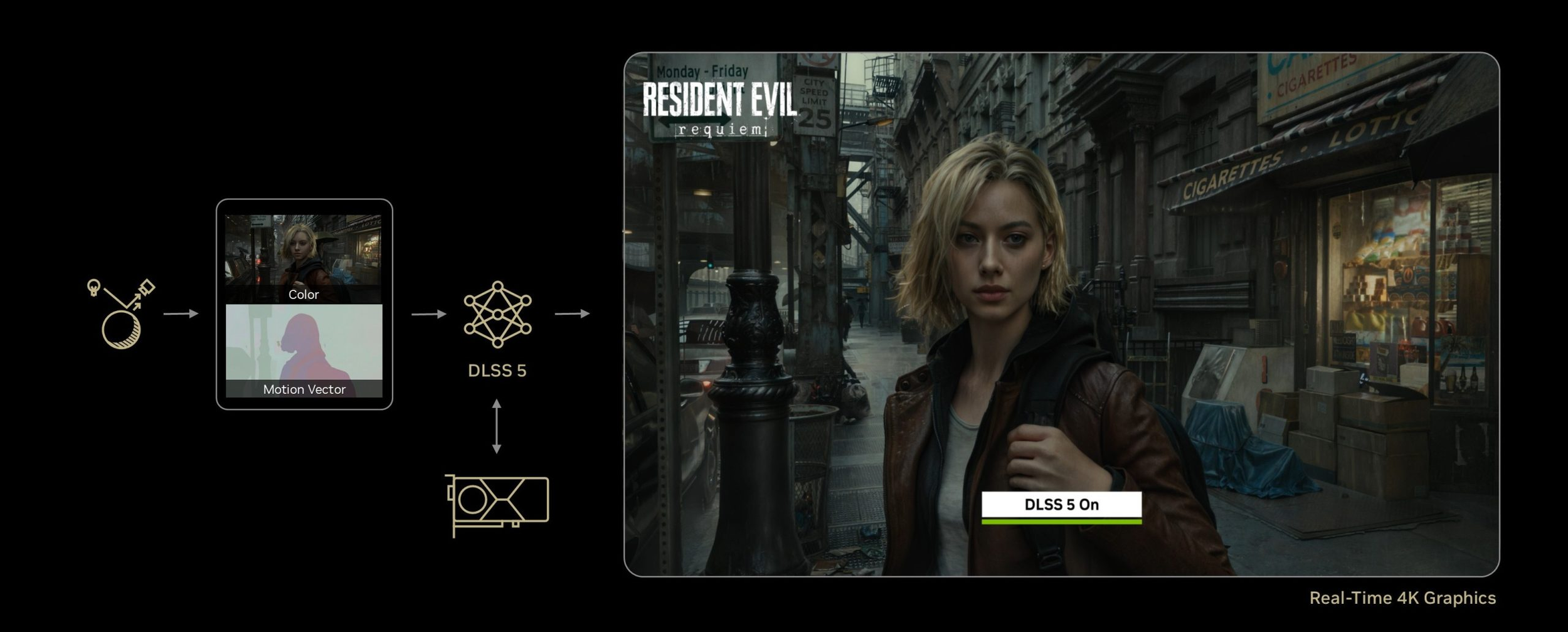
NVIDIA’s wording makes it clear that this is not just a cleaner image reconstruction pass. The company says the model is trained end to end to understand scene semantics such as characters, hair, fabric, translucent skin, and different environmental lighting conditions such as front lit, back lit, or overcast scenes. That AI understanding is then used to generate more visually precise images, including effects such as subsurface scattering on skin, improved fabric sheen, and more realistic light interaction on hair, while preserving the original structure and intent of the scene.
From a developer workflow perspective, NVIDIA is also trying to make the upgrade easier to adopt. The company says DLSS 5 provides controls for intensity, color grading, and masking, allowing artists to decide where and how the enhancements are applied so each game can preserve its own visual identity. NVIDIA also says integration uses the same NVIDIA Streamline framework already used for DLSS and Reflex, which should help lower adoption friction for studios already working inside that ecosystem.
Jensen Huang framed the reveal as more than a routine version bump. In NVIDIA’s official statement, he described DLSS 5 as “the GPT moment for graphics,” saying it blends handcrafted rendering with generative AI to create a dramatic leap in realism while keeping the level of control artists need. That is a bold claim, but it also shows how NVIDIA wants the market to think about DLSS 5: not just as another rendering enhancement, but as a foundational shift in how future game visuals may be produced.
NVIDIA has already named a substantial early support list. According to the company, DLSS 5 will come to games including AION 2, Assassin’s Creed Shadows, Black State, CINDER CITY, Delta Force, Hogwarts Legacy, Justice, NARAKA: BLADEPOINT, NTE: Neverness to Everness, Phantom Blade Zero, Resident Evil Requiem, Sea of Remnants, Starfield, The Elder Scrolls IV: Oblivion Remastered, and Where Winds Meet, with more titles to follow. NVIDIA also said support is coming from major publishers and developers including Bethesda, CAPCOM, Hotta Studio, NetEase, NCSOFT, S GAME, Tencent, Ubisoft, and Warner Bros. Games.
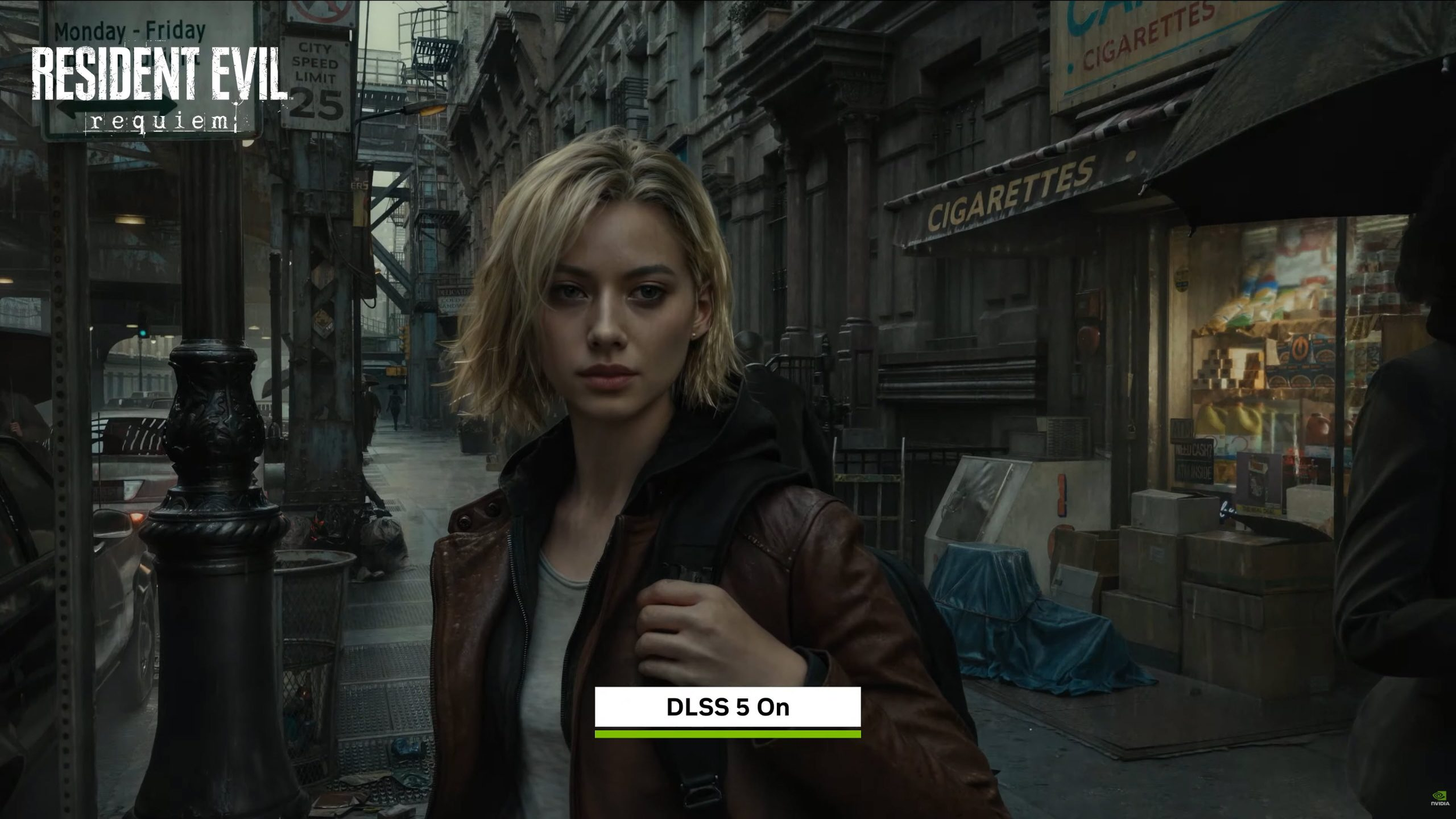
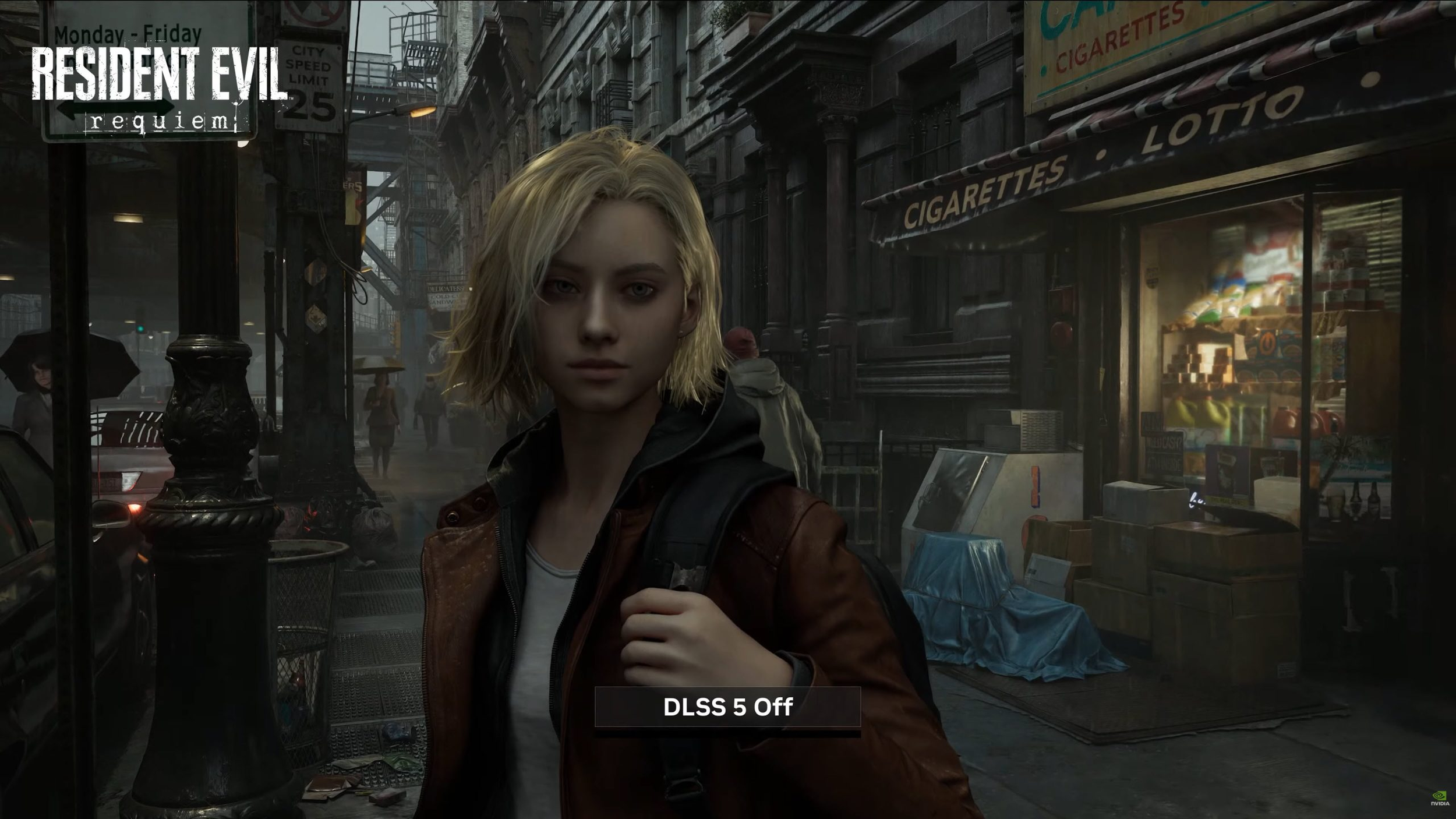
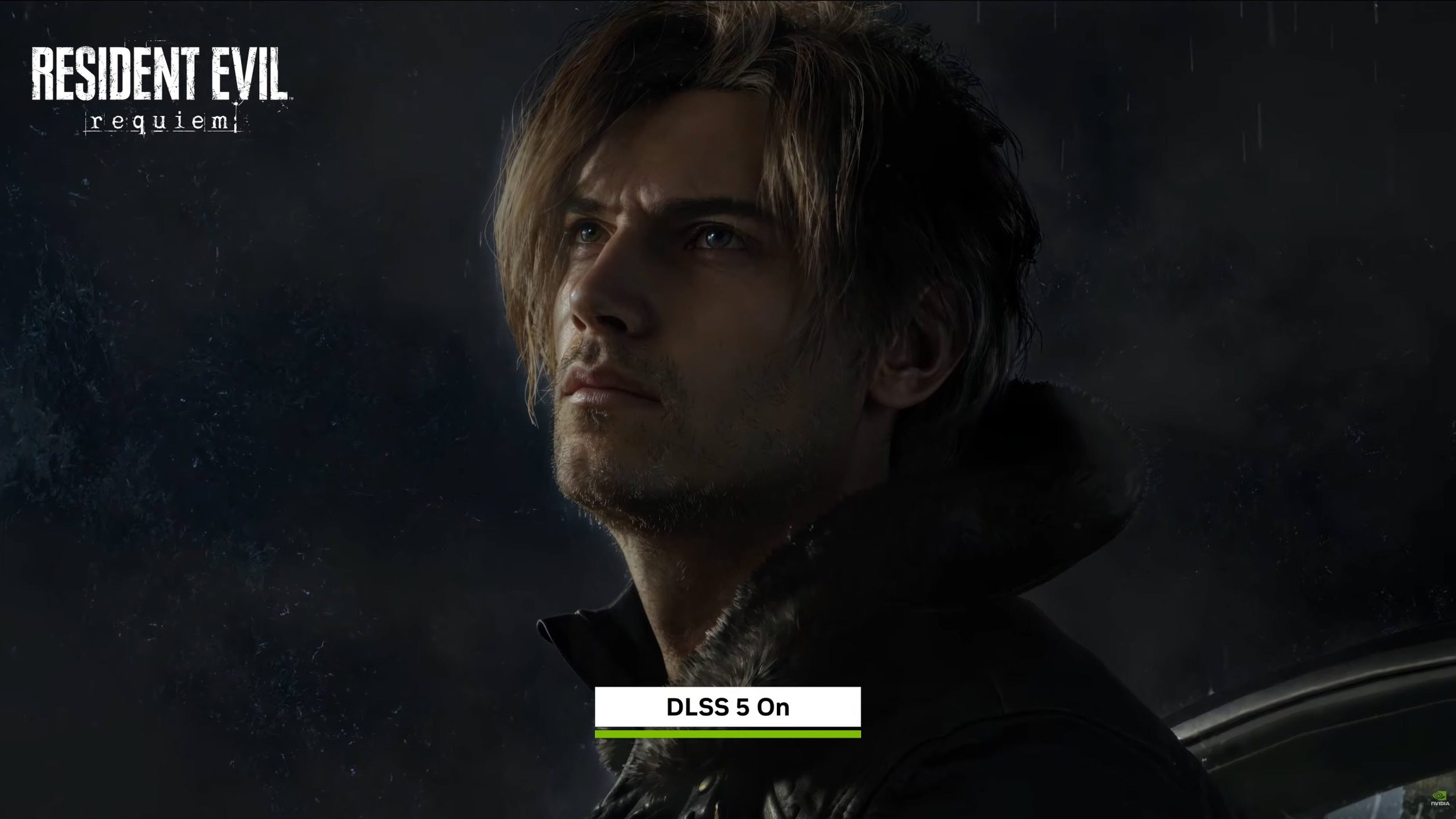
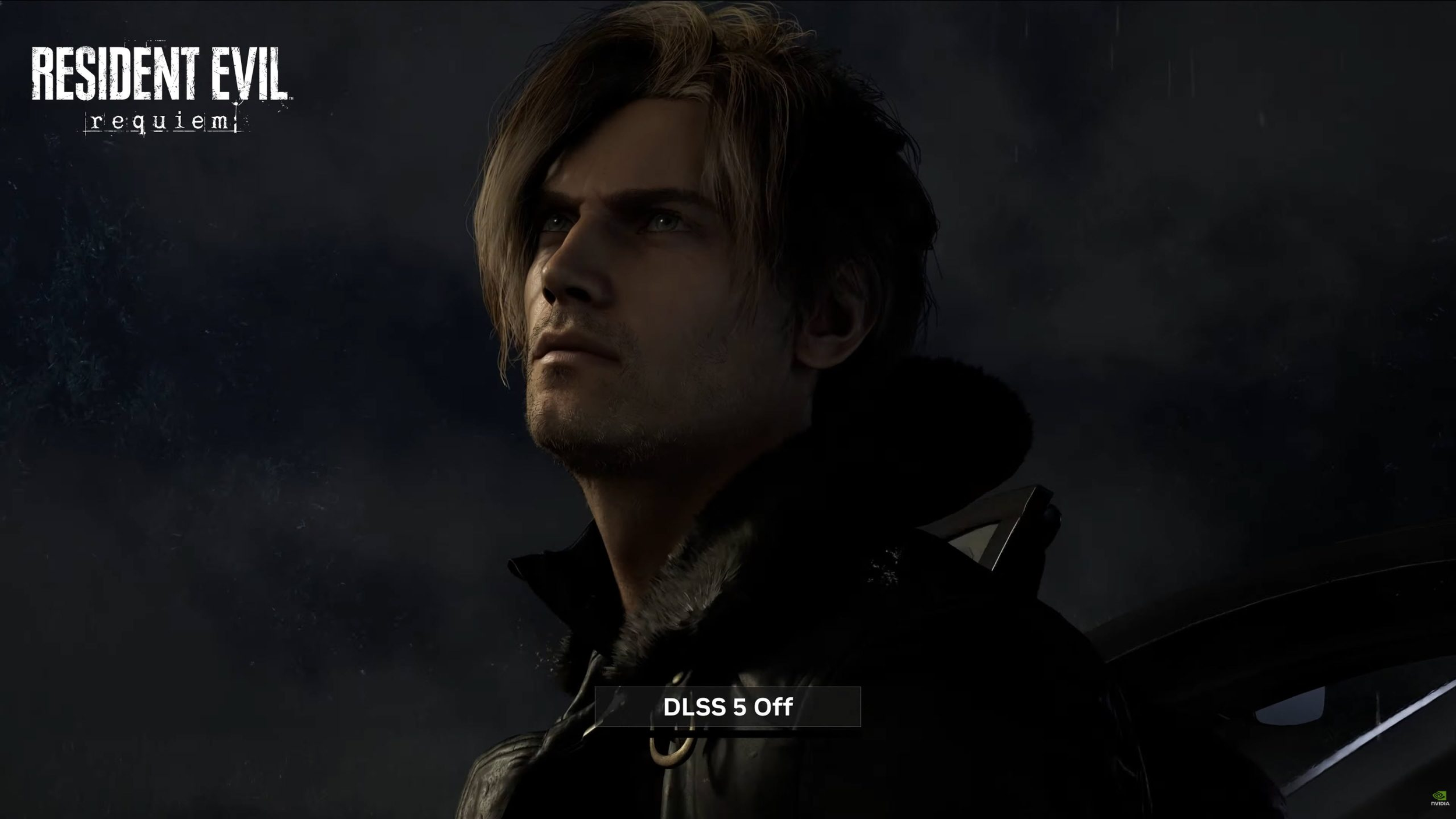
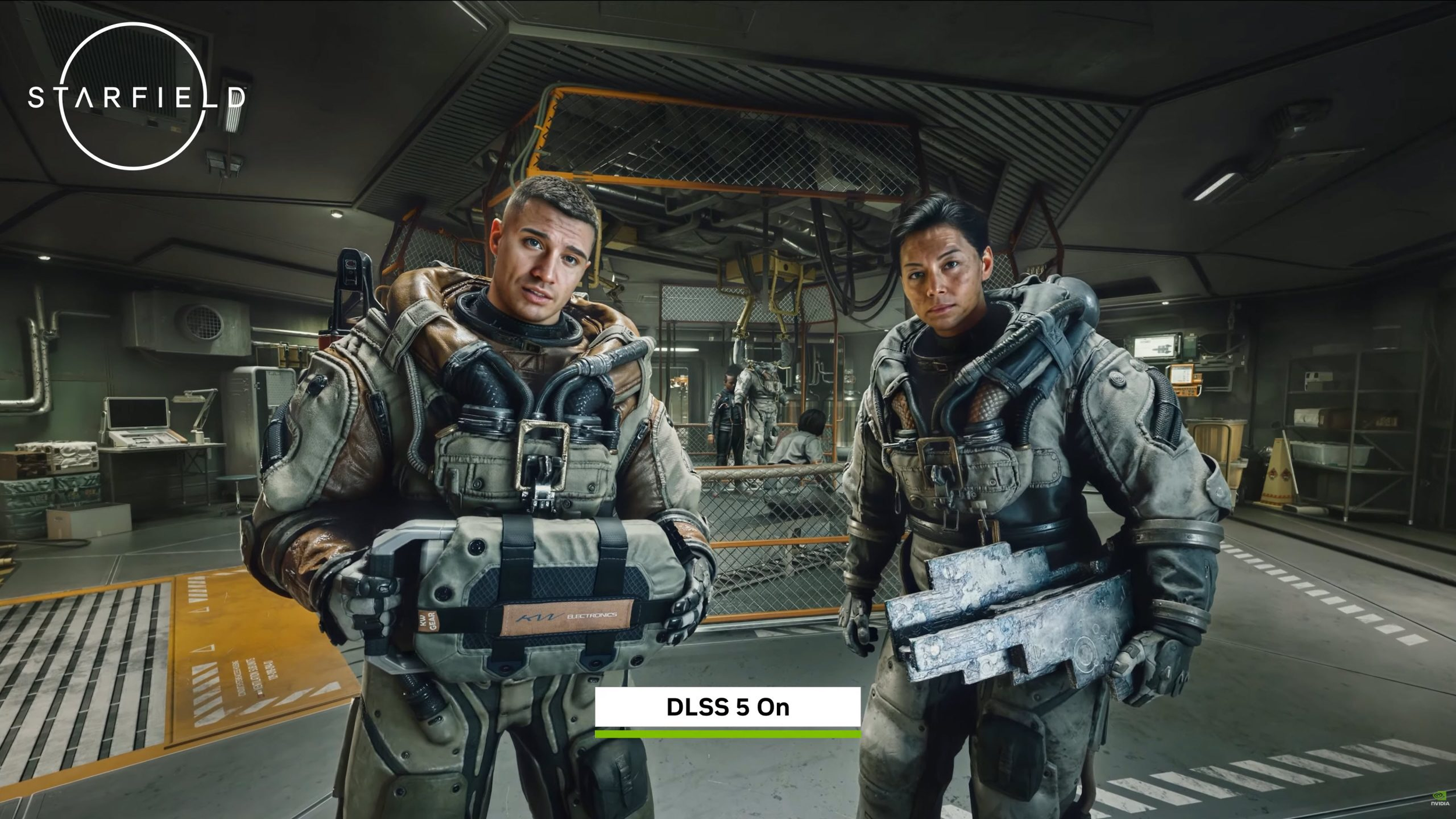
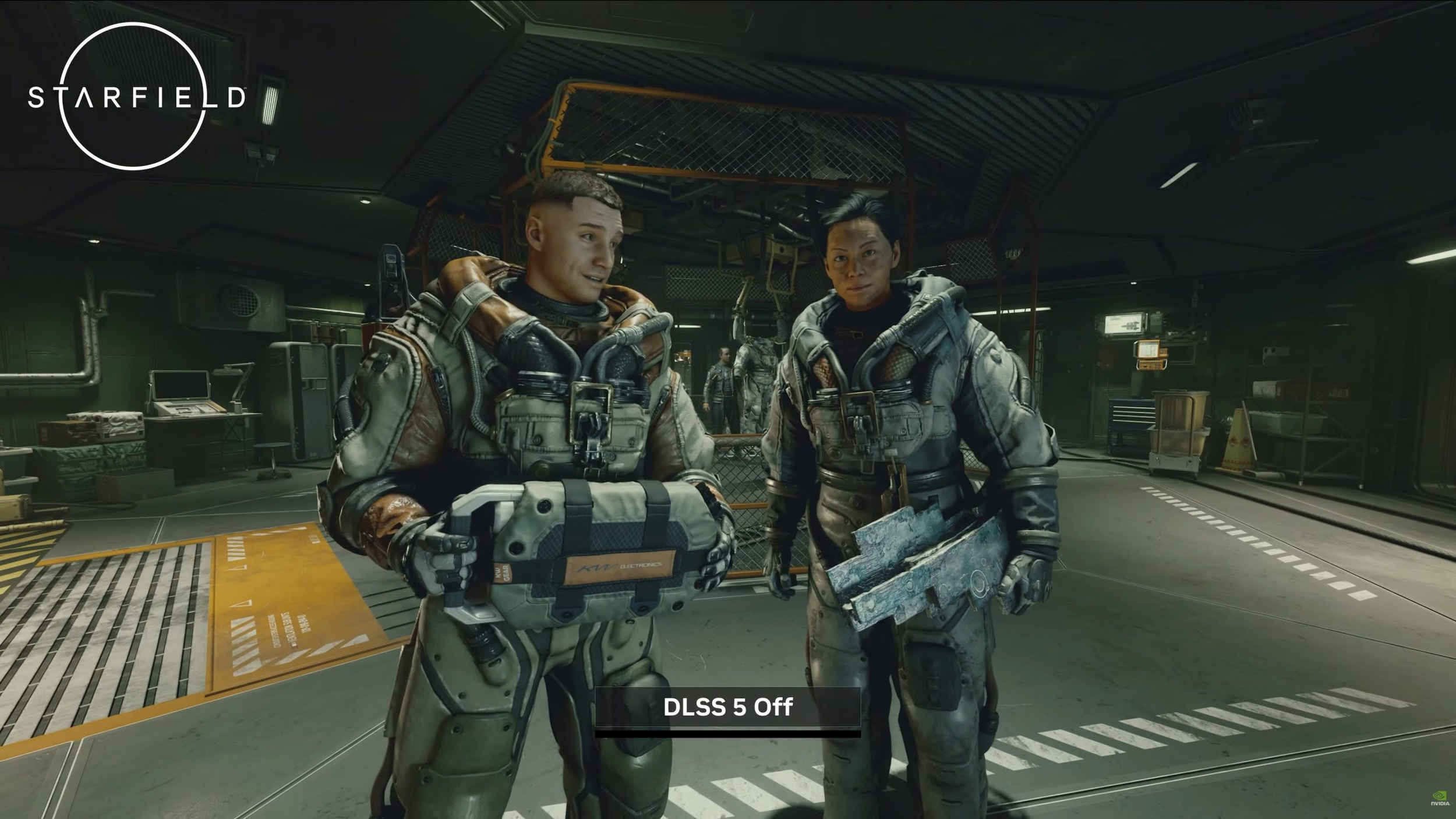
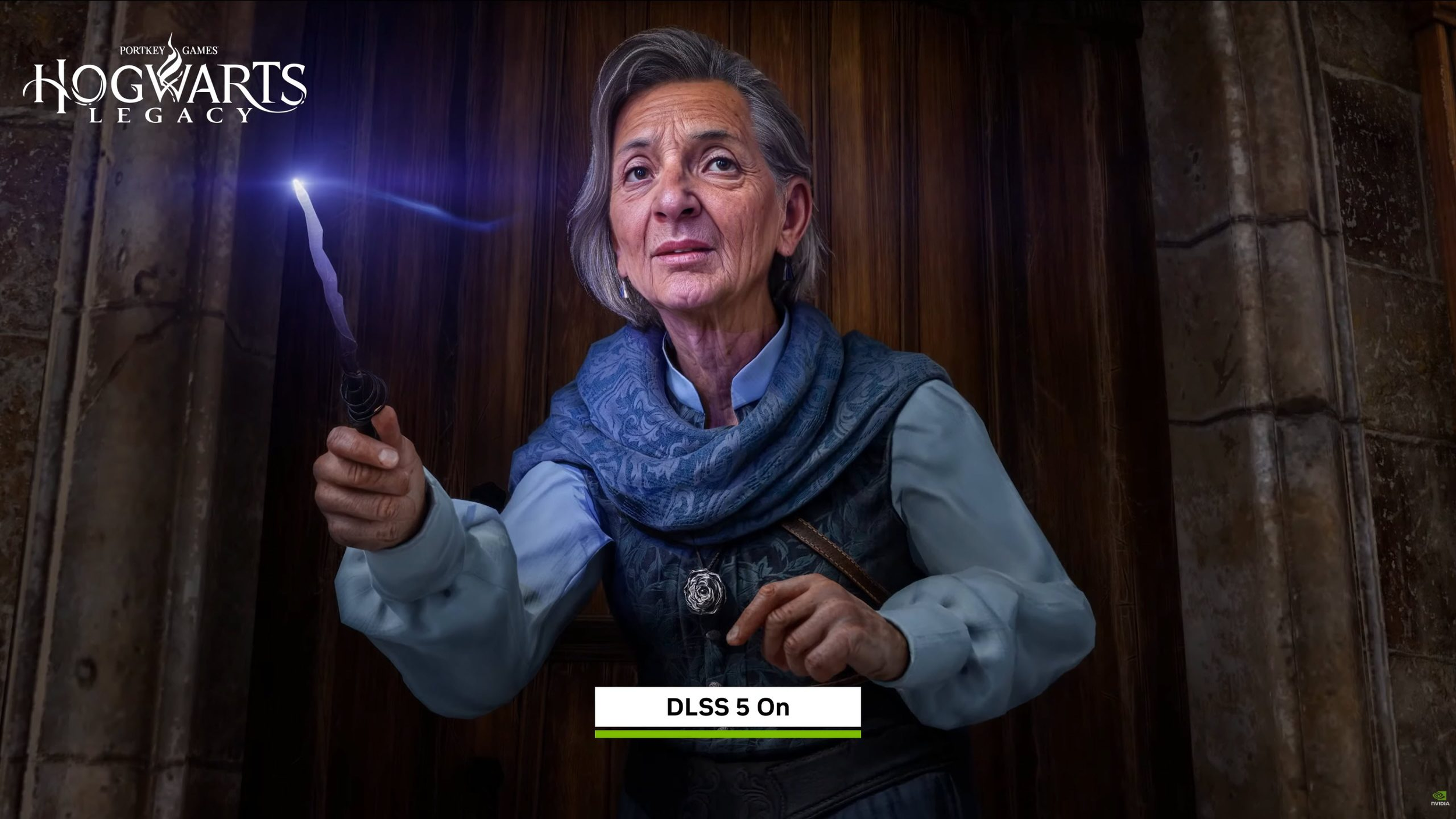
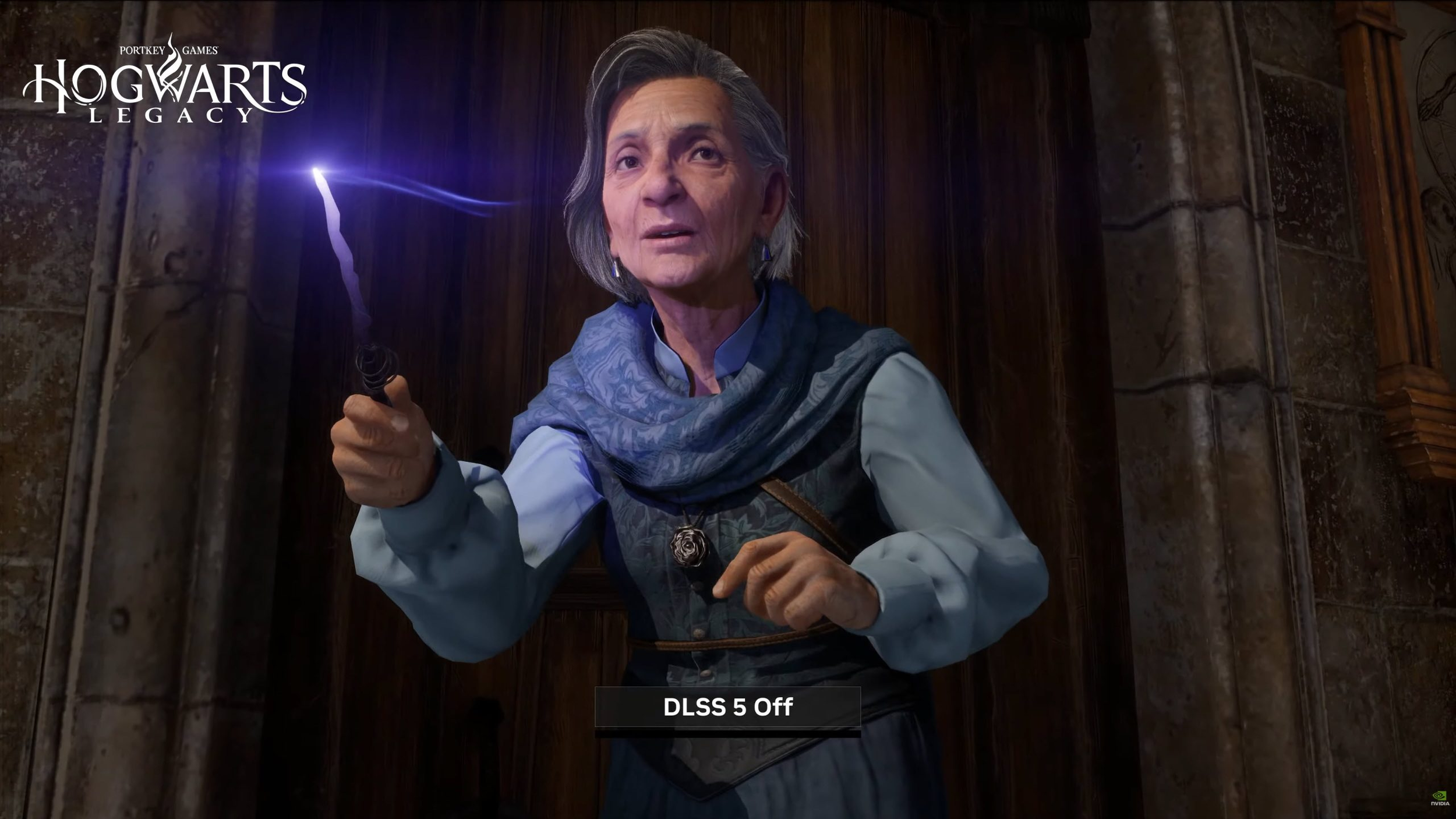
That early lineup matters because it suggests DLSS 5 is not being introduced as an isolated tech demo. NVIDIA is clearly trying to seed it across a range of major publishers and visually ambitious projects right from the start. In practical terms, that gives DLSS 5 a stronger runway than many graphics features get at first reveal, even if the real verdict will still depend on how consistent the final image quality looks across actual shipped games.
There is one important timing caveat, however. NVIDIA says DLSS 5 will arrive this fall, which means today’s announcement is a reveal, not an immediate rollout. The company is showing the direction now, but the true test will come later in 2026 when players can finally compare supported titles in live gameplay rather than staged demonstrations. NVIDIA’s own press release also includes the usual forward looking caution that features and timing remain subject to change.
Even with that caveat, this is one of the most significant graphics announcements of the year so far. DLSS has already evolved from an upscaler into a broader AI rendering ecosystem, and DLSS 5 pushes that transformation even further. If NVIDIA can deliver what it showed at GTC, the conversation around graphics will shift from simply rendering frames faster to actively rethinking how those frames are constructed in the first place.
What do you think, does DLSS 5 look like the next real leap in PC graphics, or do you want to see final game implementations before buying into the hype?
