
Morgan Stanley Warns DDR4 Prices Could Jump 50% in Q3 as HBM Drains Legacy DRAM Supply
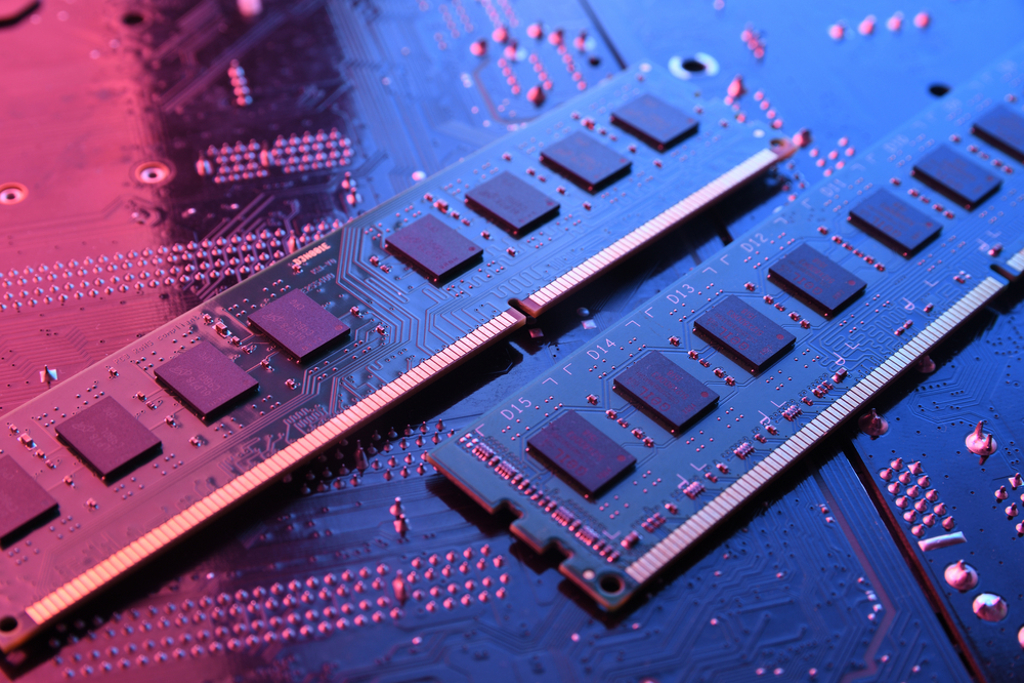
The global memory shortage is spreading deeper into older technologies, with Morgan Stanley forecasting DDR4 prices could increase by 50% during Q3 2026 followed by another increase of more than 10% in Q4. The investment bank attributes the pressure primarily to supply rather than unexpectedly strong DDR4 demand, as memory manufacturers continue reallocating production toward HBM, DDR5, and more advanced NAND products.
Morgan Stanley expects the situation to become even more aggressive for SLC NAND, forecasting price increases exceeding 50% during both Q3 and Q4 2026. The underlying problem is similar across both markets. Semiconductor manufacturers have limited wafer capacity, and increasingly valuable AI products provide stronger strategic and financial incentives than mature memory technologies. As production shifts toward HBM and DDR5 on the DRAM side and higher layer NAND on the storage side, buyers requiring older memory are competing for a shrinking supply pool.
ICYMI: MORGAN STANLEY SAYS MATURE MEMORY IS THE NEXT SQUEEZE — DDR4 +50% IN Q3, SLC NAND +50%+ IN BOTH Q3 AND Q4
— Antfeed (@antfeedapp) August 18, 2026
TIL: Morgan Stanley expects DDR4 prices to jump 50% in Q3 2026 and another 10%+ in Q4. SLC NAND could rise more than 50% in both quarters, with shortages potentially… pic.twitter.com/tBaJldlQiE
"What began as an AI infrastructure bottleneck is now spreading into hardware margins, device affordability, cloud costs, inflation and policy."
— Quote by: Morgan Stanley
The warning builds on Morgan Stanley’s broader analysis of AI memory, which expects servers to represent 59% of global DRAM demand by 2028, up from 37% in 2023. The firm estimates HBM consumption has expanded from roughly 10 TB in 2020 to approximately 18 PB in 2026, while large AI and cloud customers increasingly secure production through long term agreements and advance commitments.
ICYMI: BofA — DDR5 PRICES ARE STILL CLIMBING, UP 8% IN AUGUST AND 4.8X FROM A YEAR AGO
— Antfeed (@antfeedapp) August 18, 2026
TIL: BofA says spot prices for DDR5-5600/6400 24GB memory rose another ~8% MoM in August, bringing the YoY increase to roughly 483%.
Prices were only around $8 in mid-2025, then surged above… pic.twitter.com/h8y2gWXHiX
HBM also consumes substantially more manufacturing capacity than conventional DRAM. TrendForce has previously estimated that HBM requires more than 3 times the wafer capacity of standard DRAM, meaning every major expansion in HBM output places additional pressure on the amount of conventional memory manufacturers can produce from existing facilities.
The resulting shortage has created an unusual market where even conventional memory can generate extremely attractive margins. SK hynix has reportedly been rebalancing some production attention toward DDR5 because mainstream DRAM profitability has increased dramatically. That does not necessarily help DDR4, however, since additional capacity is more likely to prioritize DDR5 server memory and other higher value products rather than mature consumer DRAM.
There is little indication that the broader shortage will disappear quickly. SK hynix CEO Kwak Noh jung has already warned that 2027 could become the memory industry’s worst year from a supply perspective, with customer demand potentially remaining above the company’s available capacity beyond 2030. At the same time, expanding Chinese production from companies such as CXMT could eventually provide additional conventional DRAM supply, although meaningful relief may not arrive until 2027 or later.
DDR4 becoming dramatically more expensive while the industry moves toward DDR5 sounds counterintuitive, but mature memory can become extremely expensive precisely because manufacturers no longer want to produce enough of it. HBM does not simply compete with DDR5 for investment. Its rapid expansion indirectly affects DDR4, LPDDR4X, and other legacy products by pushing manufacturers toward newer and more profitable production.
For PC users maintaining older DDR4 platforms, that changes the traditional upgrade equation. DDR4 used to represent the inexpensive way to extend the life of an existing system. If Morgan Stanley’s forecast materializes, additional capacity upgrades could become increasingly expensive even though the technology itself is approaching the end of its mainstream lifecycle.
Would rising DDR4 prices push you to upgrade to a DDR5 platform sooner, or would you keep your current system and wait for the memory market to stabilize?
