
Intel Puts Nova Lake Desktop First as AMD Introduces Zen 6 Through EPYC Venice
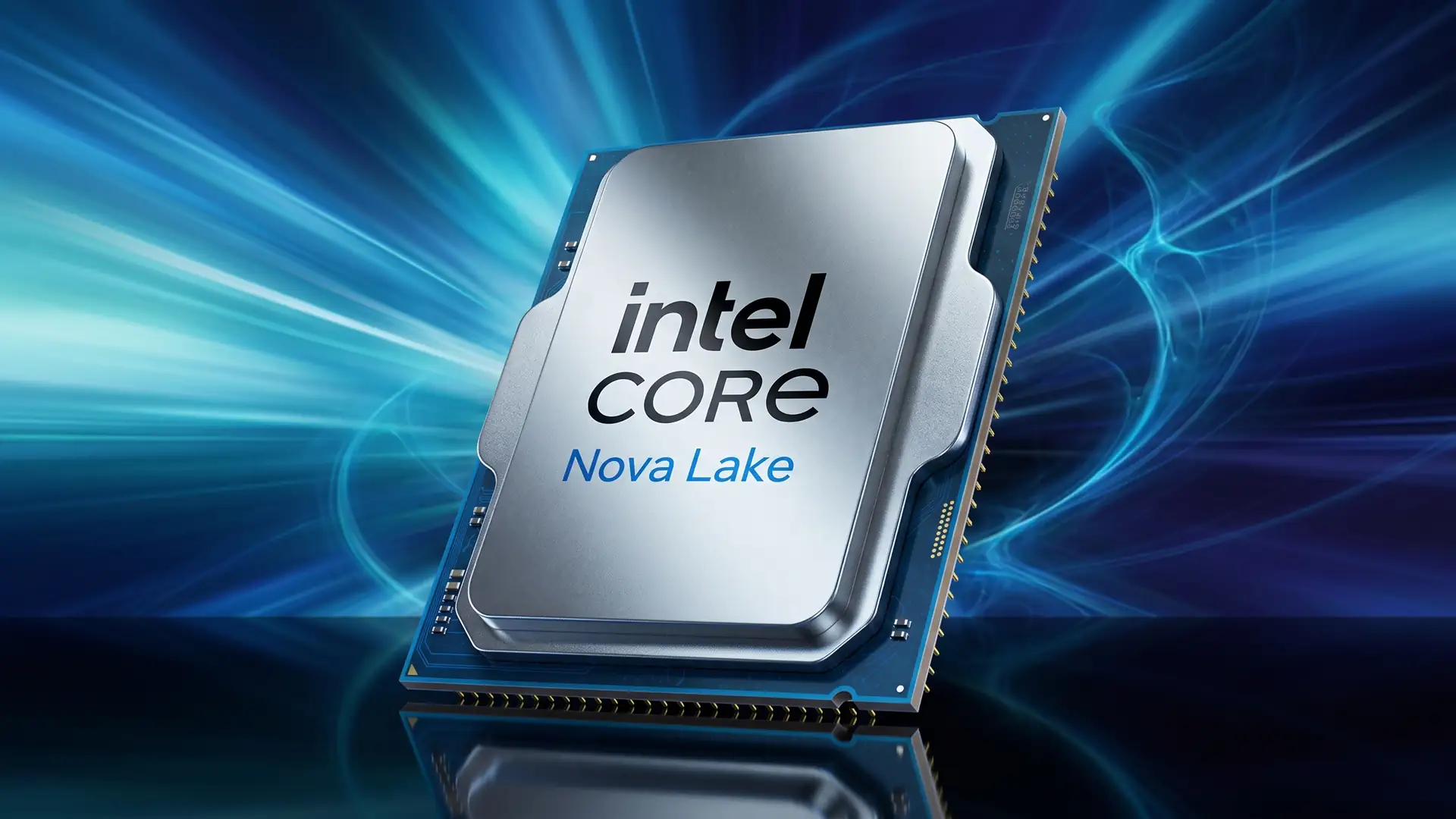
Intel is taking a different approach to its next major CPU architecture, prioritizing desktop enthusiasts while AMD has introduced Zen 6 through the data center first. Intel Vice President and General Manager Robert Hallock confirmed during an interview with Tom's Hardware that Intel's upcoming CPU core will arrive on desktop before reaching its server portfolio, strongly pointing toward the next generation Nova Lake family.
"I have a new core. It's coming to desktop first."
— Quote by: Robert Hallock
Hallock stopped short of explicitly naming Nova Lake in the statement, so the connection should technically remain an inference. However, Nova Lake is Intel's next major desktop architecture and is widely associated with new Coyote Cove Performance cores and Arctic Wolf Efficient cores. Hallock specifically made the comment while discussing AMD's decision to introduce Zen 6 through EPYC Venice before bringing the architecture into consumer Ryzen processors, making the competitive comparison clear.
That represents an interesting reversal of the companies' recent strategies. AMD traditionally introduced major Zen generations across consumer Ryzen before or around its EPYC expansion, but Zen 6 has arrived through servers first. AMD officially launched its 6th Gen EPYC Venice processors during Advancing AI 2026 in July, bringing Zen 6 into commercial data center systems while next generation consumer Ryzen processors remain ahead on the roadmap.
Venice is a substantial architectural step for AMD. The highest specification EPYC 9996 reaches 256 cores and 512 threads, while AMD says the generation delivers as much as 1.6 TB/s of memory bandwidth in supported configurations. The processors also form the CPU foundation of AMD's Helios rack scale AI systems alongside Instinct MI455X accelerators and Pensando networking. In earlier look at EPYC Venice and its 256 core design showed an enormous package built around 8 compute dies and 2 large I O dies, illustrating how aggressively AMD is scaling Zen 6 for AI infrastructure, cloud computing, and high performance servers.
Intel is instead placing its next major desktop architecture directly in front of PC enthusiasts. Nova Lake is expected to succeed the Arrow Lake generation and introduce a new LGA 1954 platform alongside significant changes to CPU architecture, cache, memory support, and integrated graphics. Recent information has pointed toward configurations reaching significantly higher core counts than current Intel desktop processors, although Intel has not yet published the final Nova Lake product stack.
One particularly interesting reported configuration combines 16 CPU cores with 12 Xe3P graphics cores, with preliminary information suggesting a 154 W chip wide PL2 limit and a dedicated 40 W allocation for the integrated graphics. Nova Lake 16 core desktop report, that design could give Intel a considerably more capable desktop graphics option while strengthening its position against AMD Ryzen APUs. Those specifications remain preliminary and have not been officially confirmed by Intel.
Intel also appears increasingly focused on rebuilding its relationship with desktop enthusiasts following the difficult reception surrounding the original Arrow Lake generation. Hallock said Intel is accelerating its gaming roadmap and has dedicated a substantially different organization to the desktop segment, including new product management and business teams. The group responsible for Arrow Lake Refresh is also moving forward with Nova Lake.
"I am accelerating for the gaming market. We're moving faster than we ever have in product, in release cadence."
— Quote by: Robert Hallock
Nova Lake is broadly expected during 2027, although Intel has not provided a final retail launch date. The company could also keep older architectures active at the lower end of the market, with reports suggesting Raptor Lake Next could preserve DDR4 desktop systems alongside Nova Lake. If that strategy materializes, Intel could simultaneously target enthusiasts with a completely new Nova Lake platform while continuing to serve budget buyers who want to avoid the cost of moving to newer DDR5 systems.
AMD's consumer Zen 6 response is expected through the desktop family commonly referred to as Olympic Ridge. Current reports point toward as many as 24 Zen 6 cores through dual 12 core CCD configurations, alongside improved DDR5 support, CUDIMM compatibility, and possible NPU integration. Zen 6 Ryzen desktop reports that AMD could replace the small integrated graphics block used by recent Ryzen desktop processors with dedicated AI acceleration. AMD has not officially confirmed those consumer specifications.
The competitive picture therefore looks unusually different heading into 2027. AMD has already deployed Zen 6 where server density, AI infrastructure, memory bandwidth, and cloud efficiency matter most, while Intel is signaling that its next CPU core will appear first where gaming performance, enthusiast perception, and desktop leadership are most visible. Intel will still have a major server response through Xeon 7 Diamond Rapids, currently positioned for 2027, while AMD's consumer Zen 6 family is expected to bring the architecture back into direct competition with Nova Lake.
Intel and AMD are effectively prioritizing the markets where each believes it has the most strategic ground to gain. AMD's server business has become increasingly important, and introducing Zen 6 through Venice allows the company to attack AI infrastructure and cloud deployments with its newest architecture immediately. For Intel, the enthusiast desktop market has become a reputation problem after Arrow Lake, making Nova Lake an opportunity to rebuild confidence around gaming performance and platform value.
Launching the new architecture on desktop first does not guarantee Intel a performance advantage, but it makes the company's priorities very clear. Nova Lake needs to be more than another generational refresh. If Intel wants enthusiasts to "do the math," it will ultimately need gaming benchmarks, competitive pricing, strong memory performance, and a platform that offers a convincing reason to leave existing Ryzen and Raptor Lake systems behind.
Which strategy makes more sense to you, Intel bringing its newest CPU architecture to desktop gamers first, or AMD prioritizing servers and AI infrastructure before launching Zen 6 Ryzen?
