
Sony Still Has Not Set PS6 Launch Date as Memory Costs Reshape PlayStation Strategy
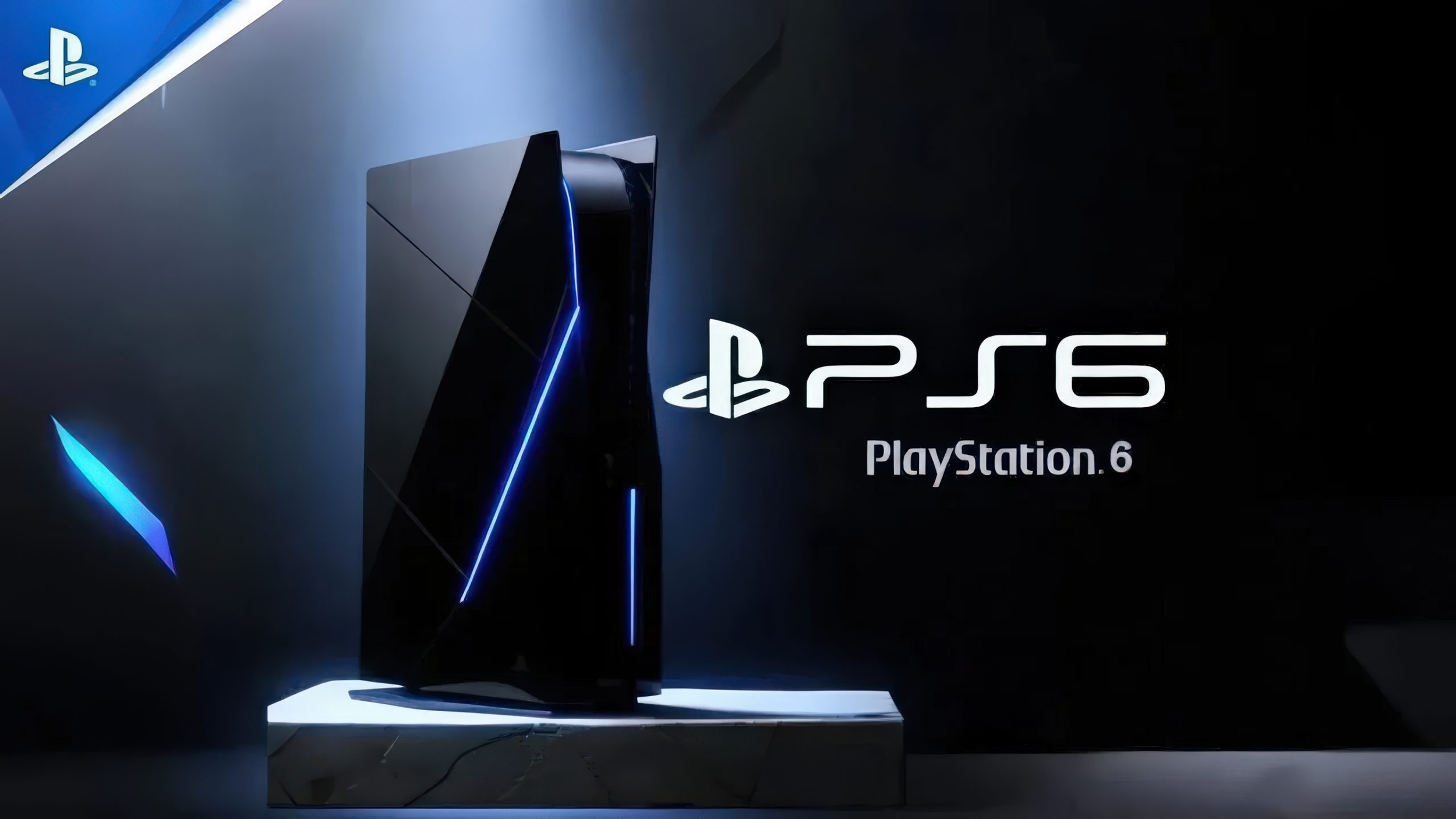
Sony has still not decided when its next generation PlayStation will launch, with President and CEO Hiroki Totoki confirming that the company has yet to lock a release date as rising component costs and an increasingly difficult hardware market influence its plans. Speaking with The Wall Street Journal, Totoki also discussed a much broader transformation underway at Sony, where entertainment, intellectual property, gaming, music, movies, and anime are becoming increasingly central to the company's long term strategy.
The latest statement reinforces what Sony had already told investors earlier in 2026. During its Corporate Strategy and Earnings Q&A, management confirmed that neither the timing nor pricing of its next generation gaming platform had been decided. Sony said memory prices were expected to remain elevated while supply conditions stayed tight through 2027, forcing the company to evaluate hardware costs, pricing, promotional spending, sales strategies, and potentially even adjustments to its business model before determining the optimal path forward.
"As for next generation platforms, no decisions have been made regarding timing or pricing."
— Quote by: Sony
The memory situation is particularly important because Sony does not appear willing to return to the traditional console model where hardware can be sold at substantial losses to rapidly build an installed base. During its latest Game and Network Services investor meeting, Sony stated that it does not intend to sell hardware at significant losses and acknowledged that it cannot realistically absorb every increase in component costs. The company instead wants customers to understand the value delivered by the hardware relative to its price.
This is becoming increasingly relevant as speculation surrounding PlayStation 6 pricing intensifies. Previous reports suggested dramatically higher manufacturing costs for the next generation console as memory, storage, and semiconductor prices rise, something examined in earlier coverage of the reported PlayStation 6 bill of materials approaching 1,000$. Those figures remain unofficial, but Sony's own acknowledgement that memory prices and component costs are influencing its planning makes the broader affordability problem increasingly difficult to ignore.
Sony has at least secured enough memory to cover its expected PlayStation 5 sales during the current fiscal year. Its latest Q1 FY2026 financial results confirm that the company has secured the memory required for projected PS5 sales volumes and still expects hardware profitability to remain broadly similar to the previous fiscal year. Sony is nevertheless continuing to monitor memory availability as it evaluates additional PS5 production and prepares for its future platform.
The uncertainty does not mean development of the next PlayStation has stopped. Sony's latest financial results actually include increased investment in the next generation platform, while its Game and Network Services division generated 937.1 billion yen in Q1 FY2026 sales and 202 billion yen in operating income, representing a 37% increase in operating income compared with the previous year. The PlayStation platform also reached 125 million monthly active accounts in June 2026, a record for the month.
Sony Interactive Entertainment has also made it increasingly clear that the next generation will involve more than simply replacing the PS5 with a faster traditional living room console. During its June investor discussions, the company said it wants future PlayStation experiences to extend naturally beyond the living room, responding to changes in how players use personal displays, portable devices, and other gaming environments. Sony said the next generation platform should offer something uniquely PlayStation rather than simply attempting to function as an alternative gaming PC.
That strategy could involve a much broader ecosystem around dedicated hardware, cloud gaming, PlayStation Portal style devices, and digital services. Sony specifically noted that cloud streaming requires relatively little local memory, making thin client hardware increasingly attractive when memory prices are high. At the same time, it continues to describe proprietary PlayStation hardware as the foundation for delivering its gaming experience, suggesting that dedicated consoles remain important even as the wider ecosystem expands.
Sony has also made clear that it is not planning its next generation launch simply by watching Microsoft. The company says next generation hardware requires such long development lead times that synchronizing a launch with a competitor at short notice would not be practical. Final timing will instead depend on a wider combination of technological progress, pricing, marketing considerations, and regional conditions.
That means current expectations of a 2027 or 2028 PlayStation 6 launch remain expectations rather than official dates. Sony previously confirmed that PS6 timing remained undecided when we examined the impact of memory pricing on the next PlayStation launch, and the company's latest comments show that position has not changed. Analysts have increasingly shifted expectations toward 2028 as AI infrastructure demand continues placing pressure on memory pricing, but Sony itself has not committed to that year.
Totoki's wider comments suggest that this hardware decision is occurring during a fundamental transformation of Sony itself. The company that built much of its global identity around televisions, audio equipment, cameras, and PlayStation hardware is increasingly concentrating on entertainment businesses and intellectual property that can move between games, film, television, music, and anime. Approximately 2 thirds of Sony's revenue now comes from entertainment related businesses, according to The Wall Street Journal's profile of the company's changing strategy.
"A CEO's most important task is simply making sure the business survives."
— Quote by: Hiroki Totoki
That does not mean PlayStation hardware is becoming irrelevant. Sony's own investor documentation describes dedicated hardware as the base of the PlayStation gaming experience and confirms continued investment in its next generation platform. What is changing is the role that hardware plays inside the wider company. Sony increasingly wants PlayStation to function as a digital platform and intellectual property ecosystem rather than a business whose success depends primarily on selling another console every several years.
The biggest takeaway is not that PlayStation 6 has been delayed. There is still no official launch date to delay. Sony is maintaining flexibility while memory and semiconductor economics remain unusually volatile, and that is probably the most rational position for a console expected to remain on the market for many years.
The harder problem is pricing. Sony openly says it does not want to sell next generation hardware at significant losses, while memory costs remain elevated and players are already facing increasingly expensive gaming hardware. If the company launches too early, PlayStation 6 could arrive at a price that makes mass adoption difficult. If it waits too long, the PS5 generation becomes increasingly extended while PC hardware and competing platforms continue evolving.
Sony's answer appears to be making the next PlayStation transition about more than raw performance. A stronger digital ecosystem, backward compatibility, portable access, cloud gaming, AI assisted graphics, and PlayStation intellectual property could become just as important as the console itself. PS6 is clearly coming, but Sony increasingly looks prepared to launch it when the economics and platform strategy make sense rather than because a traditional 7 year console cycle says it should.
Would you rather Sony delay PlayStation 6 until component prices improve, or launch the system earlier even if that means a substantially higher price?
