
PS6 Launch Timing Still Undecided as Sony Warns Memory Costs Remain High and Takes a Major Bungie Hit
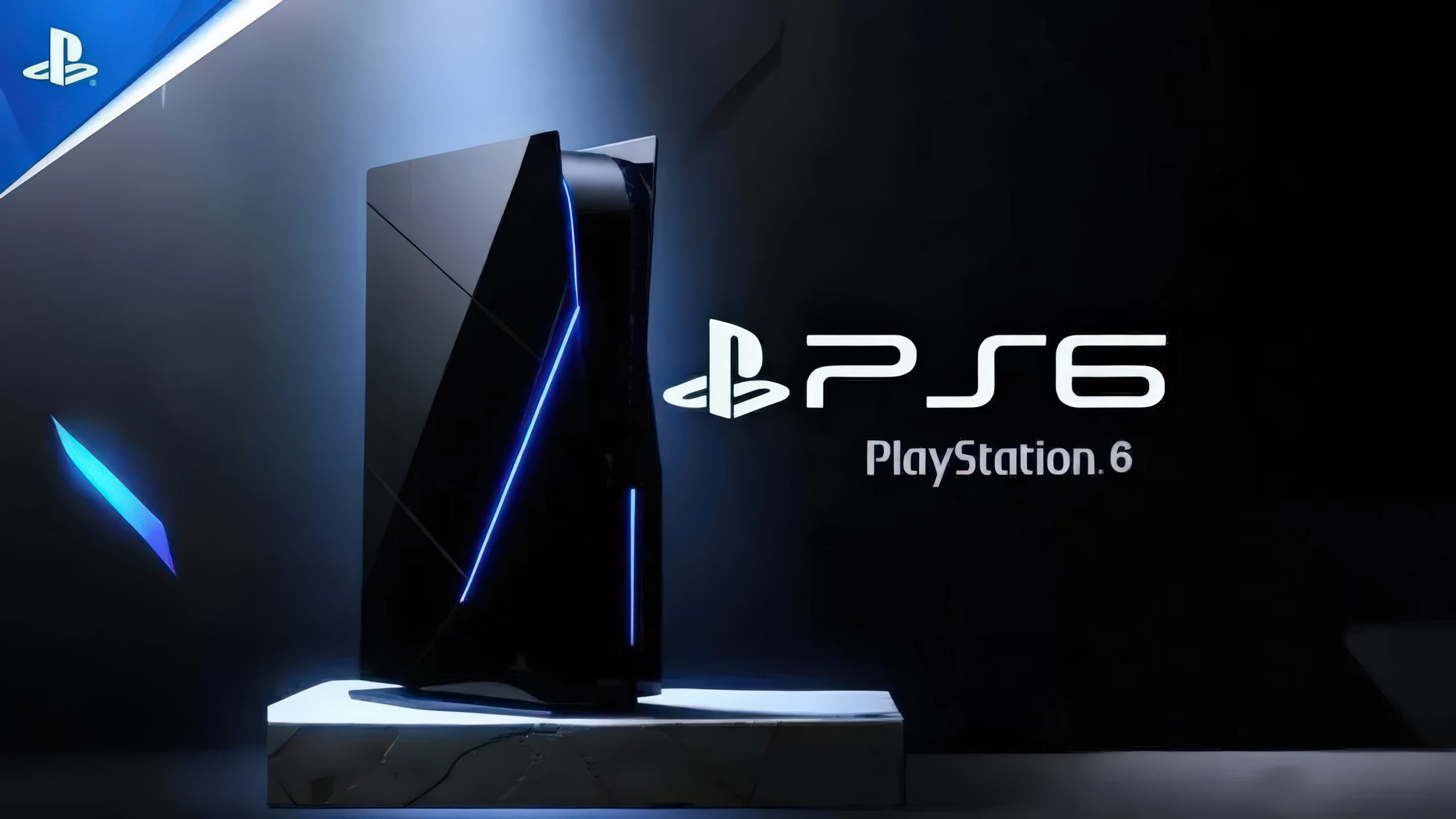
Sony’s latest financial results show a company that is still performing strongly overall, but the bigger gaming story sits in what management said about the next PlayStation. During the discussion around its latest results, Sony indicated that the launch timing for its next generation console is still not locked in, with memory supply and pricing remaining a major variable. That matters because the company expects memory prices to stay elevated into the next fiscal year, which means the cost structure around future hardware is still under pressure. Sony also said it plans PS5 hardware sales based on how much memory it can secure at reasonable prices, while its Game and Network Services forecast remains effectively flat on a comparable basis because of higher investment in the next generation platform.
That does not confirm a 2028 PS6 launch, and it would be a mistake to present that as settled. What Sony has actually confirmed is that timing is still undecided and that memory pricing is one of the factors shaping that decision. In practical terms, this gives more weight to the idea that the company is keeping its options open rather than rushing toward a fixed launch window while the memory market remains tight. Given how heavily AI infrastructure demand has distorted memory availability across the wider semiconductor market, that caution looks more strategic than surprising.
The official numbers themselves were still solid. Sony’s continuing operations posted ¥12.48 trillion in sales, up 4% year on year, and ¥1.45 trillion in operating income, up 13%, with operating margin improving from 10.6% to 11.6%. Net income attributable to stockholders slipped 3% to ¥1.03 trillion, showing that while the broader business stayed healthy, profit conversion was not as clean as the topline momentum might suggest.
As usual, Game and Network Services remained Sony’s biggest business by sales, reaching ¥4.69 trillion in FY2025. Segment operating income climbed to ¥463.3 billion, and Sony said the segment would have delivered a much stronger earnings expansion without the Bungie impact. The company explicitly stated that operating income in the segment increased 45% year on year excluding one time items, while monthly active users in March rose 1% to 125 million, a record high for the fiscal fourth quarter.
PS5 hardware still beat Sony’s own yearly forecast, but the momentum is clearly slowing. Sony shipped 1.5 million PS5 units in the fiscal fourth quarter, down sharply from 2.8 million a year earlier. For the full fiscal year, Sony shipped roughly 16 million PS5 units, ahead of its earlier 15 million target, bringing lifetime PS5 shipments to 93.7 million. That combination tells a familiar console story. The installed base is still expanding at scale, but the hardware growth curve is no longer doing the heavy lifting. Instead, recurring revenue through digital services and software is carrying more of the segment’s performance.
That shift is visible in Sony’s own commentary. Network services and non first party software helped offset weaker hardware volume, and total play time in Q4 also rose 1% year on year. This is strategically important because it shows Sony’s ecosystem is still monetizing effectively even as console unit sales cool. In other words, PS5 is now behaving more like a mature platform business than a pure hardware growth story.
The biggest drag on the segment was Bungie. Sony recorded ¥120.1 billion in impairment losses against Bungie’s intangible and other assets in FY2025, including ¥31.5 billion in Q2 and ¥88.6 billion in Q4. It also recorded ¥18.3 billion in expenses tied to correcting certain previously capitalized development costs. Put simply, Sony has now formally marked down the value of Bungie in a very visible way. Given the acquisition price of $3.6 billion back in 2022, the optics here are difficult to ignore. Even if management does not frame it that way publicly, this is the kind of charge that inevitably reopens the question of whether Sony overpaid.
Sony’s FY2026 guidance is where the forward picture gets more interesting. The company forecasts continuing operations sales to decline to ¥12.3 trillion, down 6%, while operating income is expected to rise to ¥1.6 trillion, up about 11% in the official presentation and roughly 30% for the gaming business in the segment context because the Bungie related one time damage will not repeat. Sony also said Game and Network Services operating income should be essentially flat compared with FY2025 when excluding one time items, because next generation platform investment is ramping up. That is the clearest official signal yet that PS6 related spending is already moving meaningfully through the business.
Taken together, the message is straightforward. Sony’s gaming business is still strong, but the economics of the next hardware cycle are being shaped by a memory market that remains tight and expensive. At the same time, Bungie has become a real financial drag rather than the strategic boost many expected when the deal closed. That leaves Sony in a transitional position where PS5 is still commercially successful, PS6 investment is already underway, but the timing of the next console appears flexible because component realities are dictating caution.
Do you think Sony should delay PS6 until memory prices normalize, or launch earlier and accept a tougher hardware margin environment?
