
Xbox’s Leaked Project Green Leaf May Target Better Windows Handheld Battery Life With Developer Driven Power Savings
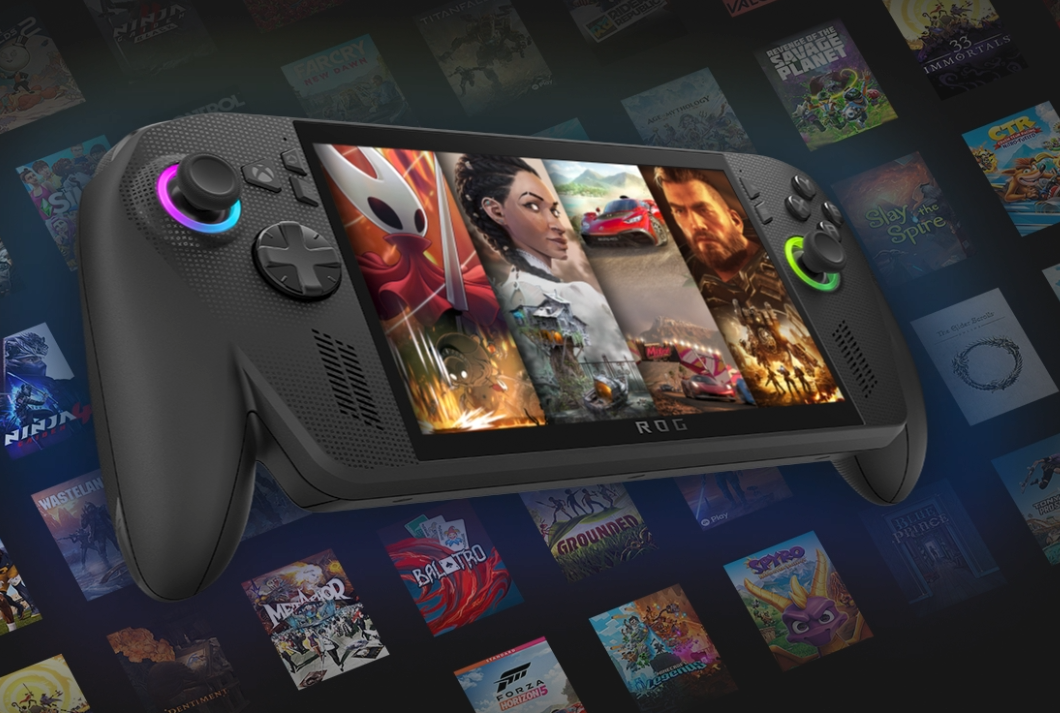
Microsoft may have canceled its own dedicated Xbox handheld for now, but a new leak suggests the company is still actively exploring how to improve handheld gaming on Windows. According to reporting built around material shared by Moore’s Law is Dead, an internal initiative called Project Green Leaf is focused on reducing power consumption on Windows gaming handhelds by pushing new optimization options directly through the Xbox GDK, with claimed savings of up to 30% in some internal tests. At this stage, though, it is important to be clear that Project Green Leaf remains unconfirmed by Microsoft, and there is no public mention of it in Microsoft’s official April 2026 GDK release notes.
The reported idea behind Green Leaf is notably different from the lower power strategy recently associated with PlayStation. Instead of leaning on a more hardware directed or platform level requirement, the leak claims Microsoft wants to give developers more flexible tools to define where power can be saved inside their games. The two main profiles mentioned are Power Optimized and Power Optimized Plus, which reportedly encourage developers to lower resolution, cap performance, or ease workload during moments like menus, lobbies, and quieter gameplay segments where players are less likely to notice visual compromises. If true, that would make Green Leaf a software and design driven answer to one of the biggest problems on current Windows handhelds: battery life.
That flexibility is what makes the leak interesting. Windows handhelds have consistently struggled to match the Steam Deck’s efficiency, largely because the broader Windows ecosystem carries more overhead and less unified optimization than a tightly controlled custom platform. A GDK level initiative that helps developers build battery aware behavior directly into games could be a meaningful step if Microsoft actually rolls it out and if developers adopt it. The leak claims internal testing in games including Fortnite showed power savings of up to 30%, which would be a big improvement for portable play sessions if it translates into shipping builds. Since these numbers come from leaked material rather than an official Microsoft benchmark presentation, they should still be treated cautiously.
The comparison with Sony is also part of why this story is getting attention. Sony’s PS5 Power Saver mode is already public and has been widely interpreted by industry watchers as groundwork for future portable or lower power PlayStation use cases. Reporting on that feature describes a more top down system level reduction in game performance for supported titles, whereas the Green Leaf leak points to Microsoft trying to solve the same class of problem through developer controllable profiles and selective software behavior. That would not necessarily make one approach better than the other, but it would highlight a real philosophical difference between the two platform holders.
Just as importantly, Green Leaf fits the broader direction Microsoft has been hinting at for some time. Even if a first party Xbox handheld is no longer the immediate focus, improving the handheld experience across Windows still supports Microsoft’s ecosystem goals. Better battery life on partner devices would strengthen Game Pass portability, improve the appeal of Windows based gaming handhelds, and help Microsoft stay relevant in a segment where the Steam Deck still sets the benchmark for usability and efficiency. In that sense, even an unconfirmed project like Green Leaf makes strategic sense.
The leak also claims that the first phase of Project Green Leaf could begin appearing as early as May or June 2026, though again, that timing comes from reporting around the leak rather than any official roadmap from Microsoft. As of now, the company’s public April 2026 GDK update includes other PC focused features such as native ARM64 build support and packaging improvements, but nothing that confirms Green Leaf by name. That gap between rumor and official documentation is worth keeping front and center.
For handheld players, the idea itself is easy to understand. If Microsoft can help developers trim unnecessary power use without forcing obvious visual sacrifices during the parts of a game where it matters most, Windows handhelds could become far more practical. But until Microsoft says something publicly, Project Green Leaf remains one of those leaks that feels plausible, strategically sound, and potentially important, while still sitting firmly in rumor territory.
What do you think, would a developer driven battery saving system be enough to make Windows handhelds genuinely more competitive, or does Microsoft still need a tighter hardware software approach?
