
SK hynix Begins Mass Production of 192GB SOCAMM2 for NVIDIA Vera Rubin and Next Generation AI Data Centers
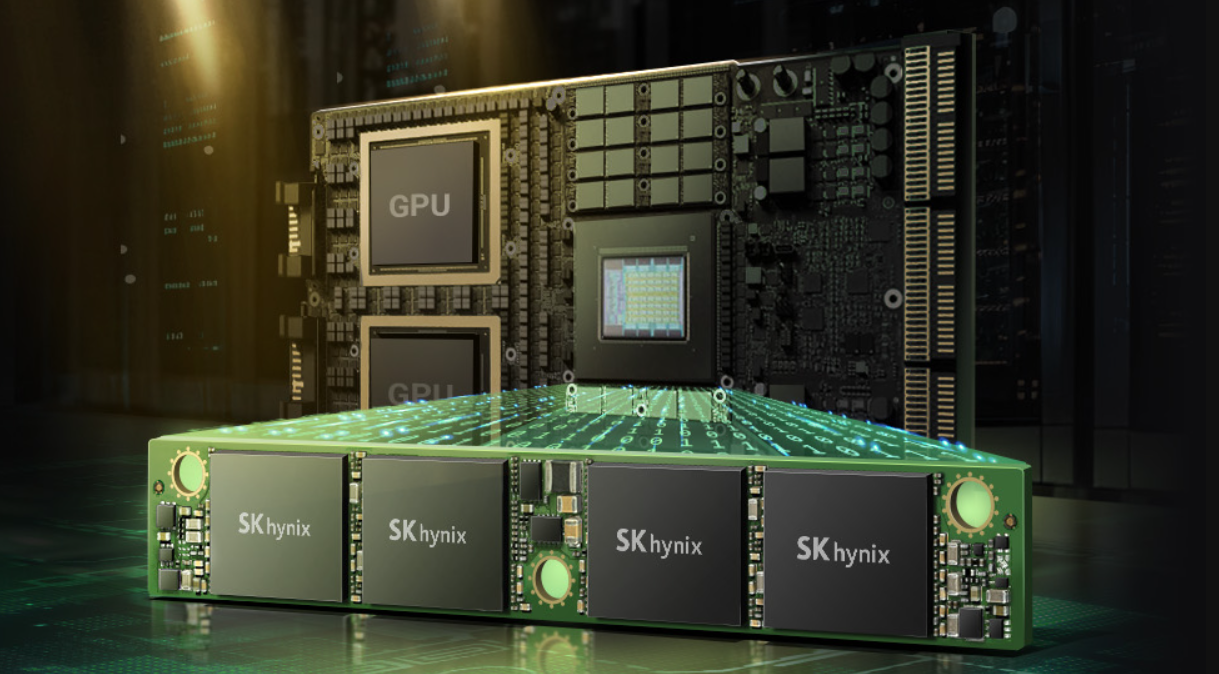
SK hynix has officially moved its 192GB SOCAMM2 memory module into mass production, marking an important step for the next wave of AI infrastructure centered around NVIDIA’s Vera Rubin platform. According to the company, the new module is built on its 1cnm class sixth generation 10 nanometer LPDDR5X DRAM process and is positioned as a next generation server memory solution tailored for AI workloads, especially the kind of large scale training and inference tasks now driving hyperscale investment across the industry. The company states that this SOCAMM2 design delivers more than 2x the bandwidth of conventional RDIMM while also improving power efficiency by over 75%, a combination that directly targets one of the biggest pressure points in modern AI systems, which is memory throughput per watt.
What makes this launch especially significant is its direct alignment with SOCAMM2 deployment for NVIDIA’s upcoming Vera Rubin platform. NVIDIA has described Vera Rubin as a platform built for agentic AI and reasoning workloads, with a strong focus on removing bottlenecks tied to communication and memory movement across large scale AI systems. In that context, SK hynix’s mass production update is more than just another memory announcement. It is a signal that the supporting memory ecosystem for Rubin class AI infrastructure is moving into execution mode, not just roadmap mode.
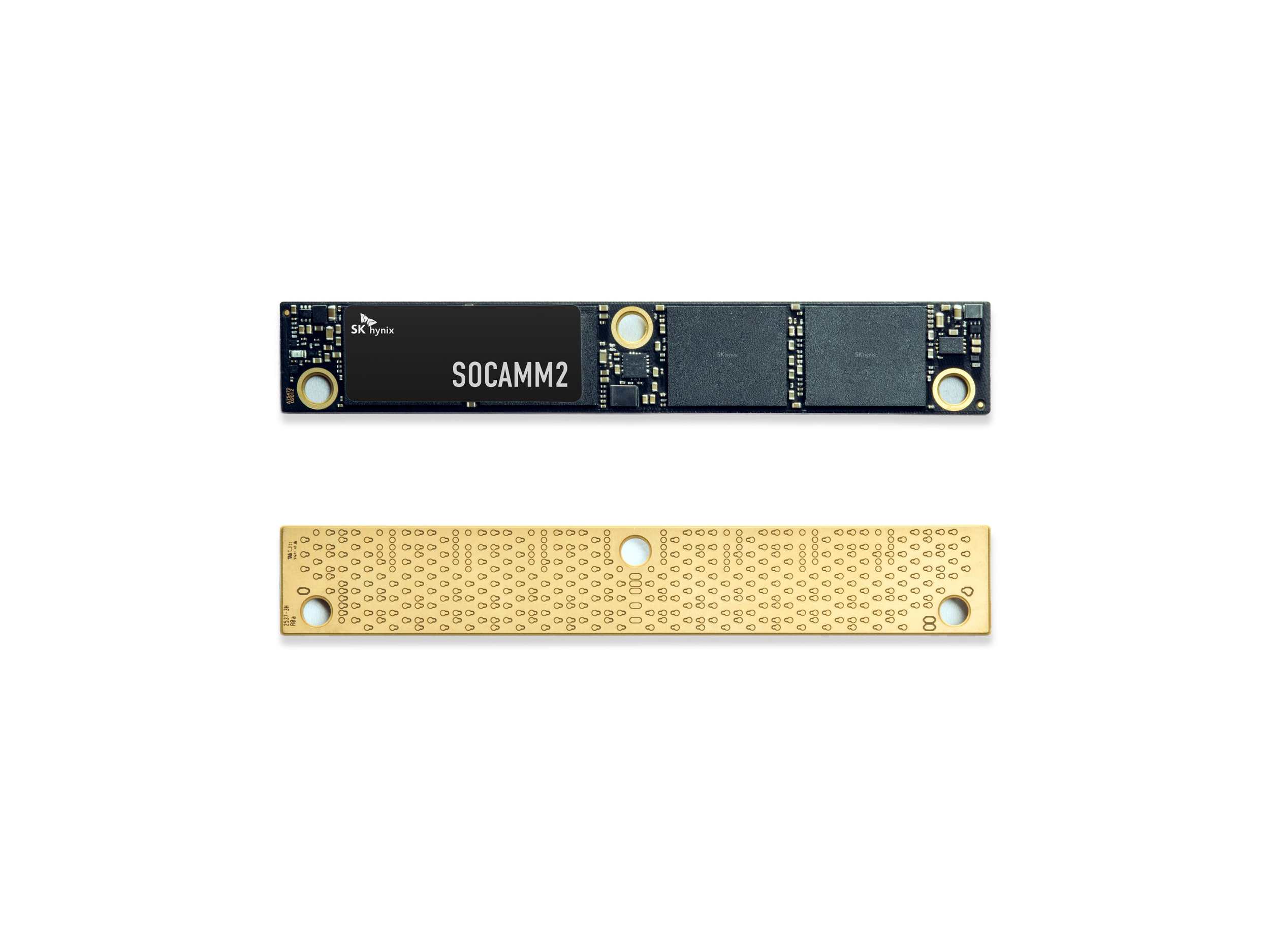
SK hynix also expects the new 192GB SOCAMM2 to help ease the memory bottlenecks encountered when training and running large language models with hundreds of billions of parameters. That matters because the AI market is no longer focused only on raw accelerator count. The broader competitive battleground now includes memory bandwidth, power efficiency, scalability, and serviceability inside dense AI server deployments. SOCAMM2 addresses that through an LPDDR based design adapted for server environments, combining a slim form factor, high scalability, and a compression connector structure intended to improve signal integrity while also allowing easier module replacement.
From a market perspective, this is an important pivot point. AI infrastructure demand is increasingly split between inference expansion and larger, more demanding training clusters. As cloud service providers push to scale both sides of that equation, components that can lower power draw while increasing usable memory bandwidth become strategically valuable. That is why SOCAMM2 is drawing attention as a possible cornerstone memory format for next generation AI servers. SK hynix emphasized that it moved early to stabilize mass production in order to support global cloud customers, which suggests the company is aiming to secure not just design wins, but long term supply relevance in the AI server memory stack.
For NVIDIA, the broader story is ecosystem readiness. Vera Rubin is being positioned as one of the company’s defining platforms for the agentic AI era, and that means the surrounding supply chain must scale accordingly. Memory is one of the most critical parts of that equation. While GPUs remain the headline hardware, the practical performance of AI factories also depends on how efficiently data can be fed, stored, and moved. In that sense, SK hynix’s 192GB SOCAMM2 entering mass production is a strong indicator that the memory side of Rubin’s rollout is advancing with real momentum.
The larger takeaway is clear. As AI data centers evolve, victory will not be determined by compute silicon alone. Memory architecture is becoming one of the central competitive layers, and SOCAMM2 looks set to play a meaningful role in that transition. For SK hynix, this is a high value positioning move inside the AI infrastructure race. For NVIDIA and its partners, it is another sign that the Vera Rubin generation is assembling the component ecosystem needed to support the next phase of AI scale.
What do you think about SOCAMM2 as a next generation AI server memory standard, and do you see LPDDR based server memory becoming a bigger part of future AI infrastructure?
