
CXMT DDR5 Yield Reportedly Breaks 90% as China Narrows the DRAM Manufacturing Gap
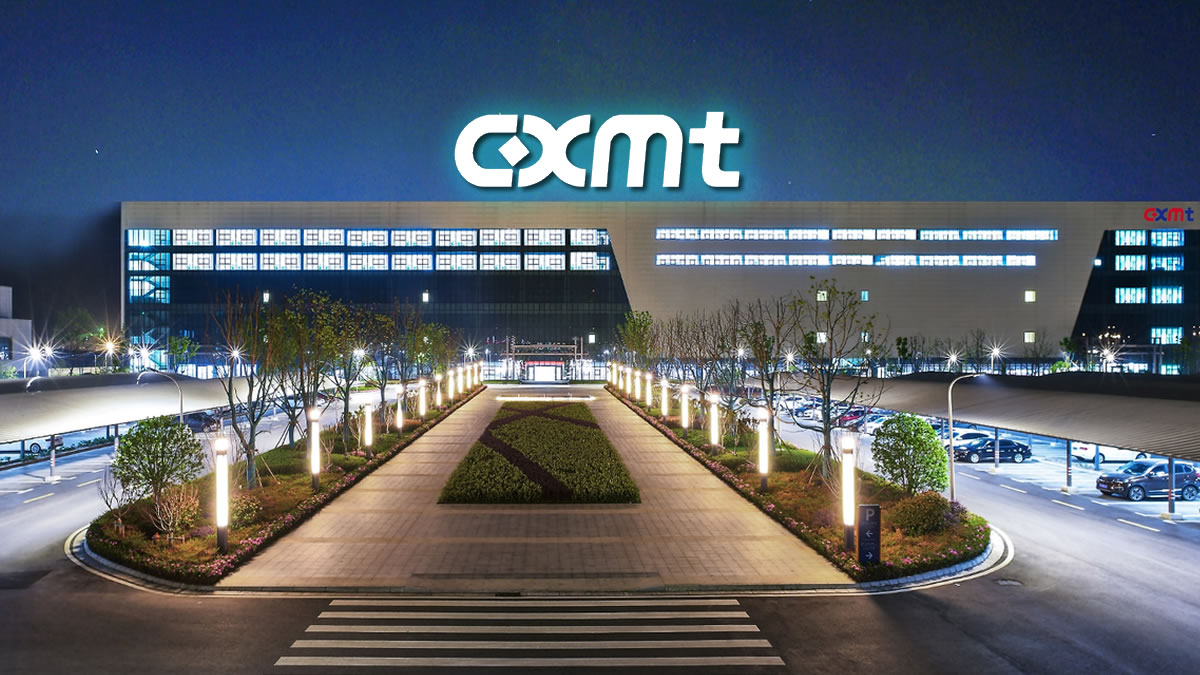
China's ChangXin Memory Technologies is reportedly achieving yields above 90% on its 17 nm class DDR5 production, marking another major improvement for the country's largest DRAM manufacturer as it attempts to close the manufacturing gap with Samsung, SK hynix, and Micron. The milestone could also significantly improve CXMT's ability to increase DDR5 shipments at a time when global memory supply remains under intense pressure.
According to MyDrivers, CXMT's 17 nm DDR5 yield has surpassed 90%, compared with a reported 92% to 93% yield for comparable Samsung production. The figures have not been independently confirmed by CXMT, but they represent a substantial improvement from late 2024, when reports placed CXMT DDR5 yields near 80%. A Citi analysis at the time projected that CXMT could reach approximately 90% by the end of 2025.
The reported improvement is particularly significant because Reuters reported as recently as Q1 2026 that CXMT was still experiencing low yields on newer DDR5 products. If the latest figures accurately represent volume production, CXMT has made considerable progress within only a few quarters and could now manufacture a much larger percentage of usable dies from each wafer.
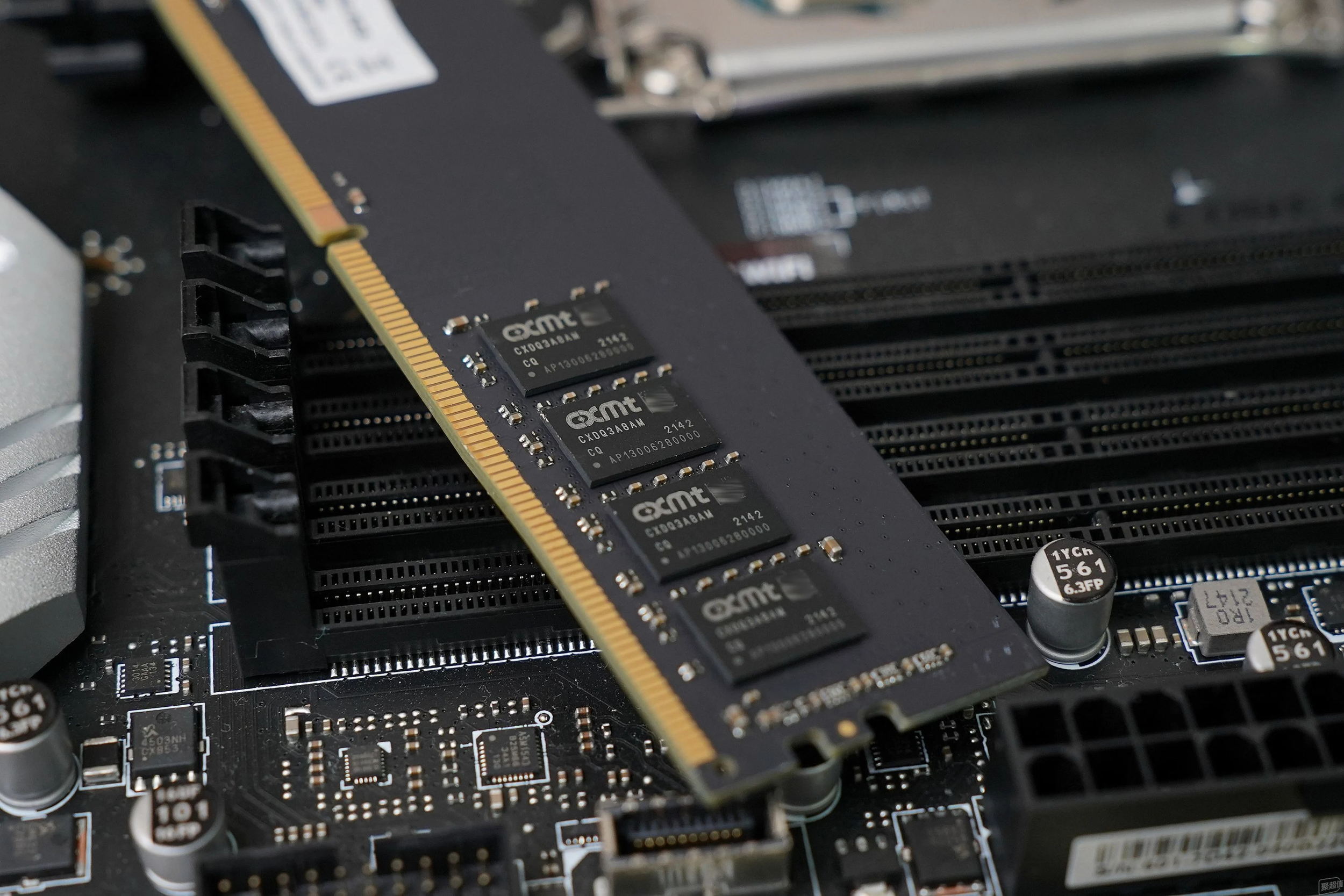
CXMT's DDR5 portfolio has also advanced beyond basic production maturity. The company's official specifications now include DDR5 chips reaching up to 8000 Mbps with 16 Gb and 24 Gb die capacities, on die ECC, and approximately 20% lower power consumption compared with DDR4. MSI has already validated CXMT memory above DDR5 8000 across Intel 800 series motherboards following dedicated BIOS optimization.
Enthusiast performance is progressing even further. Recent Colorful testing pushed CXMT DDR5 beyond 8800 MT/s on AMD AM5, including a 32 GB configuration using 2 × 16 GB modules. While overclocking demonstrations do not represent guaranteed retail performance, they demonstrate how quickly motherboard vendors are improving memory training and compatibility around CXMT silicon.
CXMT is also gaining access to significantly larger customers. Acer, ASUS, and HP have reportedly begun using limited quantities of CXMT DRAM in notebook systems, primarily for China and other markets outside the United States. Multiple major PC manufacturers completed qualification of CXMT memory around the middle of 2026, although deployment remains relatively limited.
The company's rapid expansion is occurring as established DRAM manufacturers increasingly prioritize higher margin memory for AI infrastructure. CXMT held approximately 7.7% of the global DRAM market during 2025 and currently operates around 300,000 wafers of monthly capacity across facilities in Hefei and Beijing. New manufacturing investments could eventually increase output toward approximately 600,000 wafers per month, potentially bringing CXMT closer to Micron in total production capacity later this decade.
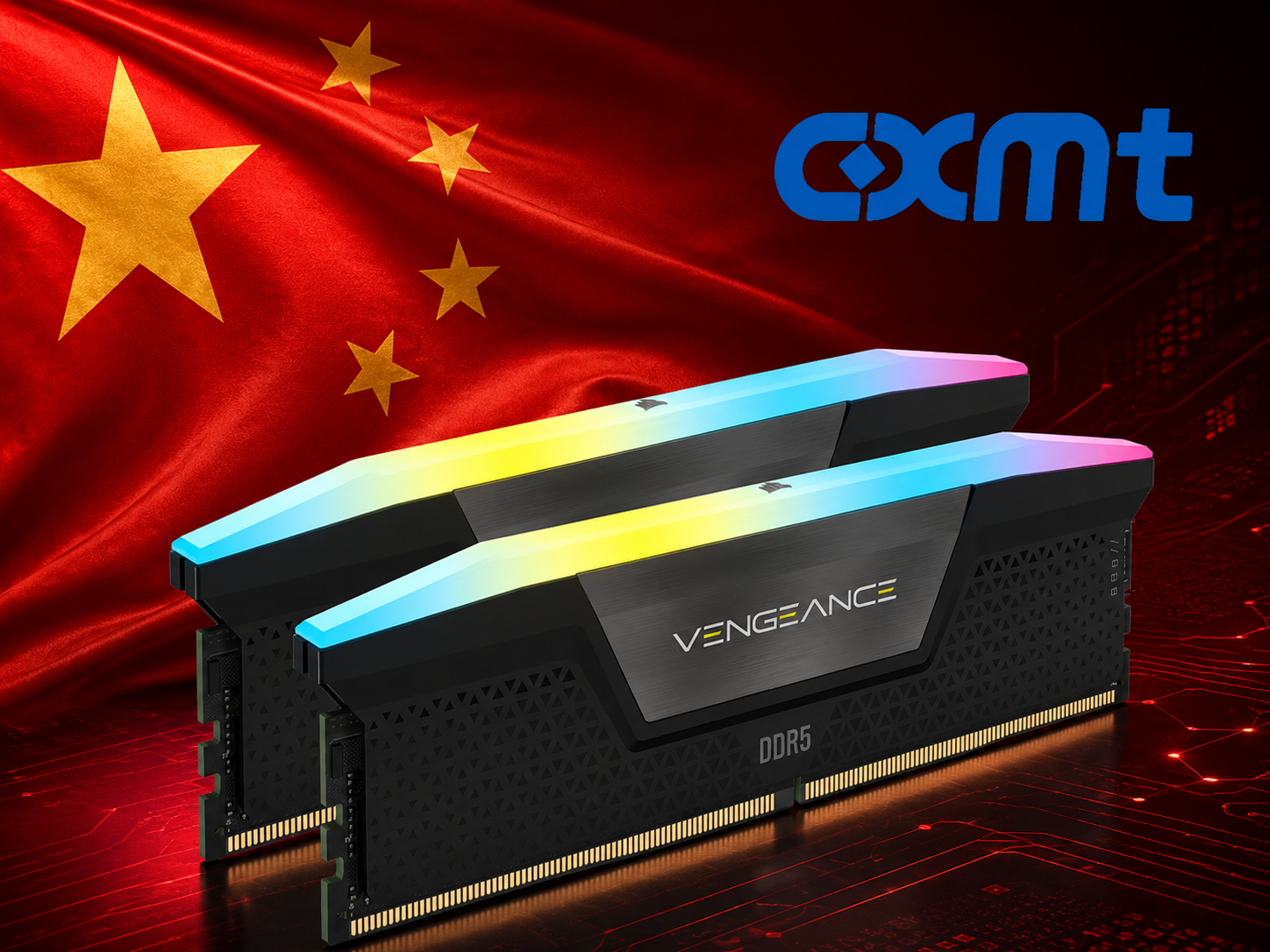
CXMT is no longer competing exclusively through lower cost products either. Recent market conditions have pushed some of its server memory above Samsung pricing, with CXMT 64 GB DDR5 server modules reportedly becoming more expensive than comparable Samsung products. Its chips have also begun appearing in global consumer memory products, including Corsair DDR5 modules using CXMT DRAM.
A 90% yield would be one of the most important milestones CXMT has achieved so far because production yield directly affects cost, available volume, and manufacturing efficiency. Reaching high DDR5 frequencies is impressive for enthusiasts, but consistently producing large quantities of usable silicon is what ultimately determines whether CXMT can become a serious global DRAM competitor.
CXMT still trails the major manufacturers in advanced process technology, HBM development, efficiency, and overall manufacturing maturity. Samsung, SK hynix, and Micron also have access to EUV lithography that CXMT cannot currently obtain. However, CXMT is demonstrating that DUV based manufacturing can remain competitive enough to rapidly improve conventional DDR5 production. With yields reportedly above 90%, commercial products reaching 8000 Mbps, and enthusiast demonstrations exceeding 8800 MT/s, the technology gap is becoming increasingly difficult to dismiss.
If CXMT can consistently deliver DDR5 with competitive performance and high production yields, would you consider Chinese DRAM for your next gaming PC?
