
ASML Reportedly Raises Lithography Spare Parts Prices 10% as AI Demand Tightens Supply
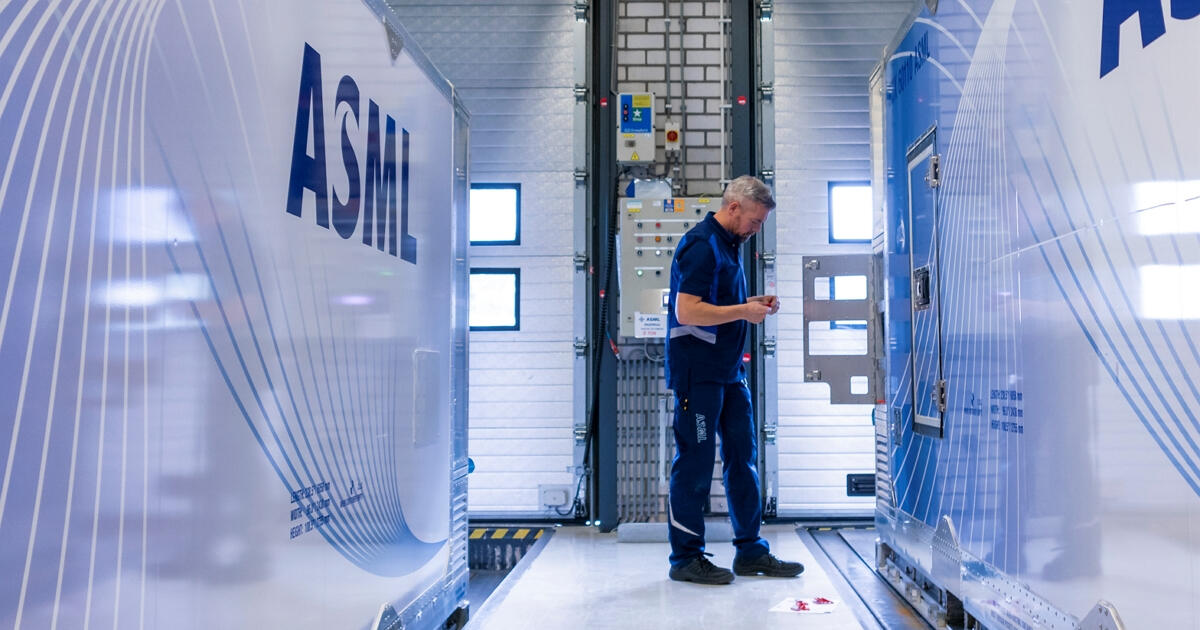
ASML is reportedly preparing a broad 10% price increase across replacement parts supplied to semiconductor manufacturers in South Korea, with Samsung Electronics and SK hynix said to have accepted the new pricing. The increase covers components used across both Extreme Ultraviolet and Deep Ultraviolet lithography systems and is expected to apply to deliveries beginning in January 2027.
According to The Elec, ASML headquarters informed Samsung and SK hynix of the proposal through its South Korean subsidiary in early September. Discussions with the purchasing organizations of both companies have since concluded, with the 10% increase reportedly finalized.
The change is unusually broad. ASML has historically adjusted individual component prices when raw material costs increased sharply or supply conditions changed, but the new reported structure applies across its replacement parts portfolio. This includes regularly replaced consumables as well as major components required when equipment suffers failures, degradation, or reaches scheduled maintenance intervals.
Lithography systems depend on a large collection of extremely specialized components, including optical assemblies, mirrors, lenses, light source equipment, precision motion systems, and control hardware. Increasing replacement part prices therefore raises the ongoing cost of maintaining some of the semiconductor industry's most critical manufacturing equipment.
The increase arrives as semiconductor manufacturers accelerate capacity expansion around AI infrastructure, high bandwidth memory, advanced logic, and conventional memory. Samsung and SK hynix are already at the center of South Korea's enormous semiconductor and AI expansion plans, creating additional demand for lithography, deposition, etching, inspection, packaging, and supporting production equipment.
ASML itself has repeatedly highlighted the effect of that demand. During its 2026 financial reporting, the company said AI infrastructure investment was pushing customers to accelerate capacity plans while semiconductor demand continued to exceed supply.
"Demand for chips is outpacing supply."
— Quote by: Christophe Fouquet, ASML President and CEO
ASML is responding by expanding production capacity. The company plans to increase its 2027 Low NA EUV capacity by around 30% from approximately 65 systems in 2026, while DUV immersion capacity is also planned to increase around 30% from approximately 130 systems. Additional expansion is under consideration for 2028 if customer demand continues.
The maintenance business surrounding ASML's installed equipment is already substantial. Official ASML 2025 financial results show Installed Base Management sales of €8.193 billion from total net sales of €32.667 billion. That means service and field option revenue represented approximately 25% of the company's total 2025 sales, increasing 26.2% from the previous year.
| ASML 2025 Financial Metric | Result |
|---|---|
| Total Net Sales | €32.667 billion |
| Installed Base Management Sales | €8.193 billion |
| Share of Total Sales | 25.1% |
| Annual Growth | 26.2% |
The reported price increase may not stop with replacement parts. ASML is also said to be discussing higher prices for newly ordered equipment with major customers. Separate reports earlier this year indicated that the company had proposed approximately 10% increases for some DUV systems supplied to customers in China, while pricing negotiations with other major semiconductor manufacturers have continued.
Other equipment suppliers are also adjusting pricing. Applied Materials has indicated higher prices across new and existing products, while Tokyo Electron has discussed price adjustments intended to offset increasing costs. The broader equipment market is facing many of the same supply constraints we previously covered as global semiconductor equipment backlogs stretched as far as 24 months.
This shift changes the balance between chip manufacturers and their suppliers. Large semiconductor companies historically used enormous purchasing volumes to negotiate equipment and component prices downward. The current AI investment cycle has created the opposite environment in several parts of the supply chain, with equipment demand growing faster than production capacity and suppliers gaining greater negotiating leverage.
The impact is particularly important for Samsung and SK hynix because advanced DRAM increasingly depends on EUV lithography. SK hynix has already integrated ASML High NA EUV equipment into its next generation DRAM development, while Samsung continues using conventional EUV extensively and is preparing High NA adoption for future manufacturing generations.
A 10% increase in replacement parts should not be interpreted as a corresponding 10% increase in semiconductor manufacturing costs or chip prices. Lithography maintenance represents only one part of an extremely complex production cost structure. However, simultaneous increases across equipment, spare parts, materials, packaging, testing, electricity, and construction can collectively raise the cost of expanding and operating advanced fabs.
The semiconductor shortage cycle is increasingly moving upstream.
Memory prices have risen, packaging and testing suppliers have pushed through increases, semiconductor equipment has developed longer lead times, and now ASML reportedly has enough negotiating leverage to implement a broad replacement parts increase across 2 of the world's largest memory manufacturers.
For Samsung and SK hynix, refusing the increase may be difficult. ASML equipment is essential to leading edge semiconductor production, particularly for advanced DRAM and HBM, and alternative suppliers cannot currently replace its EUV systems.
The more important question is whether ASML's move gives additional equipment and component suppliers the confidence to demand similar increases. If that happens while Samsung, SK hynix, TSMC, Micron, Intel, and other manufacturers are simultaneously expanding AI related capacity, semiconductor production costs could remain under upward pressure even as new fabs begin coming online.
Do you think rising equipment and maintenance costs will eventually translate into higher prices for memory and processors, or can semiconductor manufacturers absorb most of the increase?
