
SK hynix Verifies 12 Die Hybrid Bonded HBM Stack As HBM4 Packaging Race Accelerates, But Yield Remains Undisclosed
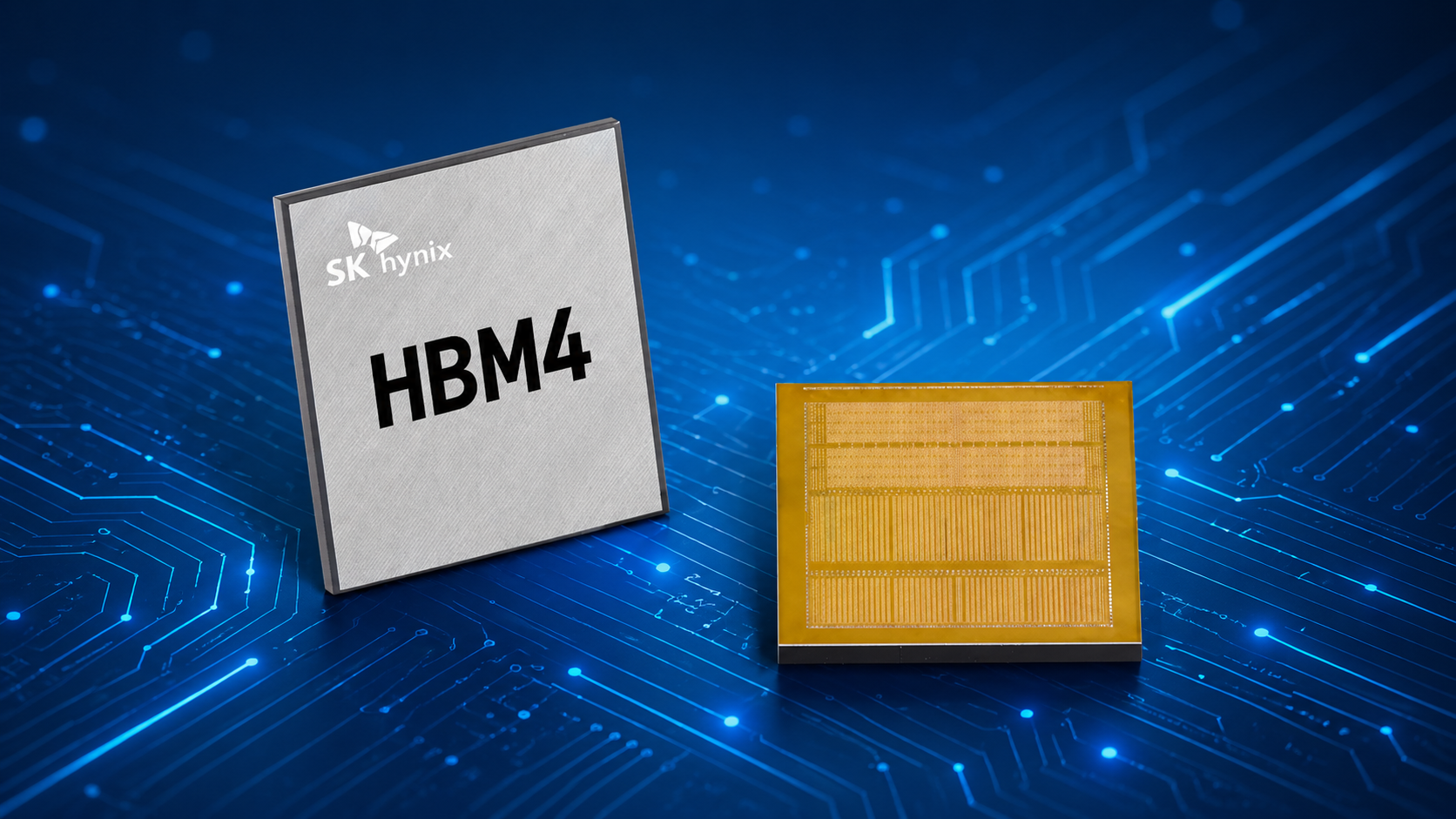
SK hynix has taken an important step in the next phase of the HBM race, confirming that it has completed verification of a 12 die HBM stack built with hybrid bonding. The update came from SK hynix technical leader Kim Jong hoon at The Elec conference in Seoul, where he said the company has finished validation of the 12 layer hybrid bonded structure and is now working to raise yield to a level suitable for mass production. He added that specific yield figures cannot be disclosed, but said preparations are much further along than in the past.
That makes this one of the clearest signs yet that hybrid bonding is moving closer to practical use in next generation HBM. The packaging method replaces conventional bump based interconnects with direct copper to copper pad contact, which can reduce stack height, improve data transmission characteristics, and lower heat generation compared with older approaches. The Elec’s report describes hybrid bonding as the most advanced evolution of HBM packaging so far, specifically because it can connect dies without the bump structures used in earlier methods.
The timing matters because HBM stacks are getting taller and more complex with every generation. The Elec reports that the industry broadly expects hybrid bonding to begin appearing from HBM4 onward, with gradual commercialization possible from late 2026 or 2027 as 16 high products enter the market. That aligns with the wider industry push to increase bandwidth and capacity without expanding package size too aggressively.
SK hynix is not switching immediately, however. Kim also said the company will continue relying on its MR MUF approach before hybrid bonding is fully ready for volume use. According to the report, SK hynix has already advanced MR MUF enough to meet height standards for 16 layer HBM3E, giving it a bridge technology while hybrid bonding yields continue to improve.
That is an important strategic detail. It shows SK hynix is trying to avoid a hard packaging transition before economics and production stability are in place. The Elec explicitly notes that while hybrid bonding has major technical advantages, economic issues still need to be solved at the current level of maturity. In other words, the company is confirming technical progress, but not yet claiming that the manufacturing problem has been fully cracked.
From a market perspective, this is still a meaningful milestone. HBM4 and later memory generations will need more advanced packaging as AI accelerators continue demanding more bandwidth, more stack density, and tighter thermal control. A verified 12 die hybrid bonded stack suggests SK hynix is moving beyond theory and into a much more serious pre production phase, even if it is still keeping yield data private. That last point is an inference based on the company’s reported validation status and its refusal to disclose actual mass production numbers.
The key takeaway is that SK hynix is signaling real progress without overpromising. The company now says the 12 die hybrid bonded HBM structure has been verified, mass production preparation is ongoing, and yields are better than they were 2 years ago. What it is not saying yet is when that process is fully ready at scale or what the current yield level actually looks like. That silence alone shows just how intense the HBM4 packaging race has become.
Do you think hybrid bonding will become the standard for HBM4 quickly, or will MR MUF style approaches stay in play longer than expected?
