
SK hynix Faces Wave of Customer Cash Offers as AI Memory Demand Leaves Available Capacity Near Zero
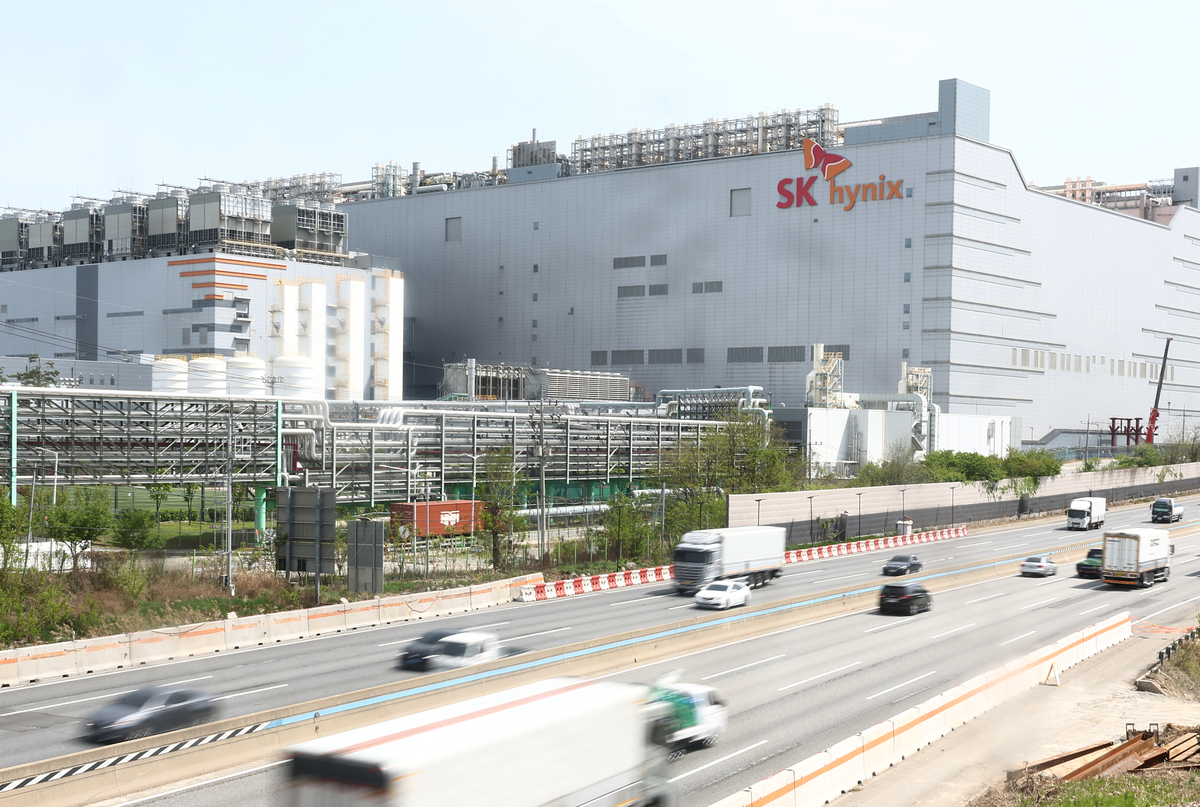
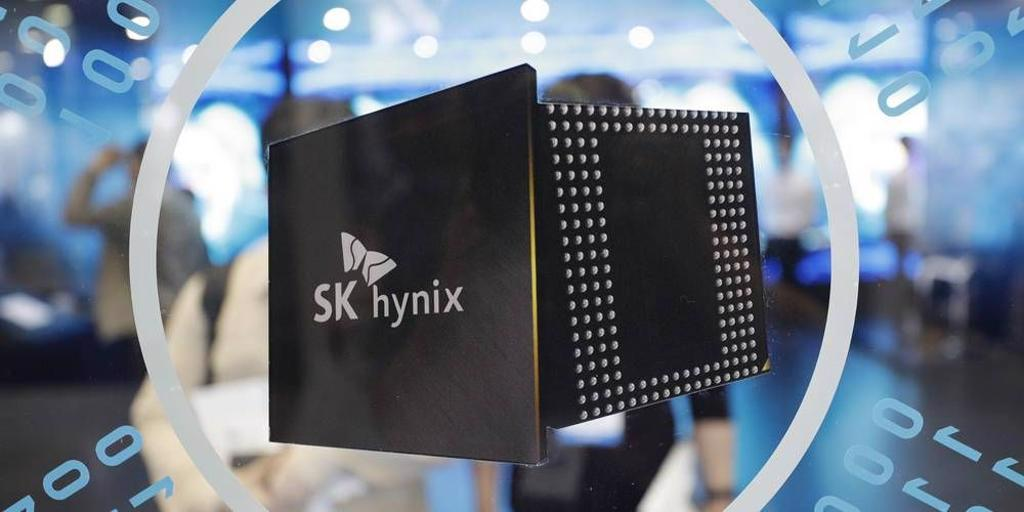
SK hynix is finding itself in one of the strongest supply positions in the memory industry, but that advantage is now coming with a major operational constraint. According to Reuters, the South Korean memory maker is being aggressively approached by major global technology firms with offers to help fund new production lines and even support purchases of expensive manufacturing tools as customers race to secure future memory supply. Reuters reported that these proposals are unprecedented for the global memory sector and reflect how severe the current shortage has become as AI infrastructure demand continues to surge.
The most important point in the report is that SK hynix is not rushing to accept those offers. While customer backed expansion could help accelerate production, Reuters says the company is being careful because such arrangements could tie capacity to specific buyers and potentially force lower pricing in exchange for long term supply guarantees. One source quoted by Reuters delivered the clearest message in the entire story, saying that regardless of the offer type, available capacity is essentially zero right now, and that there is not even a small portion that can be designated for a specific customer. That makes it clear the issue is no longer just pricing power, but a hard limit on how much memory can actually be produced in the near term.
This matters because the AI buildout is no longer only about GPUs. CPUs, accelerators, servers, and storage heavy platforms all require large volumes of DRAM and HBM, which means the memory side of the equation is becoming one of the most strategic bottlenecks in the entire data center market. Reuters also reported that major United States technology firms including Alphabet, Meta, and Microsoft are increasing AI infrastructure spending, while Microsoft said its capital spending this year is expected to rise to 190 billion dollars, including 25 billion dollars tied to rising component costs such as chips. In a separate Reuters report, Amazon also said memory costs have skyrocketed and that there is simply not enough capacity for the current level of demand.
Reuters further noted that one proposal was aimed at the first phase of a large fabrication plant SK hynix is building in its Yongin complex in South Korea, where DRAM is expected to be the dominant focus. That detail is important because it shows customers are not just trying to secure finished product through contracts, they are attempting to move upstream and help shape future supply at the manufacturing level. Even so, SK hynix told Reuters that it is reviewing different structural alternatives rather than simply following the old long term contract model, while also warning that current supply constraints are limiting its ability to accommodate all customer requests.
The broader market backdrop supports the idea that this upcycle may last longer than previous memory booms. Reuters reported that SK hynix and Samsung both said last month that the current memory shortage is likely to persist because building new capacity takes time and AI demand is creating structural growth rather than a short lived spike. Another Reuters report said SK hynix shares surged to a record high after major United States tech companies raised AI spending plans, with investors increasingly betting that this cycle will extend well beyond a traditional boom and bust pattern.
For the industry, the takeaway is straightforward. SK hynix is being offered capital, equipment support, and long term deal structures from customers desperate to lock in supply, but the company is in a position where preserving pricing flexibility and avoiding vendor concentration may be more valuable than taking outside money. In other words, demand is so strong that the real competitive edge right now is not simply having customers, but having enough wafer capacity to serve them. If current AI infrastructure expansion continues at this pace, memory tightness is likely to remain one of the defining pressure points of the semiconductor market through the next several years. That is especially true when even one of the world’s most important DRAM suppliers is effectively signaling that every available unit of output is already spoken for.
Do you think memory makers should accept customer funded capacity deals to accelerate expansion, or would that create too much strategic dependence in the AI race?
