
Samsung Memory Workers Reject 10% Bonus Offer as Strike Risk Builds Around a High Stakes AI Chip Battle
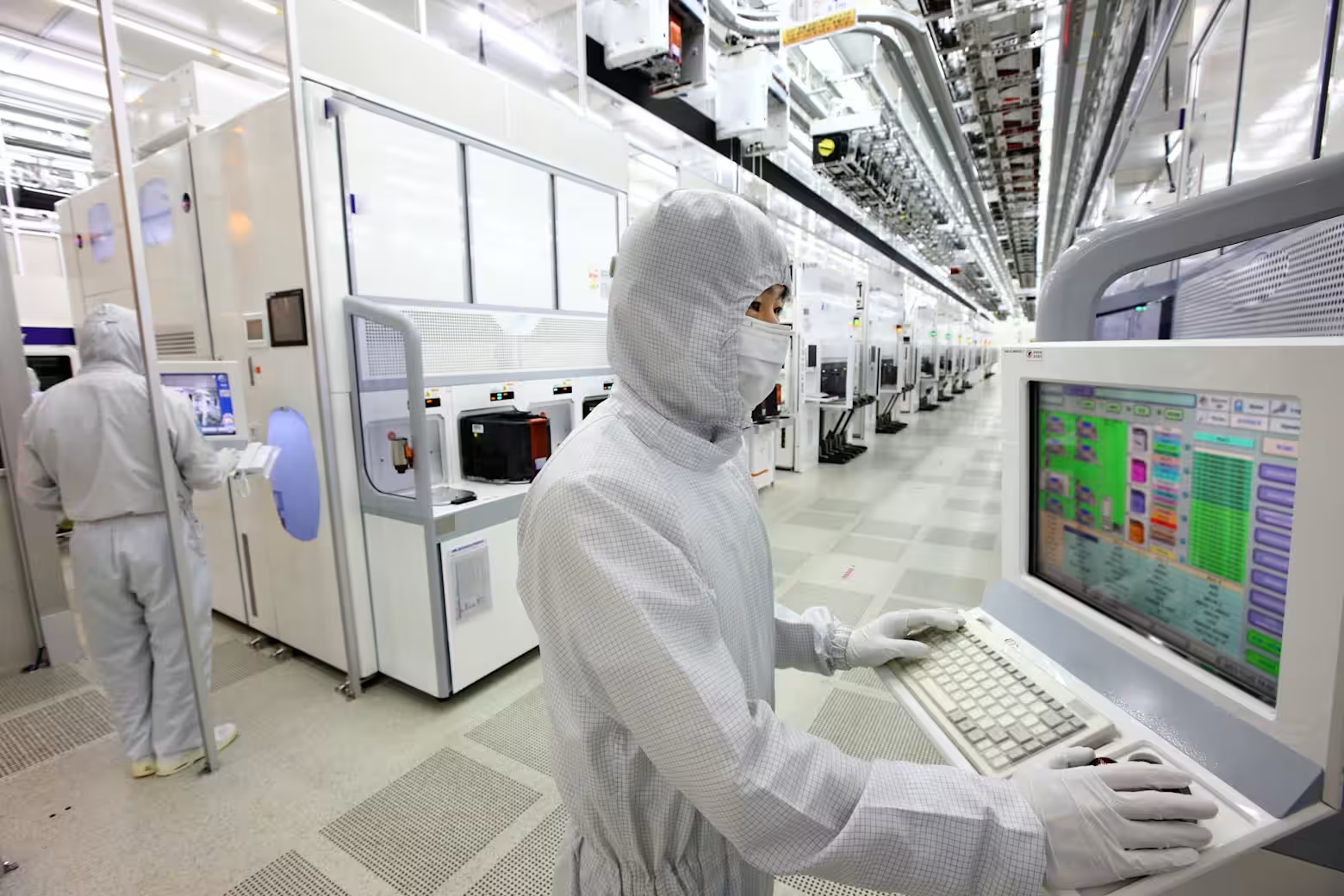
Samsung Electronics is facing a deeper labor flashpoint inside its semiconductor business after workers in the memory division pushed back against management’s latest compensation proposal, arguing that a 10% bonus offer is not enough and framing the move as an attempt to divide employees ahead of a planned general strike. Recent reporting indicates Samsung has moved closer to labor demands by offering to codify the bonus framework for 3 years before institutionalizing it, but that concession has not been enough to calm tensions as the union continues to press for a 15% share of operating profit, broader wage improvements, and the removal of payout caps.
The dispute matters well beyond internal payroll politics. Samsung’s chip business is operating in one of the most strategically important windows the memory industry has seen in years, as AI demand continues to accelerate pricing power across advanced memory segments. Workers argue that if Samsung remains one of the leading forces in semiconductors, compensation should better reflect the profitability now flowing through the division. The comparison with SK hynix has become a central pressure point in the negotiations, with Samsung labor groups using rival payouts as a benchmark in their push for a more formal and predictable profit sharing structure.
According to reporting from The Herald referenced in broader coverage, Samsung management has agreed not only to a 10% bonus concept but also to codify the framework, a step unions had previously pushed for after earlier discussions reportedly approached 13% without securing a lasting mechanism. Even so, labor organizers are urging members not to back down, describing the current offer as a divisive tactic rather than a true structural solution. Reuters also reported that the union is entering mediation on May 11 and May 12, but has kept the threat of an 18 day strike starting on May 21 on the table if talks fail to produce a satisfactory result.
That timeline is what makes this story especially serious for the wider semiconductor market. A prolonged walkout at Samsung would not land at a random moment in the cycle. It would hit during a period when the company is under pressure to defend competitiveness in memory, protect customer confidence, and avoid fresh disruption across global supply chains tied to AI infrastructure. Reuters reported that Samsung’s board chairman recently warned unionized workers that an extended dispute could damage the company and the broader Korean economy, underscoring just how sensitive the issue has become at the corporate and national level.
The financial overhang is also growing. The Financial Times reported that estimates for a full duration strike suggest direct costs could land between 6.9 billion dollars and 11.7 billion dollars. That range has become one of the most closely watched figures in the story because it turns a labor negotiation into a major business risk event. At the same time, brokerages have already cut share price targets for Samsung amid concerns over what a richer bonus structure could mean for operating profit, adding another layer of pressure to management as it tries to contain both employee dissatisfaction and investor anxiety.
From an industry perspective, this is a critical test of how chip giants balance labor, capital expenditure, and AI era profitability. Samsung is trying to preserve strategic flexibility while workers are pushing for a model that locks in a larger recurring share of the upside. That clash is bigger than a single bonus cycle. It speaks to the new economics of the memory market, where every gain tied to AI demand is now being scrutinized not only by investors and customers, but also by the engineers and manufacturing teams expected to keep that growth engine running.
What do you think, should Samsung move closer to worker demands to protect long term stability, or would that create the wrong precedent for a capital heavy chip business?
