
Gigabyte Launches AORUS RTX 5090 Infinity With Hidden Third Fan, 2730 MHz Factory Boost, and a Compact Premium Design
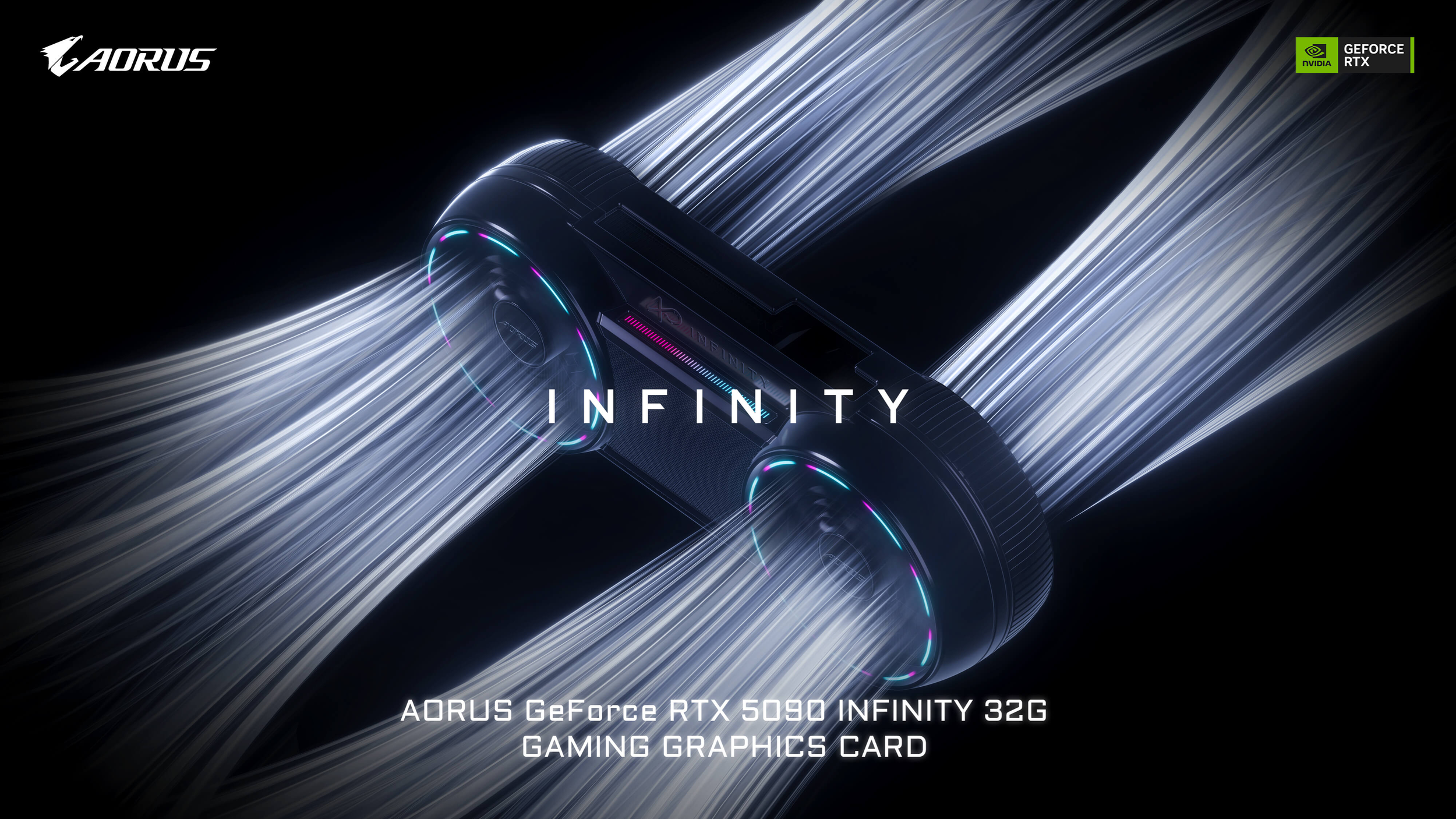
Gigabyte has officially launched the AORUS GeForce RTX 5090 Infinity 32G, a new flagship custom card that tries to stand out in one of the most crowded and expensive GPU segments on the market. According to Gigabyte’s announcement, the card is now available and arrives with the company’s new WINDFORCE Hyperburst cooling system, a Double Flow Through design, and a hidden central Overdrive fan that gives the card triple fan cooling behavior while preserving a dual fan visual identity. The company is also heavily positioning it as a premium design product, noting that the card has already received a 2026 Red Dot Design Award.
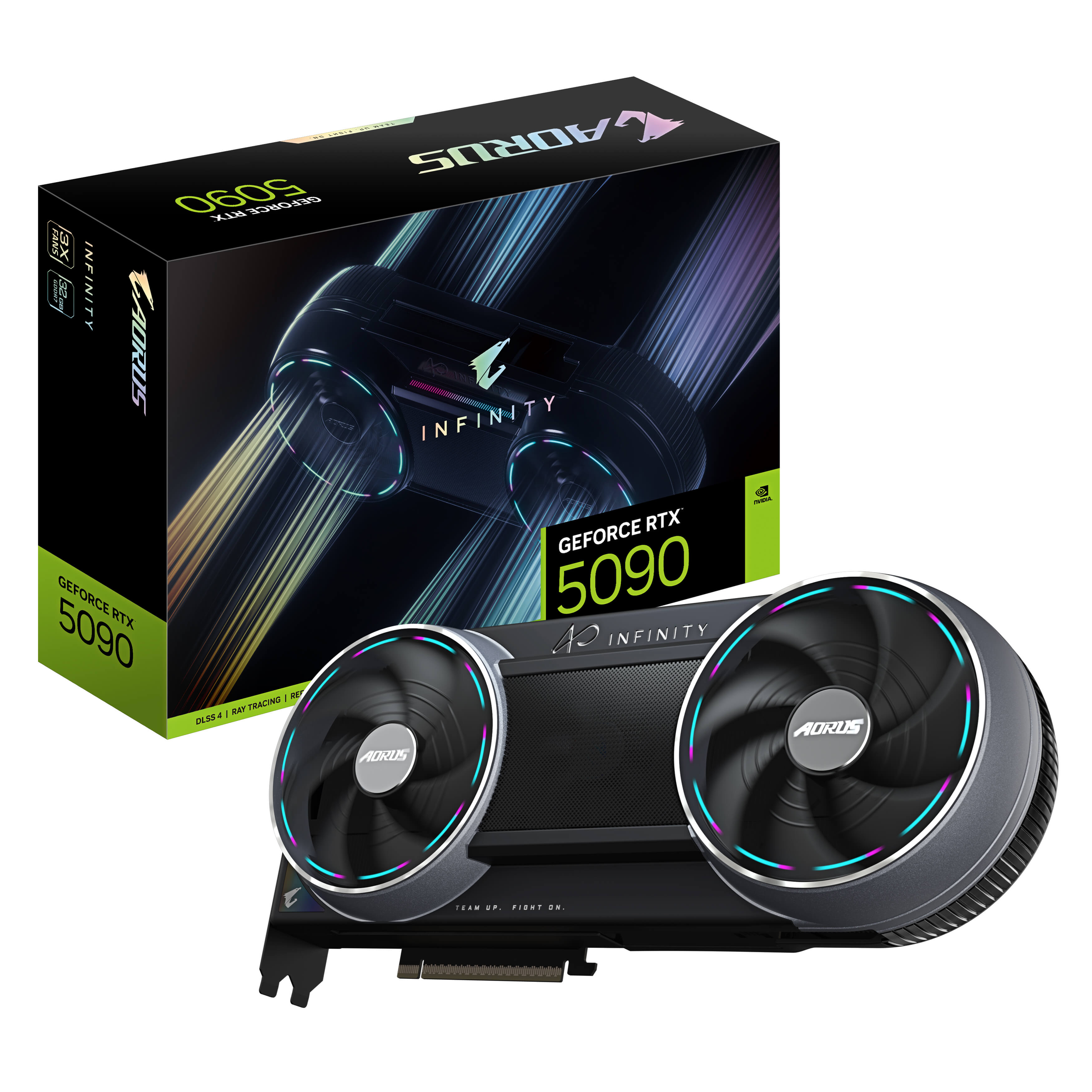
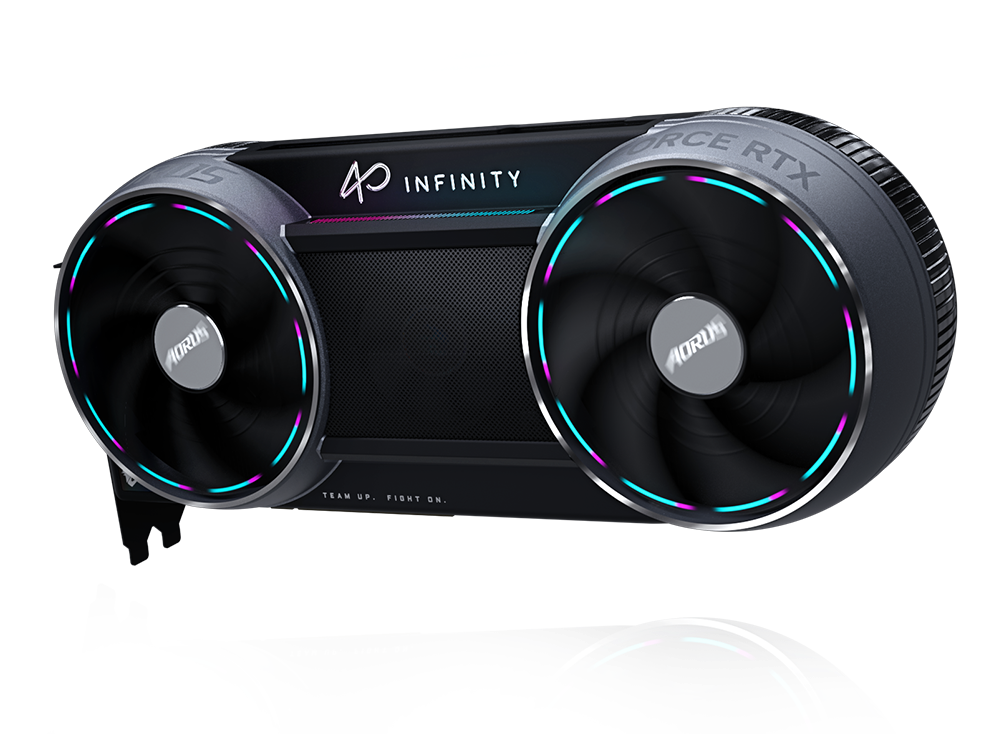
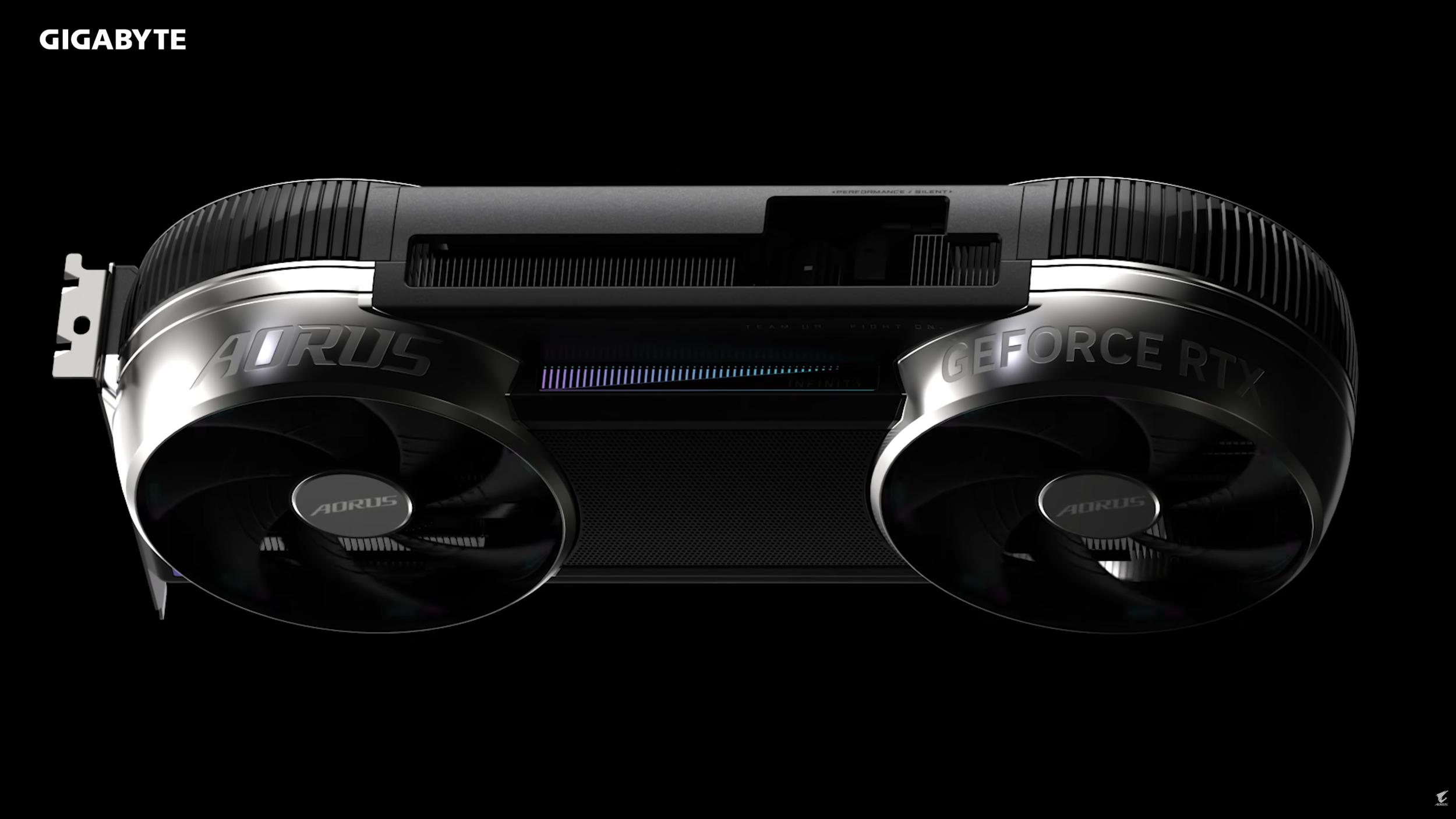
What makes the Infinity especially interesting is how Gigabyte has approached the cooler. On first glance, the shroud looks like a dual fan design, but Gigabyte says the card actually uses a concealed third fan placed in the middle section of the board. That fan runs on a dedicated curve and only activates under heavier GPU loads, which is meant to preserve lower noise and cleaner aesthetics during lighter operation while still unlocking stronger airflow when the RTX 5090 is pushed hard. Gigabyte says this hidden fan allows the Infinity to retain triple fan level cooling behavior without sacrificing the tighter visual profile of the card.
The broader cooling system is built around Gigabyte’s new WINDFORCE Hyperburst platform. Official materials say the cooler combines patented Hawk fans, the central Overdrive fan, a direct touch vapor chamber, superconducting heat pipes, and composite metal grease on the GPU. Gigabyte also says the design improves airflow significantly, claiming up to 58% more airflow than a traditional backplate design and up to 28% more than a single hollow out design. For the rest of the board, the company says the VRAM and MOSFET areas use server grade thermal conductive gel to improve contact and long term stability.
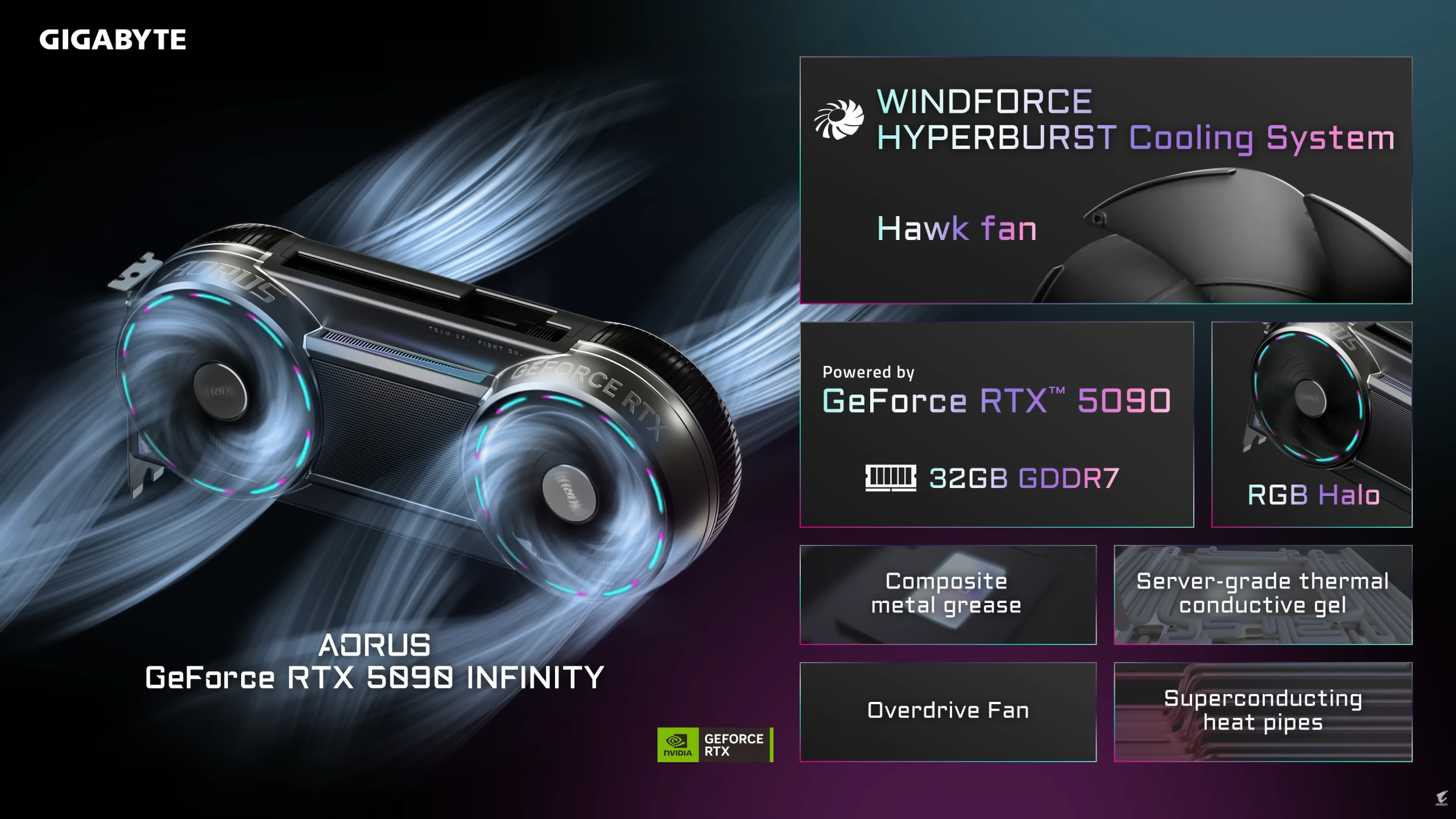
Performance wise, the card ships with a very aggressive out of box clock. Gigabyte lists the core clock at 2730 MHz, compared with the 2407 MHz reference boost, which works out to a 323 MHz factory overclock. That is one of the most eye catching parts of the launch, because it suggests the Infinity is not just a design showcase. Gigabyte is clearly aiming to position it as a real enthusiast grade RTX 5090 with substantial factory tuning already applied. The card also carries the expected 32 GB of GDDR7 memory on a 512 bit memory interface, as listed on the official product page.
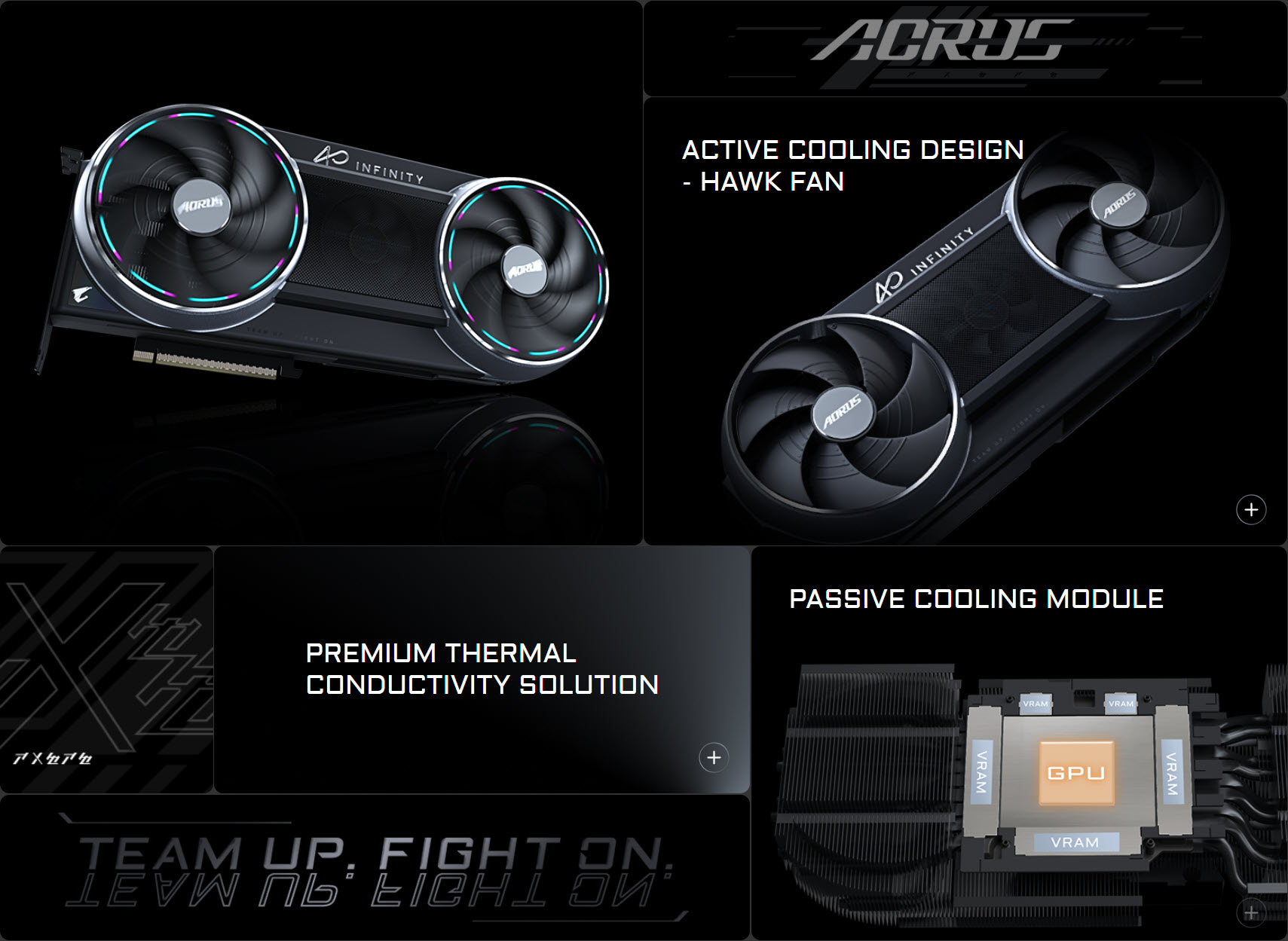
The rest of the package is equally premium focused. Gigabyte says the Infinity uses a die casting metal shroud and die casting metal backplate, while also continuing its RGB Halo lighting implementation. The visual design leans hard into a silver and black aerospace inspired look, with Gigabyte saying the shrouds were designed around the aesthetics of twin jet engines. Whether that styling lands for every buyer is subjective, but it definitely gives the card a very different identity from the more conventional oversized triple fan designs we usually see at this tier.
-
Powered by NVIDIA Blackwell architecture and DLSS 4
GeForce RTX 5090 GPU
32 GB GDDR7 memory with 512 bit interface
WINDFORCE Hyperburst cooling system
Double Flow Through design
Hidden central Overdrive fan
Composite metal grease for the GPU
Superconducting heat pipes
RGB Halo lighting
Die casting metal shroud and backplate
4 year warranty with online registration required
One detail that stands out in the official announcement is how Gigabyte is trying to redefine what a compact flagship can look like. The company repeatedly frames the Infinity as a high end card that preserves a more refined and compact presentation while still sustaining peak performance under extreme workloads. That is a smart angle because the RTX 5090 class has quickly become associated with huge cooling assemblies, oversized board dimensions, and heavy power requirements. Gigabyte is essentially betting that some buyers want the same top tier GPU class performance, but in a package that feels more boutique and more carefully sculpted.
The one big unanswered question right now is price. Gigabyte has confirmed availability, but it has not publicly listed official pricing in the launch announcement or on the current product page. In a market where RTX 5090 cards are already positioned deep into ultra premium territory, that missing piece will ultimately determine how competitive the Infinity really is. For now, what Gigabyte has delivered is one of the more visually distinctive and technically ambitious custom RTX 5090 designs we have seen so far this year.
What do you think about Gigabyte’s approach here, does the hidden triple fan design make the AORUS RTX 5090 Infinity one of the most interesting custom Blackwell cards so far?
