
Intel’s Real Comeback Test Starts Now as Lip Bu Tan Shifts From Momentum to Execution
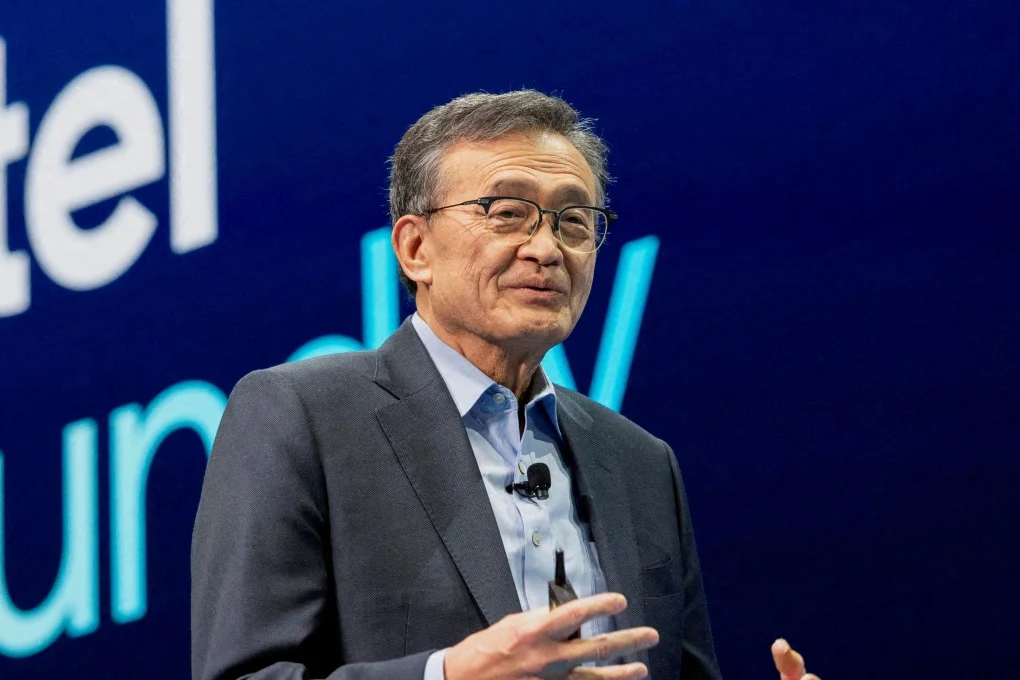
Intel’s resurgence under CEO Lip Bu Tan has become one of the biggest semiconductor stories of 2026, but the company’s most important opportunity still lies ahead. Recent political support, stronger market sentiment, and high profile customer interest have helped pull Intel back into the center of the tech conversation, yet the harder phase begins now: converting optimism into sustained foundry wins, internal product execution, and long term commercial proof. As framed in a recent Bloomberg report, Tan has done the relationship building. The next step is delivering the breakthrough.
That distinction matters because Intel’s turnaround did not begin from a position of strength. A year ago, the company was still facing serious skepticism around its manufacturing roadmap, AI positioning, and foundry viability. What changed was not a single miracle quarter, but a combination of factors. Pat Gelsinger’s earlier foundry push and roadmap reset created the base, while Tan has focused on restoring confidence around execution and customer relevance. Intel’s stock then surged after stronger than expected AI driven CPU demand and an upbeat forecast pushed shares toward record levels in late April.
Political support has clearly become part of the story. President Trump has publicly praised Intel and the strategic value of domestic semiconductor manufacturing in a recent Trump post, and Intel itself announced in August 2025 that the U.S. government would make an $8.9 billion investment in Intel common stock as part of a broader push to expand American chip manufacturing capacity. That government backing has become one of the pillars behind Intel’s recovery narrative, but it is not the same thing as a complete turnaround. Government alignment can open doors. It cannot replace commercial execution.
President Trump posts on TruthSocial:
— Donald J Trump Posts TruthSocial (@TruthTrumpPost) April 29, 2026
Intel Stock continues to rise. I’m very proud of that Company in that I am responsible for making the United States of America over 30 Billion Dollars in the last 90 days on that stock alone.
There are others that, likewise, I have been… pic.twitter.com/UHeuiBHlmT
Manufacturing is where Intel’s real leverage now sits. Intel has already said that Arizona’s Fab 52 is fully operational and set for high volume production on Intel 18A, with Panther Lake positioned as the first client AI PC platform built on that node. That is strategically important because Intel needs 18A to prove that it can still lead on process technology in a way that matters commercially, not just symbolically. The next phases, particularly 18A P and 14A, are even more important because they are tied directly to the future of Intel Foundry and its ability to attract outside customers.
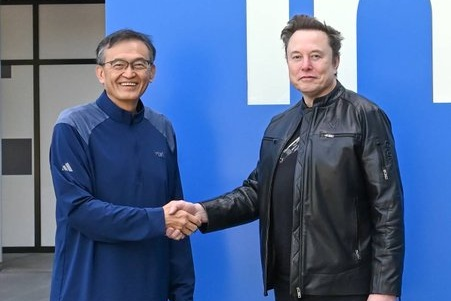
This is where Elon Musk becomes relevant, but also where the story needs discipline. Reuters has reported that Tesla plans to use Intel’s 14A process for the Terafab project, giving Intel a major external validation point. That is a real step forward. But many of the other names frequently attached to Intel’s foundry momentum, including Apple, Google, NVIDIA, and MediaTek, still sit at different stages of interest, negotiation, or speculation rather than broad public confirmation. Apple, for example, is only reported to have reached a preliminary chip making agreement with Intel. That is meaningful, but it is not yet the same thing as a mature long term foundry pipeline fully visible to the market.
That is why Tan’s biggest opportunity is not simply winning over Trump or Musk. It is proving that Intel can repeatedly turn interest into booked business and roadmap credibility into delivered silicon. There is a major difference between being a promising comeback story and becoming a dependable manufacturing partner for the world’s largest technology companies. Intel is closer than it was a year ago, but that distance has not been fully closed.
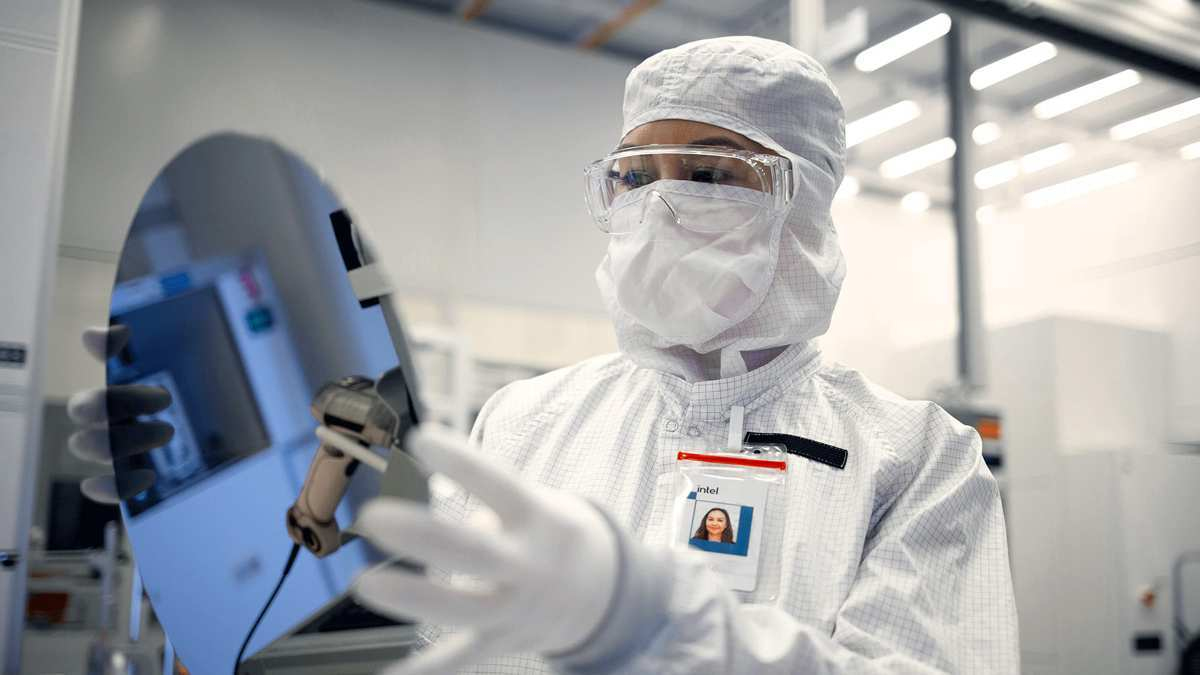
On the internal side, Intel also has work to finish. Reuters reported in April that AI driven demand for Intel server CPUs was strong enough that the company sold chips it had originally written off, and supply constraints around server parts remain a live issue. That shows Intel has regained relevance in a part of the market many assumed it was losing too quickly. On the client side, Panther Lake is central to restoring confidence in Intel’s PC roadmap, especially as the company prepares broader Core Ultra Series 3 volume ramps and the next wave of client products. If Intel can keep executing in both data center and client, it has a real chance to transform today’s momentum into a more durable recovery.
So yes, Intel’s comeback is real enough to take seriously. Political support helped. Musk’s interest helped. Market optimism helped. But none of those factors are the final answer. The company now has to prove that its fabs can win consistent external demand, that its roadmap can stay on schedule, and that its AI and client businesses can keep converting attention into revenue. That is the phase where comebacks either become durable or start to unravel.
Lip Bu Tan has already changed the conversation around Intel. The bigger challenge is making sure the next year changes the company itself just as convincingly.
What do you think? Is Intel’s hardest work still ahead, or has Lip Bu Tan already done enough to prove the turnaround is real?
