
Samsung Reportedly Starts V10 NAND Supply for NVIDIA CMX
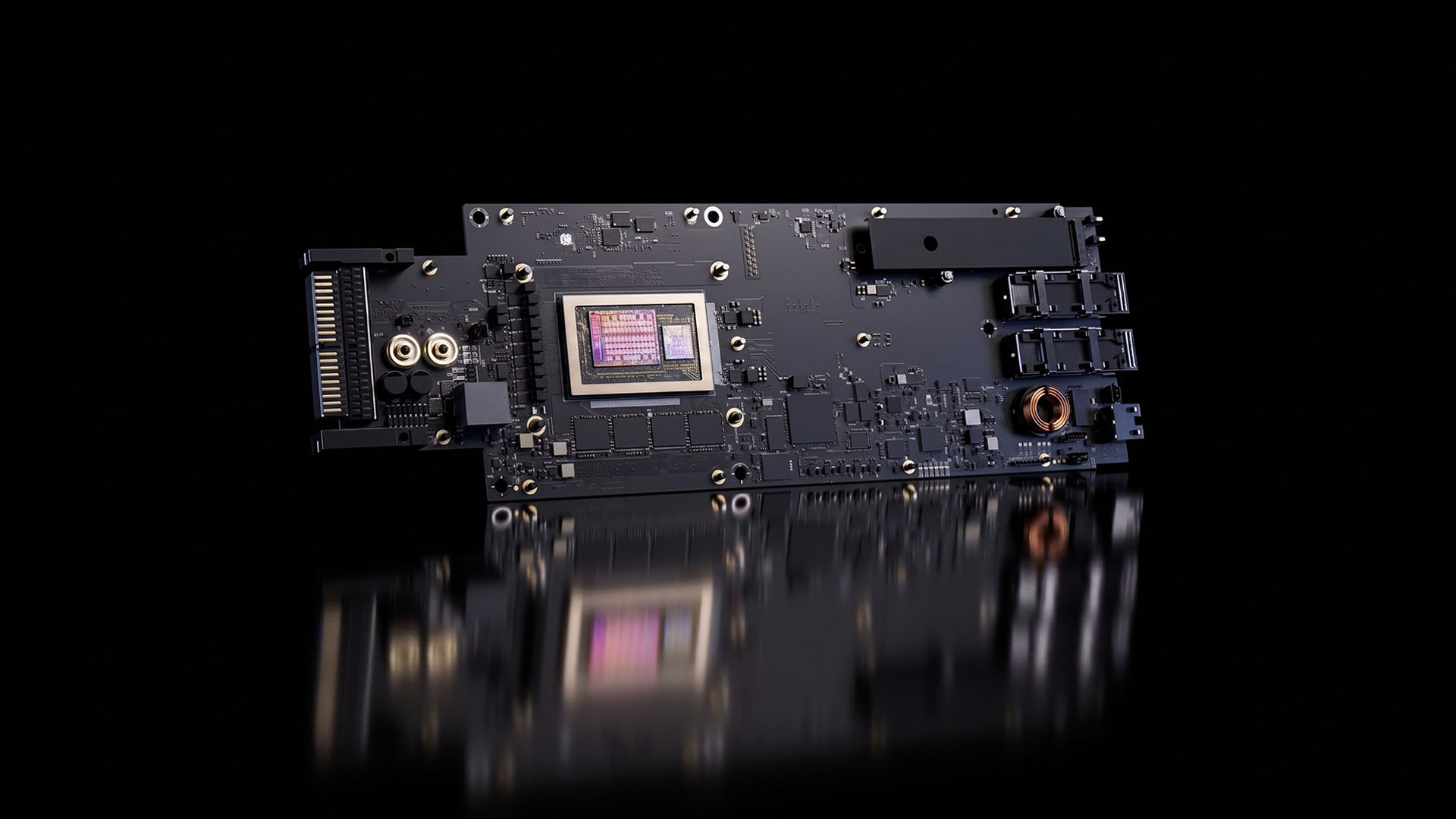
Samsung Electronics is reportedly expanding its NAND partnership with NVIDIA as artificial intelligence inference workloads create demand for a new category of high capacity context storage. The Korean memory manufacturer has increased production of its V9 V NAND while beginning limited V10 output for NVIDIA’s Context Memory Storage platform, commonly known as CMX.
According to Seoul Economic Daily, Samsung currently maintains monthly V NAND production capacity exceeding 100,000 wafers. Approximately 60% of its V NAND capacity has reportedly shifted toward the V9 generation, replacing older V8 production as NVIDIA and other major technology companies increase orders for artificial intelligence server storage. This does not mean 60% of Samsung’s entire NAND output is reserved exclusively for NVIDIA, but it demonstrates how rapidly production priorities are moving toward advanced enterprise products.
The demand is connected to the rapid growth of Key Value cache data during artificial intelligence inference. As context windows become longer and agentic systems maintain information across more users, tools, and sessions, KV cache can exhaust available GPU high bandwidth memory and system memory. Moving active context into conventional enterprise storage adds latency, increases power consumption, and can leave expensive accelerators waiting for data.
NVIDIA CMX addresses this problem by adding a dedicated flash based context tier between GPU memory and traditional shared storage. Powered by BlueField 4 and connected through Spectrum X Ethernet, CMX allows KV cache to be stored, shared, and returned to GPU or host memory before the decoding stage requires it. NVIDIA claims the architecture can provide up to 5 times higher sustained token throughput and up to 5 times greater power efficiency than general purpose storage approaches.
The Korean report describes a CMX configuration containing 576 solid state drives with a combined capacity of 9,600 TB. Industry estimates cited by the publication expect NAND demand connected to CMX to rise from approximately 35 million TB during 2026 to more than 100 million TB in 2027. Samsung’s total NAND production during 2026 is projected by the report to reach around 250 million TB, giving the company enough scale to pursue a leading position within the emerging context storage market. These figures remain industry estimates and have not been detailed publicly by NVIDIA.
Samsung has reportedly stabilized V9 manufacturing with yields exceeding 80% and may expand production through available cleanroom space at its Pyeongtaek P4 facility. Samsung officially began producing its 1 Tb V9 TLC V NAND in 2024, delivering approximately 50% higher bit density than the previous generation. The company has since placed V9 NAND inside products such as the PM1763, its PCIe 6.0 enterprise solid state drive designed for artificial intelligence and high performance computing servers.
NVIDIA CMX could absorb a substantial portion of global NAND production, potentially introducing another supply bottleneck as agentic artificial intelligence infrastructure expands. Samsung has also begun mass production of the PM1763 PCIe 6.0 enterprise solid state drive, strengthening its position across NAND, controllers, enterprise drives, and complete artificial intelligence storage platforms.
Samsung reportedly started meaningful V10 production during the first half of 2026, although it still represents less than 5% of the company’s V NAND output. The new generation is described as a 400 layer class design with more than 50% higher storage density than the 286 layer V9 generation. Greater density would allow CMX suppliers to increase capacity without proportionally expanding the physical number of drives, racks, or storage enclosures.
Development is already moving toward V11, with Samsung reportedly conducting trial production of designs containing between 400 and 500 layers. The company plans to increase pilot output during the second half of 2026 to collect yield data and accelerate manufacturing readiness. Samsung is also expanding its use of molybdenum wiring, which can be made thinner than conventional tungsten and may become increasingly important as vertical NAND structures grow more complex.
The acceleration of CMX could place additional pressure on the wider storage market, but consumer shortages are not guaranteed solely because Samsung is supplying NVIDIA. The eventual effect on mainstream solid state drive pricing will depend on CMX deployment volumes, competing NAND suppliers, fab expansion, enterprise contract structures, and how much production Samsung allocates between artificial intelligence infrastructure and consumer products. However, AI demand is already tightening NAND availability, making another large source of enterprise demand increasingly important for PC builders, gaming systems, and device manufacturers.
CMX changes the artificial intelligence storage conversation because NAND is no longer being used only for model files, training data, or long term storage. It is becoming part of the active inference memory hierarchy, directly supporting GPU utilization and token generation.
That creates an enormous opportunity for Samsung. The company can supply the NAND dies, enterprise drives, advanced controllers, and future higher density generations required by large CMX deployments. V10 and V11 could also improve capacity and efficiency across consumer products over time, but artificial intelligence customers will likely receive priority while supply remains constrained.
The biggest risk for consumers is not that Samsung will completely abandon mainstream solid state drives. It is that the most advanced capacity, investment, and manufacturing resources will increasingly follow higher margin artificial intelligence contracts. The same infrastructure boom that transformed HBM and DRAM pricing may now be establishing a similar cycle across NAND and enterprise storage.
Will NVIDIA CMX accelerate the development of larger and cheaper solid state drives, or will artificial intelligence demand keep the best NAND capacity away from consumers?
