
Samsung Reportedly Secures Tesla AI5 Production on 2nm at Taylor Fab
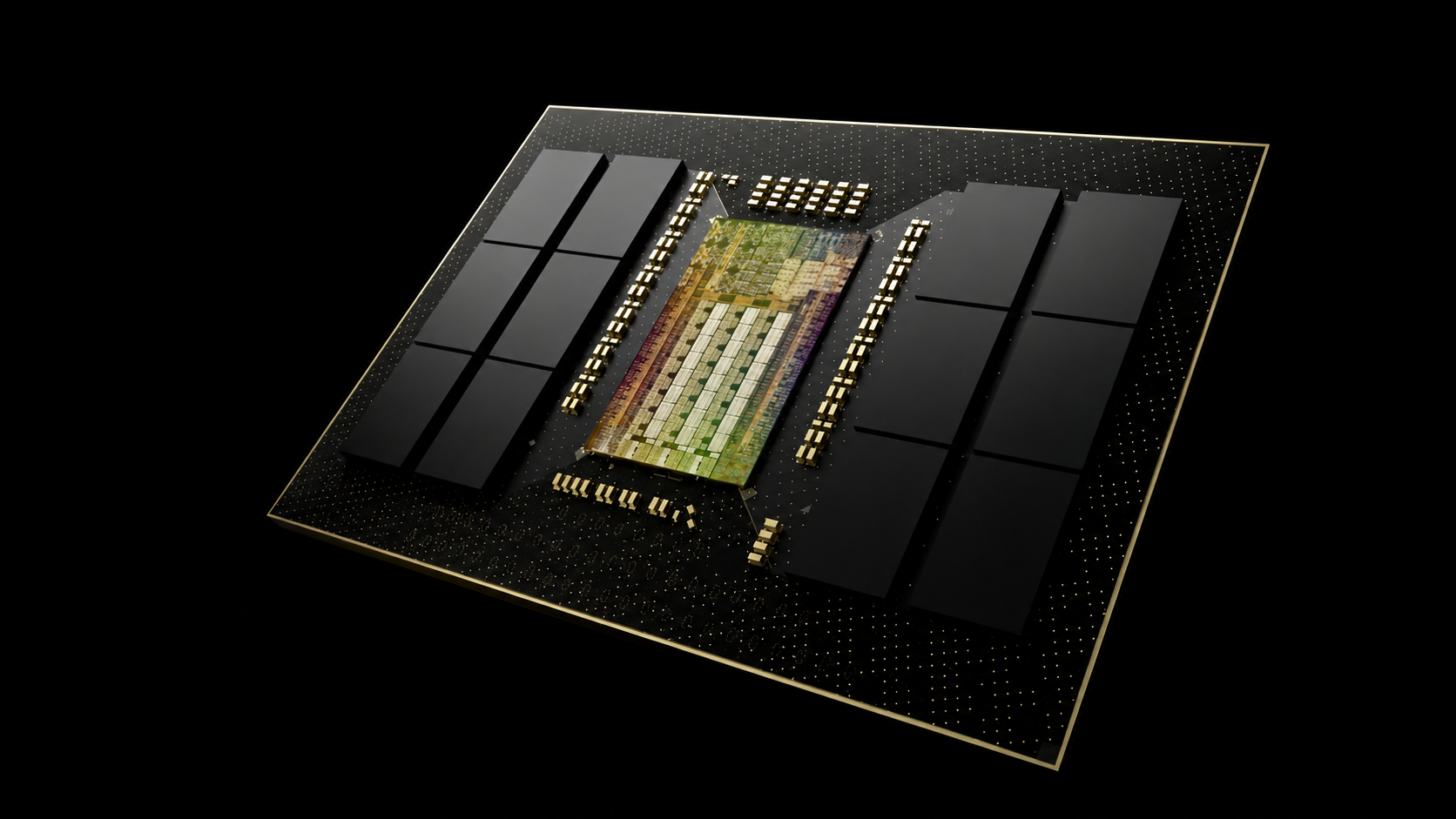
Samsung Foundry has reportedly completed the tape out of its version of Tesla’s AI5 processor, with production planned for the company’s Taylor facility in Texas using its advanced 2nm process. The development gives Samsung an important customer milestone for the delayed factory, although it does not yet confirm that the company has resolved every concern surrounding manufacturing yield and high volume production.
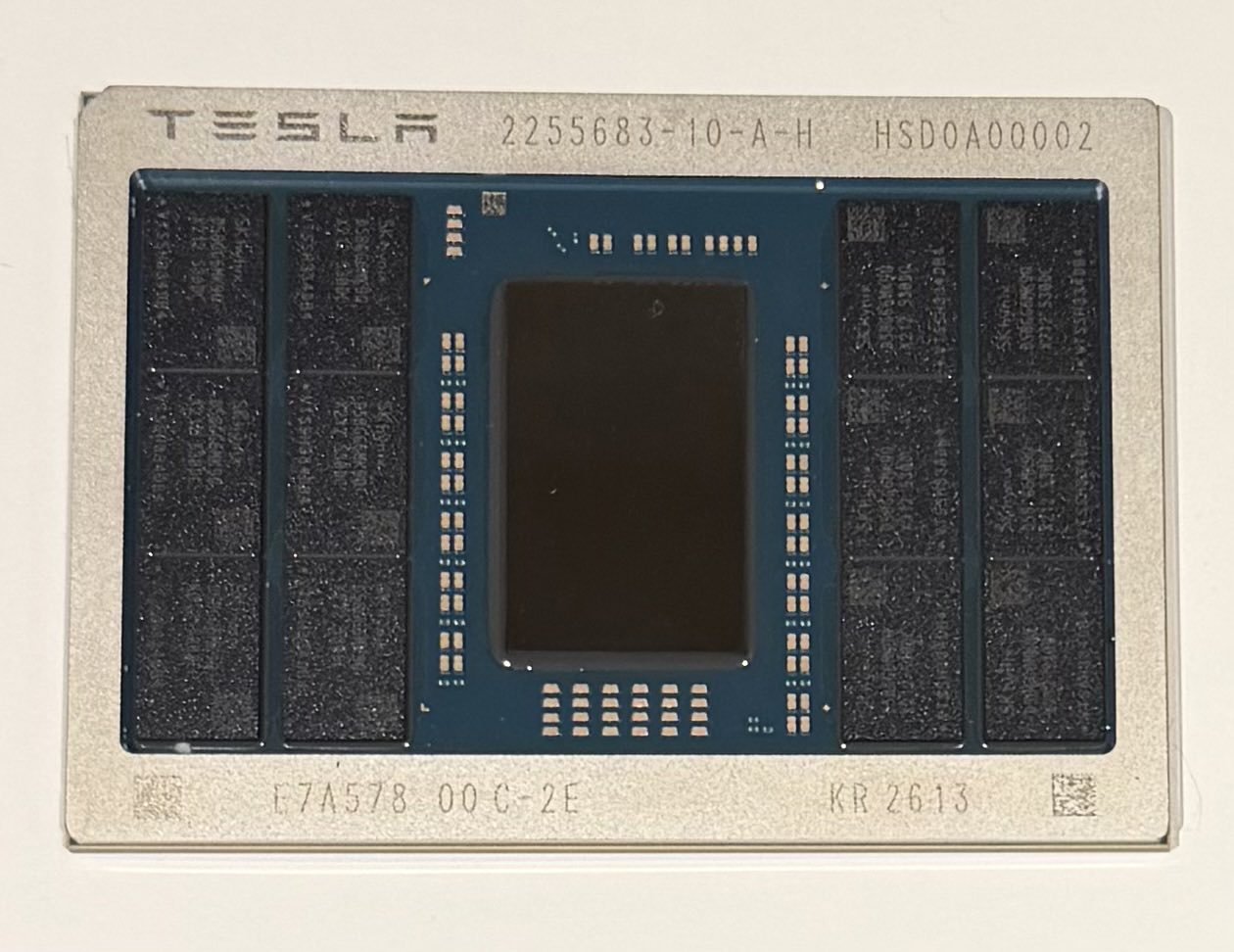
Elon Musk previously announced that Tesla had completed the AI5 design and shared photographs of an assembled processor package. The hardware features a large central compute die surrounded by 12 memory packages carrying SK hynix branding. Markings visible on the package suggest it was assembled during the 13th production week of 2026, between March 23 and March 29. The exact memory technology and capacity have not been officially disclosed, despite estimates circulating online.
New reports from Yonhap News, The Guru, and TrendForce indicate that Samsung’s physical version of AI5 has now reached the tape out stage. A Samsung Foundry engineer reportedly disclosed the milestone through LinkedIn, although the company has not issued a formal public announcement confirming the production schedule.
“The Tesla Samsung AI5 chip has entered the tape out stage and is scheduled to be produced at the Taylor plant using a 2nm process.
— Kim Jeong gon, Samsung Foundry Senior Engineer
The reported plan would make AI5 one of the first major advanced processors assigned to Samsung’s Taylor factory. Samsung began installing critical manufacturing equipment at the facility in April and deployed engineers from South Korea to support process qualification and initial yield improvement. Tesla is expected to divide AI5 manufacturing between Samsung and TSMC, providing additional capacity while reducing dependence on a single foundry. The manufacturing process selected for the TSMC version has not been publicly confirmed.
The agreement is strategically important for Samsung because its 2nm technology has faced persistent market questions regarding yield, production readiness, and competitiveness against TSMC. However, completing tape out does not prove that commercial yields have reached the level required for economical mass production. Previous industry reports placed Samsung’s 2nm yield in the middle 50% range, below the approximate 60% level commonly associated with stable volume manufacturing. These figures remain unofficial estimates rather than verified Samsung disclosures.
AI5 is Tesla’s next generation custom inference processor for autonomy, Optimus robotics, and internal artificial intelligence infrastructure. Tesla’s official Q4 2025 report targets a 50x total performance improvement over AI4, supported by 10x more raw compute, 9x greater memory capacity, and a 5x improvement from dedicated quantization and softmax hardware. Tesla currently plans AI5 production for 2027, while AI6 is scheduled to follow in 2028.
Claims that AI5 will provide approximately 2,500 TOPS and 144 GB of memory have not been confirmed by Tesla. The photographs establish that the package contains 12 SK hynix memory components, but their individual capacity, interface, and final bandwidth remain unknown. Earlier analysis suggested that the design could use a wide memory interface capable of delivering substantial bandwidth without relying on more expensive HBM packaging.
Development is also continuing on Tesla AI6 and Dojo 3. Musk has described AI5 as a critical foundation for Tesla’s wider artificial intelligence strategy, while AI6 and Dojo 3 could move toward a more unified architecture across vehicles, robots, and server systems. Samsung is separately expected to manufacture AI6 at Taylor under its major semiconductor supply agreement with Tesla.
Tesla is also developing its longer term TeraFab semiconductor strategy, which aims to bring logic manufacturing, memory, packaging, and testing under a more vertically integrated infrastructure. TeraFab remains a future manufacturing initiative, however, while Samsung and TSMC continue to provide the practical production capacity required for AI5.
Samsung securing AI5 for its Taylor 2nm line would represent a valuable endorsement of the company’s advanced foundry roadmap, but it is too early to declare its yield concerns resolved. Tape out confirms that the chip design has reached the manufacturing stage. It does not confirm final performance, reliability, production cost, or the number of usable dies Samsung can extract from each wafer.
The decisive milestone will be Samsung delivering qualified AI5 silicon at the volume, efficiency, and consistency Tesla requires. If Taylor achieves that objective, the project could become the credibility boost Samsung needs to attract more advanced artificial intelligence customers and establish a stronger alternative to TSMC in the United States.
Does Tesla AI5 represent the validation Samsung’s 2nm process needs, or should the industry wait for verified production yields before calling Taylor a success?
