
FuriosaAI Plans to Double RNGD Production as 2nm Stork Targets NVIDIA’s Inference Dominance
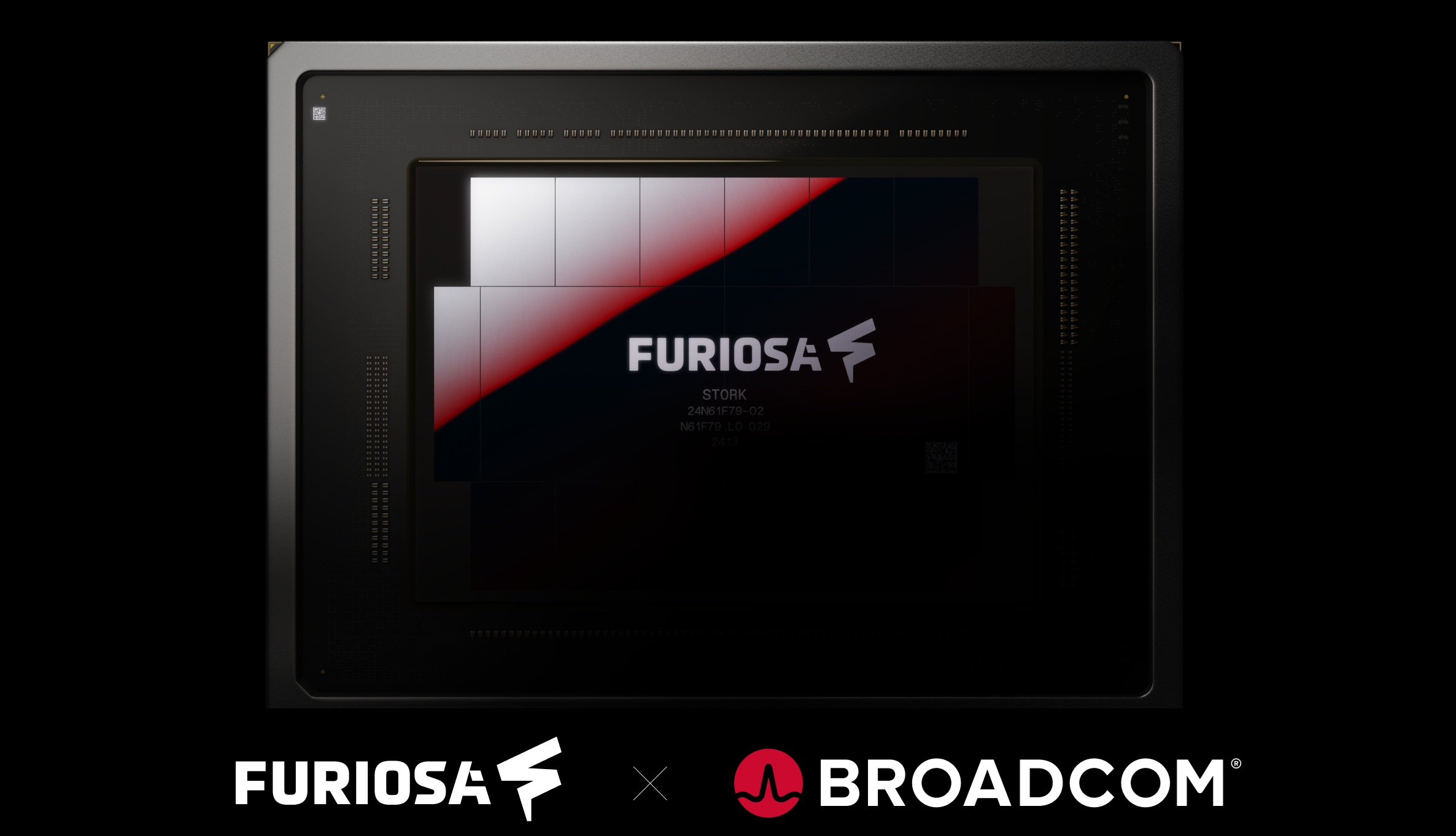
FuriosaAI is preparing a major expansion of its artificial intelligence accelerator business, with production of its second generation RNGD chip reportedly set to more than double in 2027. The South Korean semiconductor startup is also developing its third generation platform, reportedly codenamed Stork, which will combine 2nm compute technology, HBM4 or HBM4E memory, advanced packaging, and Broadcom networking technology to target the rapidly growing market for large scale AI inference.
According to an ETNews report, FuriosaAI plans to produce between 40,000 and 50,000 RNGD accelerators in 2027, compared with approximately 20,000 units expected during 2026. The increase reflects growing demand for inference infrastructure as agentic AI systems generate larger volumes of continuous model requests and data centers place greater emphasis on performance per watt, token throughput, and total operating cost.
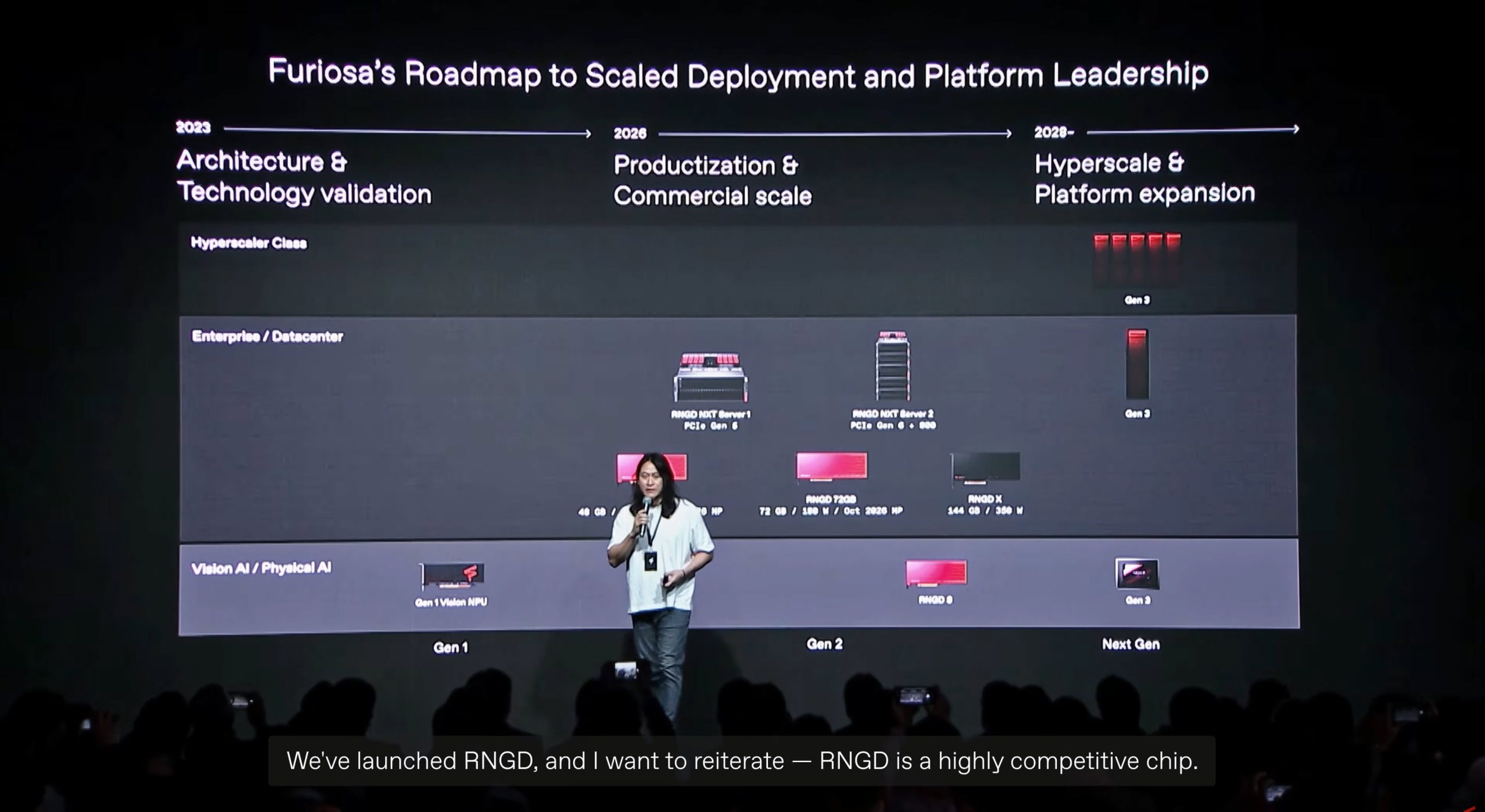
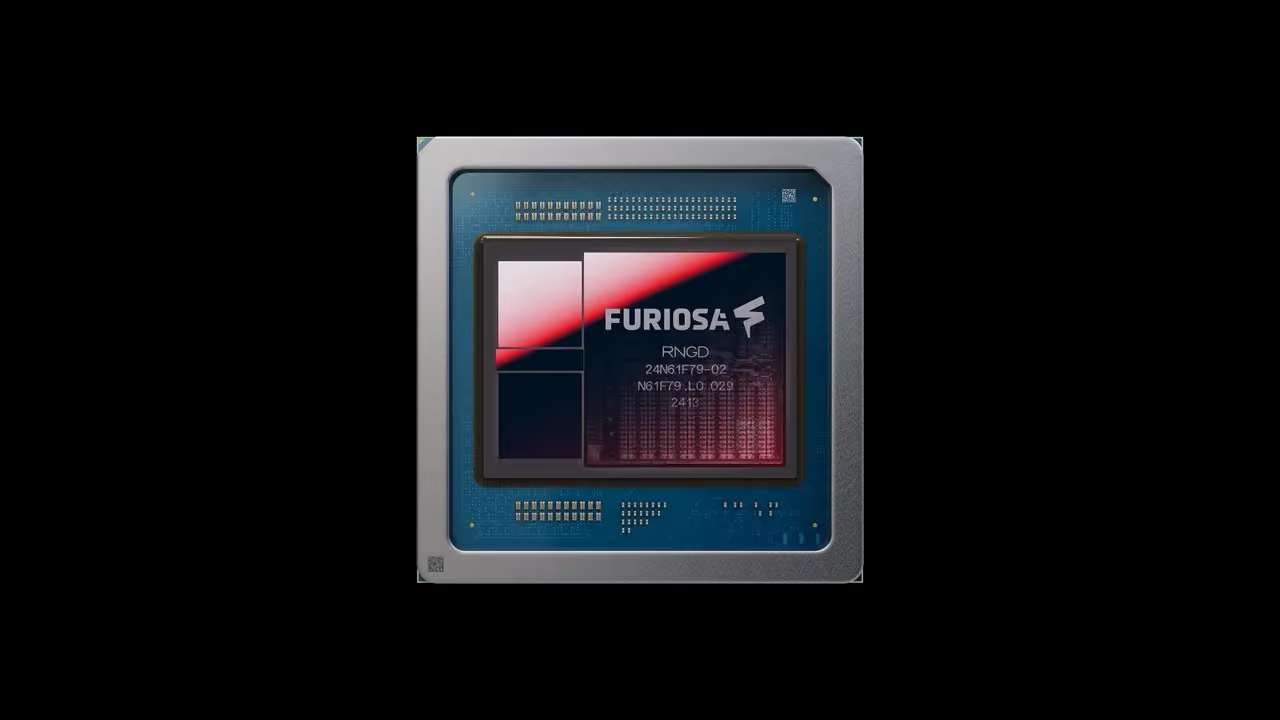
RNGD, also known as Renegade, is currently in mass production using TSMC’s 5nm process. The 180W PCIe accelerator is purpose built for large language model and agentic AI inference through FuriosaAI’s Tensor Contraction Processor architecture. The company says RNGD has completed production evaluations with Samsung SDS and LG AI Research, with deployments planned across enterprise services and subscription cloud infrastructure. LG AI Research previously reported that RNGD delivered 2.25 times better large language model inference performance per watt than the GPU based platform used in its evaluation.
FuriosaAI’s next major step is its third generation accelerator platform, identified as Stork by Korean industry reports. The design will feature a 2nm compute die, dedicated input and output silicon, and HBM4 or HBM4E memory. Broadcom will provide advanced packaging capabilities alongside Ethernet, PCIe, scale up networking, and fabric technologies designed to connect hundreds of accelerators across rack scale systems. FuriosaAI has not officially identified which foundry will manufacture the 2nm compute dies, although industry reports have suggested TSMC as a possible production partner.
The Stork architecture is being developed around high bandwidth data movement rather than the extensive thread management associated with conventional graphics processors. FuriosaAI claims this approach will provide industry leading performance per watt and greater token density for demanding workloads such as agentic AI, post training sampling, and Mixture of Experts model routing. These claims remain unverified because working silicon and independent benchmarks are not yet available.
Early platform imagery appears to show 2 large compute chiplets, 2 input and output dies, and 12 positions for HBM4 or HBM4E memory. A theoretical configuration using 12 high, 36GB memory stacks could provide as much as 432GB, although FuriosaAI has not confirmed the final memory capacity, stack configuration, bandwidth, power consumption, or compute performance.
The software platform will remain a critical part of FuriosaAI’s attempt to compete with NVIDIA. Its SDK uses a general compiler that automatically maps PyTorch workloads to the company’s silicon, while its Virtual ISA provides developers with lower level hardware control without requiring the same programming model used by traditional GPUs. FuriosaAI argues that this allows new models and optimizations to be deployed within days rather than months.
"Bringing together Broadcom’s infrastructure capabilities and Furiosa’s Tensor Contraction Processor architecture and its industry defining software stack allows us to move beyond the chip level and deliver a comprehensive solution for the token factory era
— June Paik, FuriosaAI Cofounder and CEO”
Stork is scheduled to begin sampling during the first half of 2028. Until then, RNGD production growth will determine whether FuriosaAI can convert technical efficiency claims into meaningful commercial scale. Expanding from 20,000 accelerators to as many as 50,000 units would remain small compared with NVIDIA’s global shipment volume, but it could establish FuriosaAI as a credible alternative for organizations focused specifically on efficient inference rather than general purpose GPU computing.

FuriosaAI is not positioned to break NVIDIA’s market dominance through production volume alone, but it does not need to replace NVIDIA across every AI workload to become relevant. The company is targeting a narrower opportunity where power consumption, token density, memory bandwidth, and predictable inference costs can matter more than maximum general purpose performance.
The more significant test will arrive when Stork silicon becomes available and FuriosaAI’s efficiency claims can be compared directly with the NVIDIA, AMD, and custom accelerator platforms available in 2028. Broadcom gives the project access to advanced packaging and networking technology, but execution across silicon, software, memory supply, manufacturing yield, and customer deployment will ultimately determine whether Stork can become a serious inference platform.
Can dedicated inference accelerators such as FuriosaAI Stork challenge NVIDIA in AI data centers, or will software support remain the decisive barrier?
