
Samsung Reportedly Clears HBM4 Verification and Lines Up Early Placement in NVIDIA Vera Rubin, With Supply Timing as Soon as June
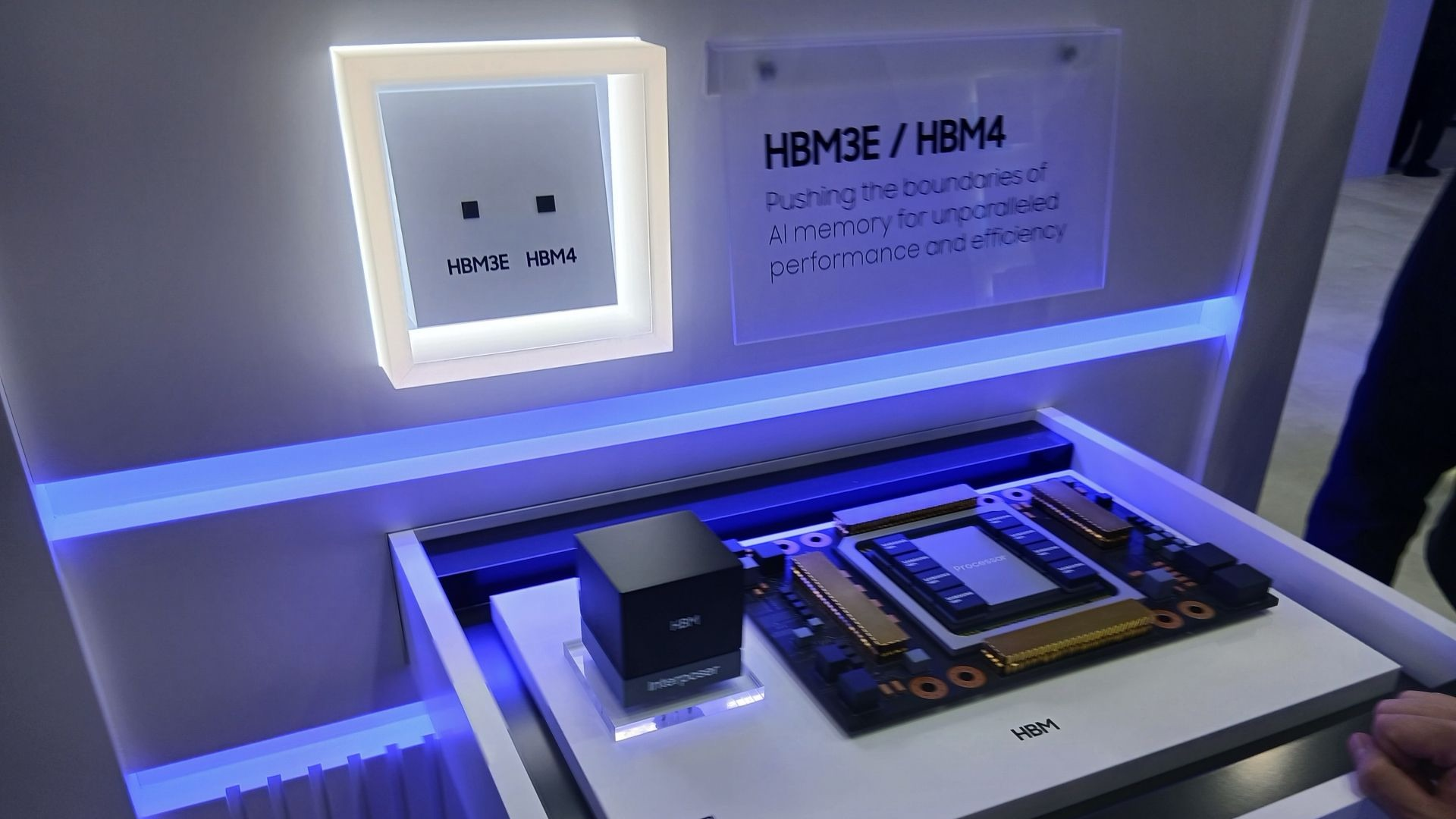
Samsung is rumored to have reached a major inflection point in its high bandwidth memory roadmap, with new reporting out of Korea claiming the company has passed all verification stages for its HBM4 and is now positioned to be among the first suppliers featured in NVIDIA’s Vera Rubin AI lineup. The report suggests this is not a lab only milestone either, as customer facing momentum is now tied to a near term supply timeline that could begin as soon as June 2026, depending on platform ramp and allocation.
According to Korean media, Samsung’s HBM4 has reportedly cleared the full qualification process and is being prioritized for Vera Rubin adoption, with supply expected to begin next month and formal deployment potentially appearing in June. SBS Biz, frames Samsung’s turnaround as especially notable after prior reports across recent quarters that suggested Samsung had struggled to secure leading edge HBM design wins at NVIDIA.
The technical headline in the reporting is performance. Samsung’s HBM4 is described as targeting pin speeds above 11 Gbps, exceeding baseline expectations tied to standards compliance, and aligning with what NVIDIA and other major AI customers are said to be demanding for next wave training and inference nodes. In the current AI market, memory bandwidth is no longer a supporting spec, it is a gating factor for utilization, scaling, and total cost efficiency, especially as models become more agentic and memory hungry at both training and deployment.
Samsung’s packaging strategy is also being framed as a differentiator. The reports point to a logic base die produced on a 4nm process from Samsung’s own foundry, which could give the company tighter vertical control over scheduling and delivery compared with competitors that rely on external foundry partners for logic die sourcing. In an environment where GPU vendors are compressing platform cadence and pushing aggressive ramp timelines, supply chain control is becoming a competitive feature, not just an operations footnote.
Timing wise, the report indicates Rubin related customer shipments are discussed around August 2026, with broader visibility expected at GTC 2026 where Rubin systems are expected to be showcased heavily and the HBM4 story will likely get more public detail. If this plays out, Samsung would be turning HBM4 into a credibility reset at exactly the moment hyperscalers and AI platform buyers are locking in multi quarter procurement plans.
For the broader PC and gaming ecosystem, this matters even if HBM4 never touches consumer graphics cards directly. When AI accelerators pull advanced memory capacity and packaging bandwidth into long term allocation, it tends to ripple into the wider memory market through pricing, equipment capacity, and component prioritization. We have already seen how memory constraints can cascade into everything from GPU availability to system pricing dynamics, and HBM4 entering full production scale is another major lever in that equation.
Do you think Samsung winning early HBM4 placement in Vera Rubin is the start of a real market share shift away from SK hynix, or is this more about risk diversification and second sourcing for NVIDIA than a true lead change?
