
Samsung Locks AI Memory Demand Into 5 Year Supply Agreements
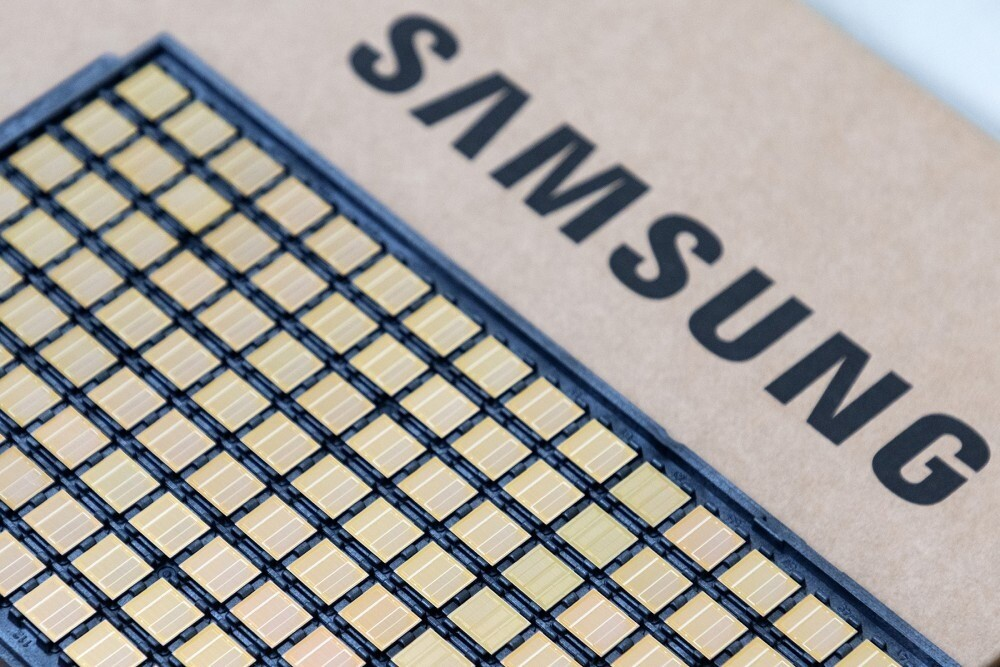
Samsung Electronics has reportedly signed 5 year memory supply agreements with 5 major global data center customers as artificial intelligence infrastructure demand continues absorbing DRAM and NAND production. The company is also said to be completing negotiations with another 5 customers, potentially placing most of its memory output under longer and more predictable commercial commitments. the agreements could protect Samsung from sudden demand declines while guaranteeing customers access during an increasingly severe memory shortage.
The contracts reportedly cover approximately 60% to 70% of Samsung’s total DRAM and NAND production capacity. Some agreements include advance payments, minimum pricing conditions, and annual negotiations that could extend the original 5 year term by another year. This structure gives Samsung greater visibility when planning production investments because a large portion of its future capacity is already supported by contracted demand and predefined pricing conditions.
| Agreement Detail | Reported Terms |
|---|---|
| Confirmed Customers | 5 global data center companies |
| Additional Negotiations | 5 customers in final discussions |
| Contract Duration | 5 years |
| Possible Extension | 1 additional year through annual negotiations |
| Production Covered | Approximately 60% to 70% of DRAM and NAND capacity |
| Commercial Protections | Advance payments and minimum pricing conditions |
Samsung’s strategy addresses one of the memory industry’s most persistent risks. DRAM and NAND manufacturers traditionally operate within a highly cyclical market where capacity expansion can create oversupply, collapsing prices and forcing suppliers to sell products below sustainable margins. Samsung experienced this pressure during previous memory downturns, when weaker consumer demand and excessive inventory caused substantial semiconductor losses.
Long term agreements change that operating model by transferring part of the market risk to large artificial intelligence customers. Data center operators gain guaranteed access to memory capacity, while Samsung receives stronger demand visibility and greater protection against unsold production. The model could also allow the company to prioritize expensive manufacturing investments with more confidence because future revenue is partially secured before new capacity becomes available.
The agreements arrive after Samsung reported record financial results for Q2 2026. The company generated KRW 171.5 trillion in consolidated revenue and KRW 89.5 trillion in operating profit, supported by strong artificial intelligence server demand, higher memory pricing, and growing sales of advanced DRAM and HBM products. Samsung also expects memory supply pressure to continue through 2028 as artificial intelligence infrastructure expands faster than manufacturers can add production capacity.
The company has also strengthened its broader artificial intelligence strategy through a major semiconductor partnership with Broadcom, covering advanced memory, foundry manufacturing, and future artificial intelligence accelerators. These commitments show how Samsung can combine DRAM, NAND, HBM, advanced process technologies, and packaging services into larger supply agreements that extend beyond individual memory products.
However, reserving up to 70% of production through long term contracts could further reduce flexibility for smaller customers, consumer hardware manufacturers, and independent memory module companies. Samsung’s DRAM output was already expected to increase by only approximately 5% during 2026, while artificial intelligence companies continue requesting substantially more capacity. This imbalance could maintain higher DDR5 and SSD pricing even if Samsung increases manufacturing output. Previous market analysis has already indicated that limited production growth may struggle to provide meaningful relief for the consumer market.
The concentration of memory capacity among a small number of hyperscale customers could also attract additional regulatory attention. Samsung, SK hynix, and Micron are already facing a United States lawsuit alleging coordinated DRAM supply restrictions, although the allegations remain unproven. Long term supply contracts are normal commercial tools, but their scale could become controversial if smaller buyers experience persistent shortages while major artificial intelligence companies control most available production.
Samsung’s 5 year agreements represent a major structural change for the memory industry. Instead of expanding production and hoping demand remains strong, the company can secure customers, pricing, and advance payments before committing additional capital. This should reduce exposure to traditional boom and collapse cycles while giving Samsung a stronger financial foundation for HBM, DRAM, NAND, and fabrication investments.
The advantage for Samsung could become a disadvantage for the broader hardware market. When 60% to 70% of production is committed to the largest artificial intelligence customers, smaller system builders, memory brands, smartphone manufacturers, and PC users must compete for the remaining supply. These contracts may stabilize Samsung’s profits, but they could also make elevated memory pricing a longer term feature of the technology market rather than a temporary shortage.
Will long term artificial intelligence supply agreements stabilize the memory market, or will they make DRAM and SSD products more expensive for consumers?
