
Samsung Expands 2nm Production in Texas, Targeting 20,000 Wafers Monthly by 2027
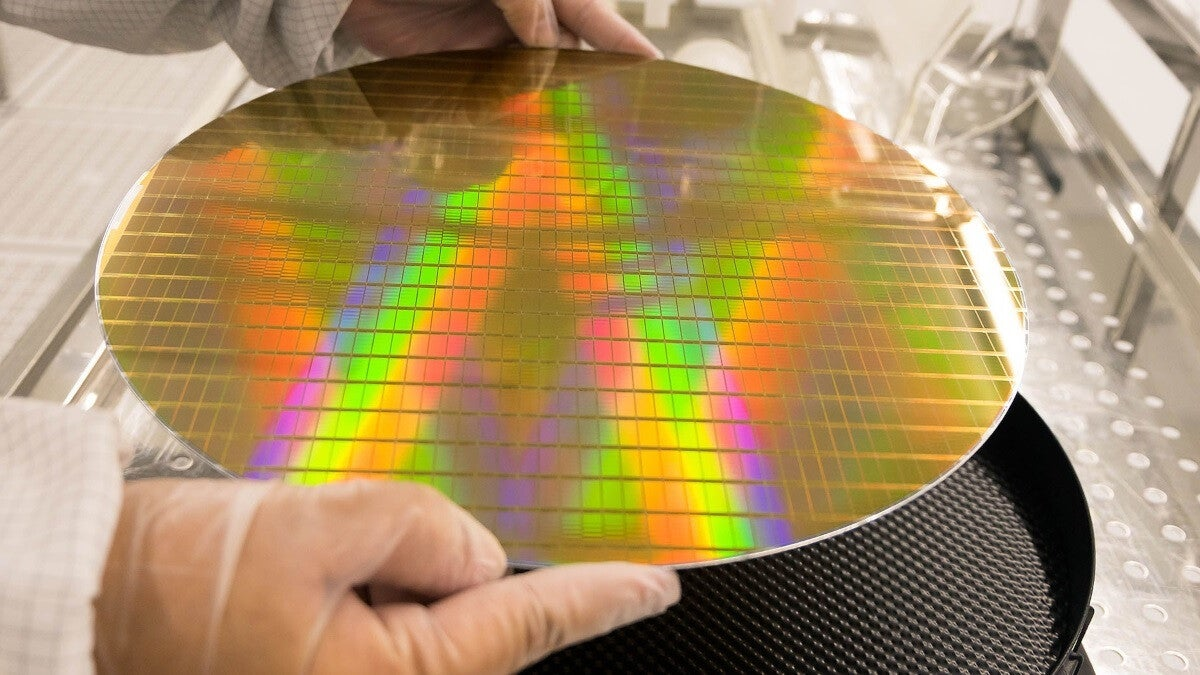
Samsung Electronics is reportedly accelerating its advanced semiconductor manufacturing expansion in the United States, placing additional equipment orders for its Taylor, Texas facility that could bring its 2nm production capacity to 20,000 wafers per month by the second half of 2027. The investment represents another step in Samsung's efforts to challenge TSMC in advanced chip manufacturing while establishing a stronger domestic production base for AI processors and high performance computing.
According to ZDNet Korea, Samsung recently ordered manufacturing equipment capable of processing an additional 6,000 2nm wafers per month at Taylor Fab 1. The expansion builds upon earlier investments covering approximately 10,000 monthly wafers, with the facility's existing pilot production infrastructure contributing toward its reported maximum design capacity.
Samsung Taylor Fab 1 Production Roadmap
| Manufacturing Milestone | Capacity / Timeline |
|---|---|
| Previously Ordered Equipment | 10,000 wafers per month |
| Additional Equipment Orders | 6,000 wafers per month |
| Pilot Production Infrastructure | Included in total capacity |
| Target Capacity | 20,000 wafers per month |
| Initial Factory Operations | Late 2026 |
| Target Capacity Readiness | Second half of 2027 |
| Taylor Fab 2 Target | 2030 |
Figures represent reported manufacturing equipment capacity rather than confirmed production output. Samsung has not officially confirmed the latest equipment order or the 20,000 wafer target.
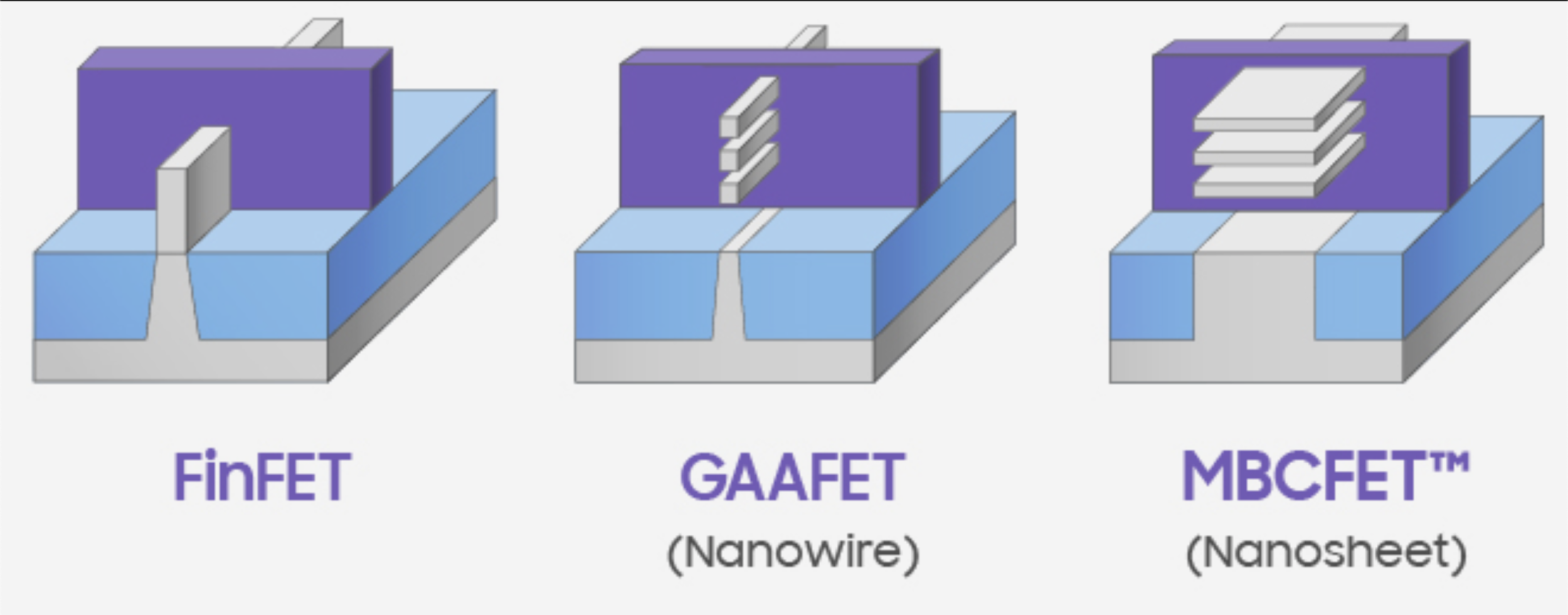
Samsung's Taylor facility is expected to begin initial operations before the end of 2026, with commercial production ramping throughout 2027. The factory will use advanced extreme ultraviolet lithography and Samsung's 2nm Gate All Around transistor technology, known as MBCFET, which improves electrostatic control and enables further improvements in power efficiency and transistor density. The company is also maintaining its strategy of reserving High NA EUV for future 1nm manufacturing.
The expansion is especially important as semiconductor manufacturers compete to secure customers developing AI accelerators, automotive processors and next generation computing platforms. Tesla is already among Samsung's major foundry customers through a $16.5 billion semiconductor agreement, while AMD has reportedly explored Samsung's 2nm manufacturing capabilities as an additional source of advanced wafer capacity.
Samsung also plans to begin construction of Taylor Fab 2 before the end of 2026, targeting operations in 2030. The broader Texas expansion forms part of an investment program exceeding $37 billion, supported by up to $4.745 billion in US CHIPS Act funding.
However, increasing installed equipment capacity does not automatically guarantee equivalent production output. Samsung must still achieve competitive manufacturing yields, stable production quality and sufficient customer demand before fully utilizing the facility. These factors will determine whether Taylor becomes a meaningful alternative to TSMC's advanced manufacturing operations.
Samsung's latest equipment investment demonstrates its commitment to becoming a stronger competitor in the global foundry market. Establishing advanced 2nm manufacturing capacity in the United States could offer customers greater geographic flexibility while reducing dependence on a single semiconductor supplier.
However, manufacturing capacity alone will not close the gap with TSMC. Samsung must demonstrate competitive yields, predictable delivery schedules and consistent performance to attract major AI and high performance computing customers. If Taylor Fab 1 successfully reaches its targeted capacity in 2027, it could become an important milestone for Samsung's foundry business and the expansion of advanced semiconductor manufacturing in the United States.
Do you think Samsung's 2nm expansion in Texas could make it a serious competitor to TSMC, or will manufacturing yields and established customer relationships remain the biggest obstacles?
