
The Witcher Remake Remains on Hold as Fan Mod Brings Modern Combat to the Original
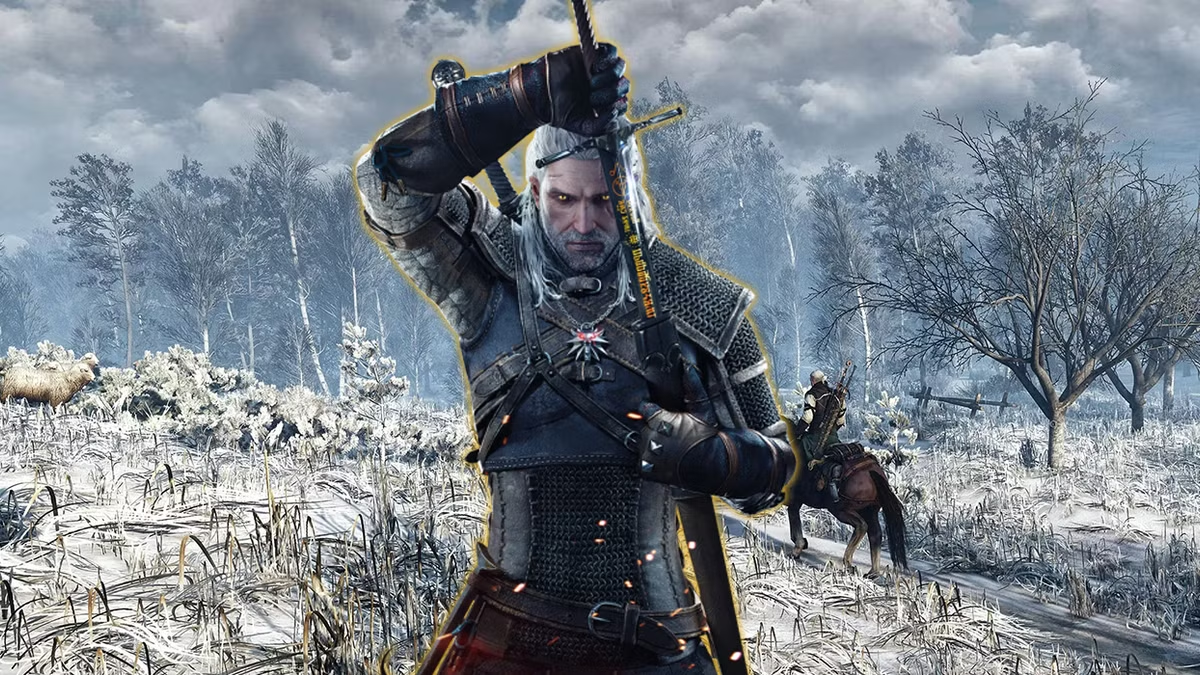
CD Projekt RED has temporarily paused development of The Witcher Remake as Fool's Theory prioritizes The Witcher 4 and the upcoming The Witcher 3: Songs of the Past expansion. Meanwhile, a community modder is working on an ambitious combat overhaul for the original 2007 RPG, introducing fighting animations and mechanics inspired by The Witcher 3: Wild Hunt.
The modification is being developed by Reddit user w4rlock999, who recently shared an early gameplay demonstration showing Geralt fighting enemies with noticeably faster and more fluid sword movements. The project aims to modernize the original game's combat experience by incorporating elements resembling The Witcher 3's action focused fighting system. Although the footage demonstrates promising progress, the developer confirmed that the mod remains unfinished and has not announced a release date.
Some mod
by u/w4rlock999 in witcher
The original Witcher used BioWare's Aurora Engine and featured an unusual combat system built around timed mouse clicks, attack sequences and 3 fighting styles designed for different enemy types. While the mechanics emphasized preparation and tactical decision making, their rhythm based execution has become one of the game's most divisive features. Introducing modern animations could make combat more accessible, although fully recreating The Witcher 3's mechanics would require additional adjustments to movement, enemy behavior and encounter balancing.
The Witcher Combat Modernization
| Feature | Original Witcher | Community Combat Mod |
|---|---|---|
| Combat System | Timed attacks | Witcher 3 inspired combat |
| Animations | Original 2007 animations | Modernized sword animations |
| Combat Flow | Rhythm focused | Faster, more fluid action |
| Status | Available | Work in progress |
The fan project arrives as The Witcher Remake continues waiting for technology developed alongside The Witcher 4. CD Projekt RED joint CEO Michał Nowakowski previously explained that the remake requires additional development time because of shared assets, tools and production pipelines. Fool's Theory is currently concentrating on Songs of the Past, scheduled for 2027, while a smaller portion of its team supports The Witcher 4.
Announced in October 2022, the official remake is being rebuilt from the ground up using Unreal Engine 5 under CD Projekt RED's creative supervision. Unlike the community modification, the remake is expected to fundamentally redesign the original experience, including its environments and outdated gameplay systems. However, no official gameplay footage or release date has been announced, and the project has not been canceled.
The community's effort to modernize The Witcher's combat demonstrates how modding can extend the lifespan of classic RPGs while preserving their original atmosphere and storytelling. Replacing the dated attack system with more responsive mechanics could make Geralt's first adventure significantly more approachable for players familiar with The Witcher 3.
However, combat animations alone will not solve every limitation of the original. Enemy AI, movement controls and encounter design were developed around a different combat philosophy. A successful overhaul needs to preserve that balance rather than simply importing modern mechanics.
With the official remake delayed by technical dependencies, community projects like this could provide an interesting alternative for fans wanting to revisit Vizima.
Would you replay the original Witcher with modern combat mechanics, or would you rather wait for the complete Unreal Engine 5 remake?
