
AMD Reportedly Eyes Samsung 2nm as Backup Supply Path While TSMC Keeps the Lead for Venice
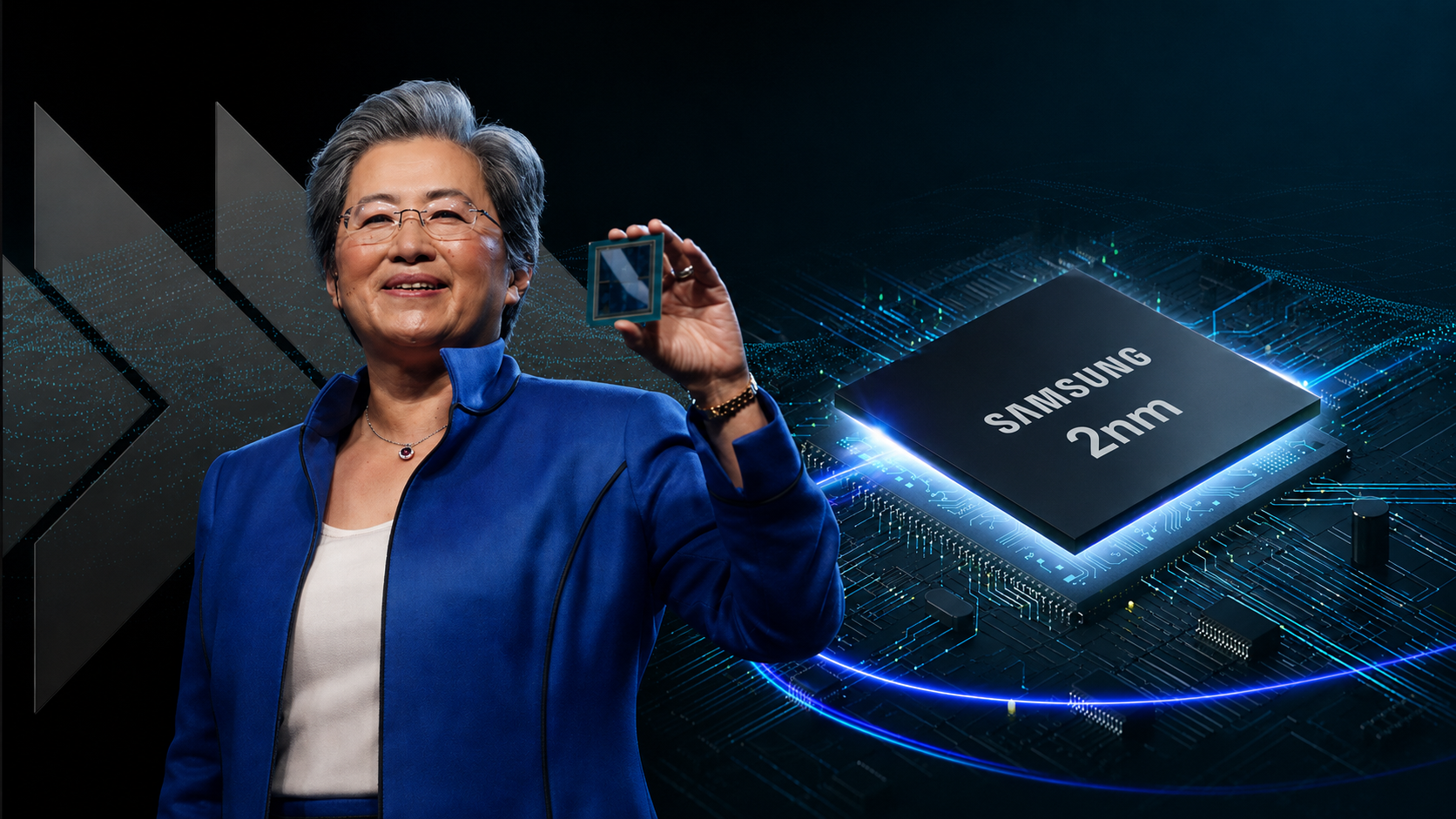
AMD may be preparing to widen its foundry options at the 2nm level, with a new report claiming the company is in advanced talks with Samsung Foundry as it looks for more long term wafer access during an increasingly tight AI supply cycle. The report, published by EDaily, says Samsung’s foundry division has recently advanced discussions with AMD around 2nm chip orders, with the talks reportedly gaining momentum after CEO Dr. Lisa Su visited Samsung’s Pyeongtaek site in March. At this stage, though, it is important to be precise: this is still reported by a single outlet and neither AMD nor Samsung has publicly confirmed a manufacturing agreement.
What is confirmed is that AMD is under real supply pressure as AI demand accelerates. In its latest quarterly results, AMD said inferencing and agentic AI are driving increasing demand for high performance CPUs and accelerators, and Lisa Su specifically said the company expects server growth to accelerate as it scales supply to meet demand. That makes the timing of the Samsung report credible in strategic terms, even if the specific deal details remain unconfirmed.
The other confirmed piece is that TSMC is still central to AMD’s 2nm roadmap. AMD officially announced in 2025 that its next generation EPYC Venice CPU is the first HPC product brought up on TSMC’s N2 process, and TSMC says its N2 technology entered volume production in the fourth quarter of 2025. So any Samsung role, if it materializes, would not erase TSMC’s lead position in AMD’s 2nm transition. It would more likely serve as an added source of capacity or a selective second supplier for future programs. That last point is an inference based on AMD’s official Venice milestone and the unconfirmed nature of the Samsung talks.
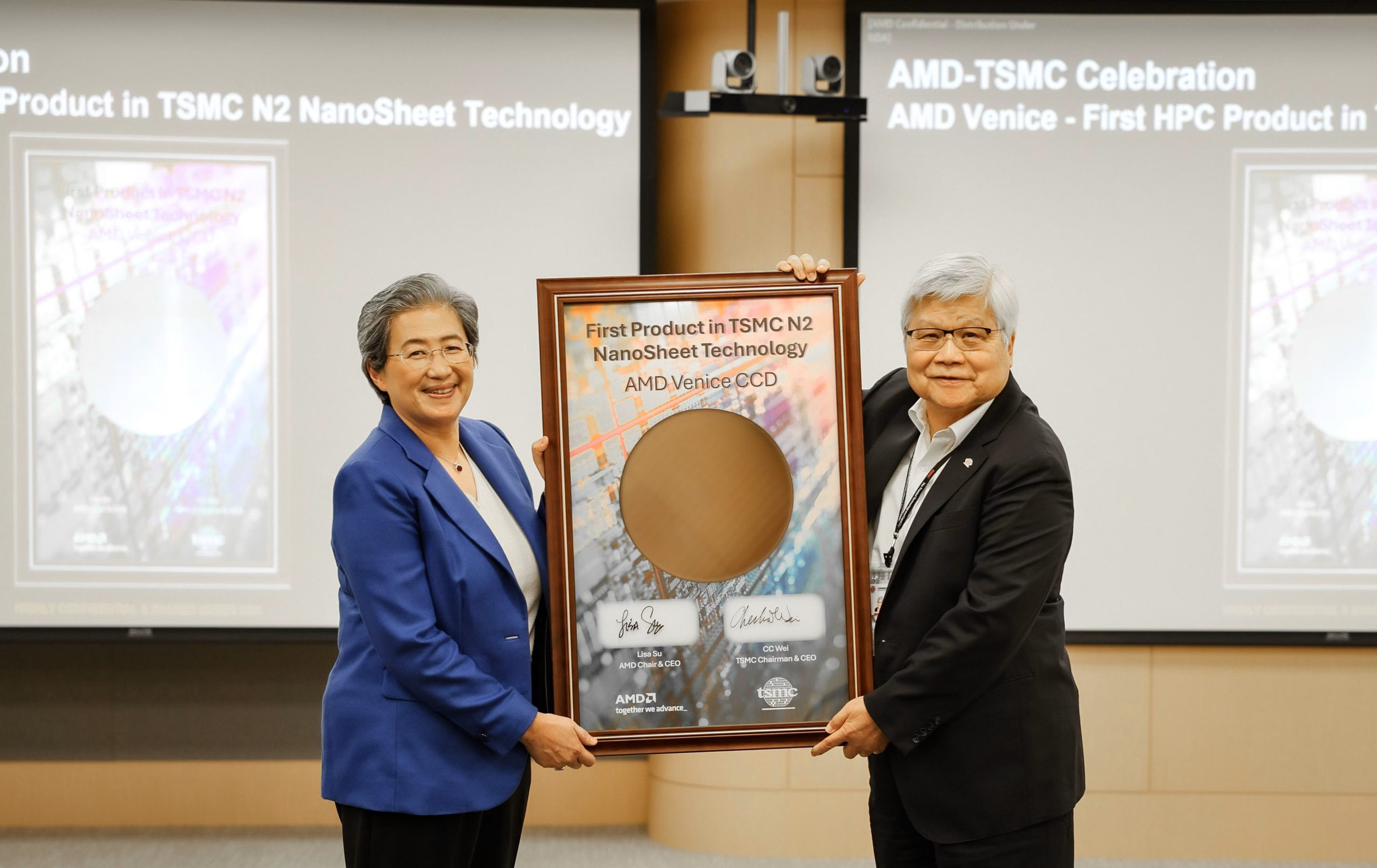
That also means some of the stronger claims around which specific AMD products would move to Samsung should be treated carefully. Venice is officially tied to TSMC N2, and AMD has not publicly said that Samsung would manufacture Venice, Verano, or any named AI accelerator. The article framing around Samsung producing next generation AMD AI CPUs and accelerators goes beyond what AMD itself has confirmed so far. Right now, the more responsible reading is that AMD may be exploring Samsung as a supplementary 2nm source while TSMC remains the main anchor for known next generation products.
There is a practical reason AMD would want that optionality. TSMC’s most advanced nodes are in extremely high demand, and the wider market is already treating leading edge wafer access as one of the biggest bottlenecks in AI infrastructure expansion. Samsung, despite still facing questions around 2nm yield maturity compared with TSMC, is increasingly being discussed as a possible second source for customers that need more advanced capacity. Reports from DigiTimes and TrendForce in April said Samsung’s 2nm yields were still below the level generally associated with stable mass production, while TSMC was reported to be ahead on maturity.
That is what makes this potential AMD move so interesting. It is less about replacing TSMC and more about risk management. As AI demand explodes, major chip designers can no longer afford to rely too narrowly on a single advanced manufacturing path, especially when packaging, wafer supply, and memory are all under pressure at the same time. AMD’s recent earnings and guidance make it clear that the company sees years of strong AI infrastructure demand ahead, so broadening foundry conversations now would be a logical move. This final point is an inference based on AMD’s official comments about accelerating AI demand and the reported Samsung talks.
For now, the cleanest conclusion is this: AMD’s relationship with TSMC at 2nm is confirmed, Samsung talks are reported but not officially confirmed, and the broader message is that AI demand is pushing even top tier chip firms to look harder at every possible source of advanced capacity. If Samsung does secure AMD business at 2nm, it would be one of the clearest signs yet that the AI supply race is forcing meaningful diversification across the foundry landscape.
Do you think AMD should actively split more advanced production across multiple foundries, or is TSMC still too far ahead to seriously diversify away from?
